

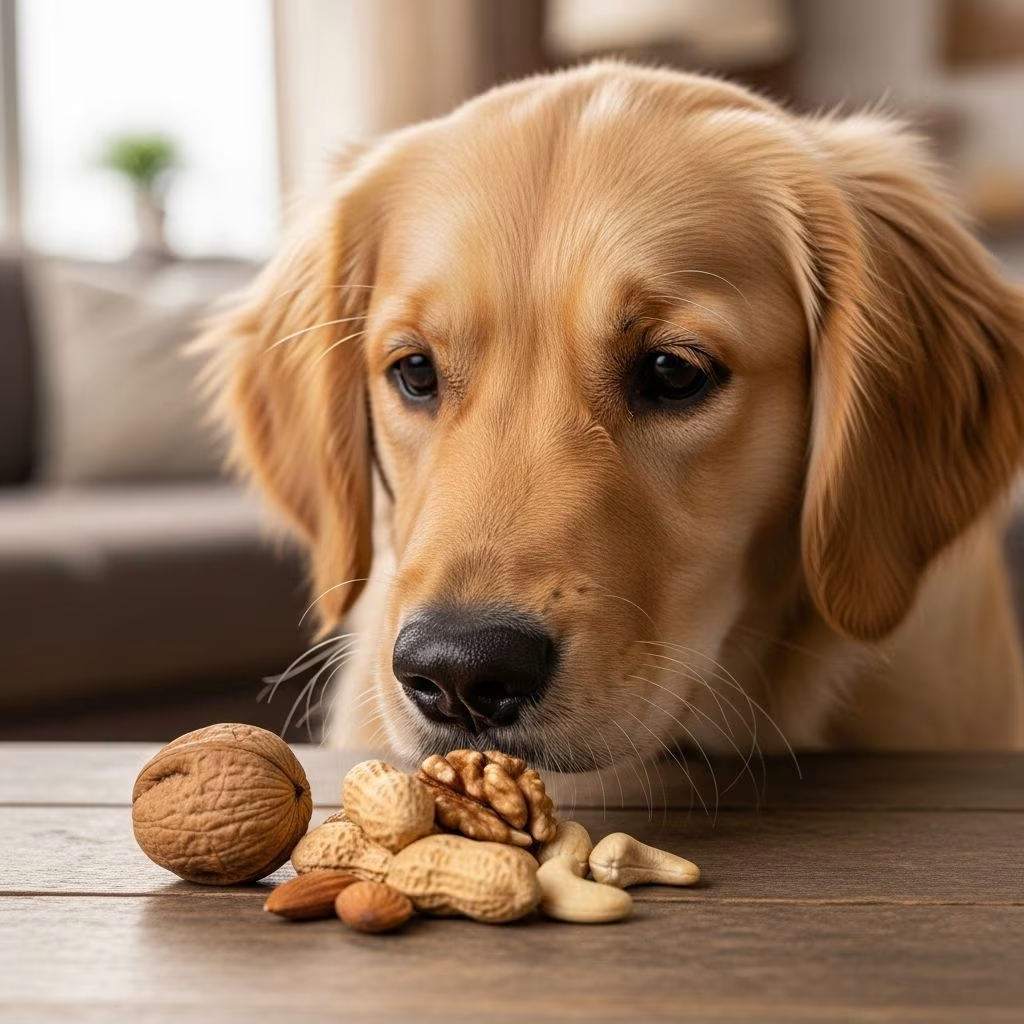
Nuts offer humans a convenient, nutrient-packed snack, but for dogs, they present a mixed picture of potential benefits and serious risks. While some varieties can be shared sparingly, others are outright dangerous due to toxicity, high fat levels, or physical hazards like choking. Understanding these distinctions helps pet owners make informed choices to keep their canine companions healthy.
Nutritional Profile of Nuts and Dog Physiology
Dogs have digestive systems optimized for meat-based proteins rather than the plant-derived fats prevalent in nuts. Nuts are calorie-dense, with many containing over 500 calories per 100 grams, primarily from fats that can overwhelm a dog’s pancreas if overconsumed. Essential nutrients like vitamin E, healthy fats, and minerals such as magnesium exist in nuts, but dogs obtain these more efficiently from balanced commercial diets formulated for their needs.
High fat intake risks acute pancreatitis, an inflammation causing vomiting, diarrhea, and severe pain. Chronic exposure contributes to obesity, diabetes, and heart strain. Veterinary experts emphasize moderation, noting even safe nuts should not exceed 10% of daily caloric intake to avoid these issues.
Safe Nuts for Occasional Treats
A few nuts stand out as low-risk options when prepared correctly—plain, unsalted, unshelled, and given in tiny amounts.
- Peanuts: Technically legumes, these are the safest and most tolerated. Rich in protein, biotin, niacin, and vitamin E, they support skin, coat, and digestion when dry-roasted or raw. Limit to a few per day for small dogs.
- Cashews: Non-toxic in minimal quantities, providing some copper and magnesium. Their high fat (around 44%) demands strict portion control to prevent digestive upset.
- Pine Nuts: Offer vitamin K and antioxidants. Feed occasionally, shelled and plain, as their fat content still poses risks if frequent.
Always verify no additives like xylitol in peanut butter, a common hidden toxin. For example, a teaspoon of safe peanut butter can delight without harm, but flavored versions spell trouble.
Dangerous and Toxic Nuts to Avoid
Many nuts carry toxins, molds, or excessive fats making them unsuitable for dogs. Here’s a breakdown:
| Nut Type | Risk Level | Primary Concerns | Symptoms if Ingested |
|---|---|---|---|
| Macadamia | Highly Toxic | Unknown toxin causes neurological effects | Weakness, tremors, vomiting, fever, hind leg paralysis |
| Walnuts | High Risk | Mold (mycotoxins), high fat, choking hazard | Seizures, tremors, pancreatitis, GI upset |
| Pecans | High Risk | Mold toxins, fats | GI issues, tremors |
| Almonds | Moderate Risk | Choking, fats, potential mold | Vomiting, diarrhea |
| Brazil Nuts | Moderate-High Risk | Extreme fat content, size | Pancreatitis, choking, blockage |
| Pistachios | High Risk | Fats, shells, aflatoxins from mold | Stomach upset, pancreatitis |
| Beech Nuts | Moderate Risk | Saponins, tannins | GI distress |
Macadamia nuts top the danger list; even six can induce symptoms within 12 hours, requiring immediate veterinary care. Walnuts and pecans often harbor tremorgenic mycotoxins from mold, leading to seizures.
Preparation and Feeding Guidelines
To minimize risks with safe nuts:
- Choose raw or dry-roasted, unsalted varieties without seasonings, chocolate, or xylitol.
- Remove all shells to prevent choking or intestinal blockages.
- Chop into small pieces, especially for toy breeds.
- Inspect for mold, rancidity, or off odors.
- Start with one nut to test for allergies, which manifest as itching, swelling, or vomiting.
Portion by dog size: one peanut for small breeds, 2-3 for large ones, no more than twice weekly. Overfeeding ignores the 600+ calorie density, promoting weight gain.
Health Risks Beyond Toxicity
Even non-toxic nuts burden dogs due to:
- Pancreatitis: Fat triggers enzyme leakage, inflaming the pancreas. Symptoms include lethargy and abdominal pain; severe cases need hospitalization.
- Obesity: Extra calories from fats lead to joint issues and diabetes.
- Allergies: Rare but possible, causing hives or anaphylaxis.
- Salt Toxicity: Flavored nuts disrupt electrolytes, causing thirst, seizures.
- Choking/Blockages: Hard shells or whole nuts obstruct airways or intestines.
Monitor post-treat; contact a vet if any distress appears.
Healthier Alternatives to Nuts
Opt for dog-specific treats mimicking nut benefits without risks:
- Commercial peanut butter treats (xylitol-free).
- Vegetables like carrots or green beans for crunch and fiber.
- Lean meats or fish for protein.
- Fruits such as blueberries for antioxidants.
These align better with canine nutrition, avoiding fat overload.
Emergency Response if Dog Eats Unsafe Nuts
If ingestion occurs:
- Identify the nut type and amount.
- Note symptoms onset.
- Call a vet or pet poison hotline immediately—do not induce vomiting without guidance.
- Provide water; withhold food.
For macadamia exposure, IV fluids and monitoring may be needed. Prevention trumps cure.
FAQs
Can dogs have peanut butter?
Yes, if xylitol-free and given sparingly. It’s a popular training treat.
Are trail mixes safe?
No—often contain toxic raisins, chocolate, or salted nuts.
How much is too much?
Depends on size; err under 10% daily calories to avoid fat-related issues.
What if my dog ate one macadamia?
Monitor closely; seek vet care for symptoms like weakness.
Can puppies eat nuts?
Avoid entirely; their systems are more sensitive[generalized from sources].
Conclusion
While peanuts, cashews, and pine nuts can be occasional delights, most nuts pose unnecessary risks for dogs. Prioritize their long-term health with vet-approved diets over human snacks. When in doubt, skip the nuts.
References
- Can dogs eat Nuts? — Pooch & Mutt. 2023. https://www.poochandmutt.co.uk/blogs/can-dogs-eat/can-dogs-eat-nuts
- Can Dogs Eat Nuts? A Guide to Safety — Purina. 2024. https://www.purina.com/articles/dog/feeding/can-dogs-eat/nuts
- Is it safe for dogs to eat nuts? — Onlyfresh. 2023. https://onlyfresh.com/en/blogs/news/es-seguro-para-los-perros-comer-frutos-secos
- Can Dogs Eat Nuts? — American Kennel Club (AKC). 2024. https://www.akc.org/expert-advice/nutrition/can-dogs-eat-nuts/
- Can Dogs Eat Nuts? A Guide to Safe Snacking — Pumpkin. 2024. https://www.pumpkin.care/post/can-dogs-eat-nuts
- Can Dogs Eat Nuts? — PetMD. 2024. https://www.petmd.com/dog/nutrition/can-dogs-eat-nuts



