

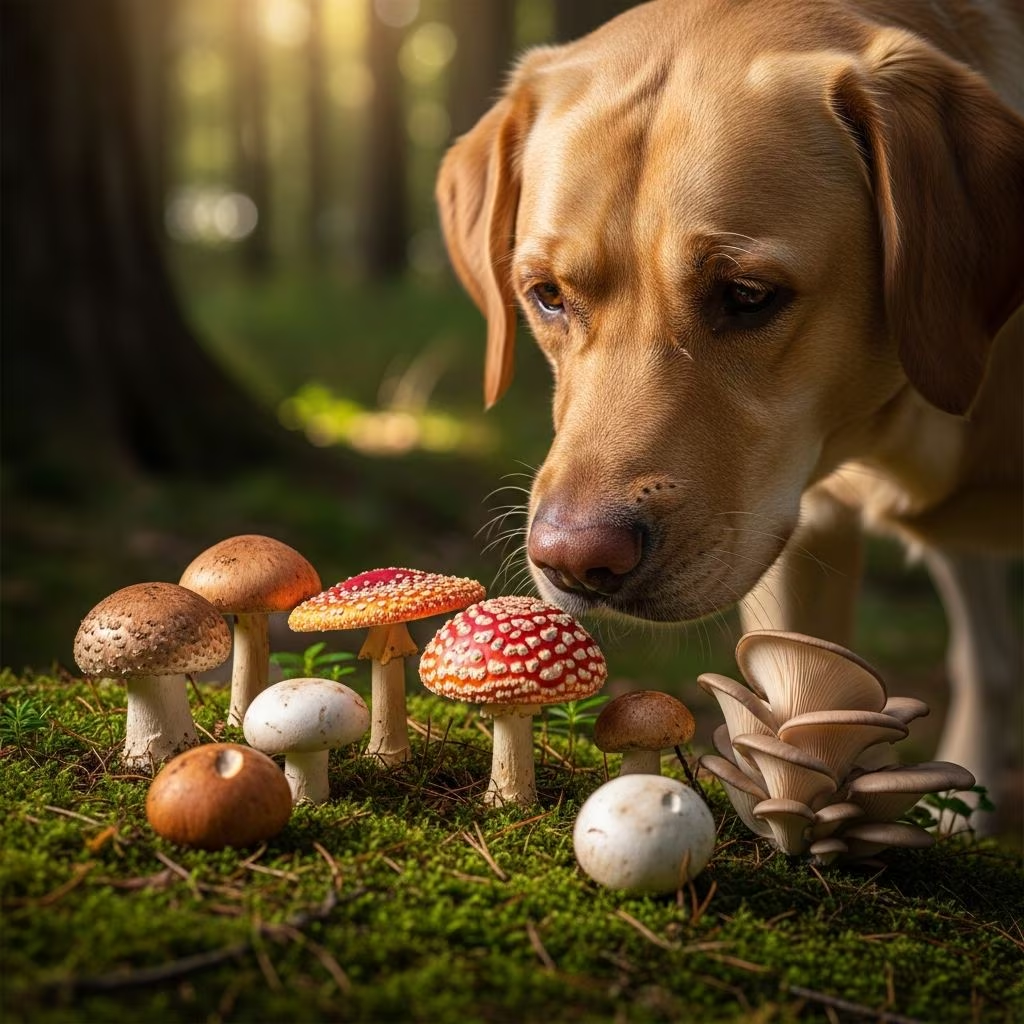
Mushrooms offer a unique flavor and nutritional profile for humans, but dog owners often wonder if they can share these fungi with their pets. The answer hinges on the type: commercially grown mushrooms from grocery stores are typically safe when prepared plainly, while wild mushrooms can be deadly. Understanding the differences helps pet owners make informed choices to protect their dogs’ health.
Understanding Mushrooms and Canine Digestion
Dogs have digestive systems adapted to process meat-based diets, but they can tolerate certain plant foods in small amounts. Mushrooms, as fungi rather than plants, provide fiber, antioxidants, and minerals like selenium and potassium. However, their tough cell walls make them harder for dogs to break down compared to humans, potentially leading to mild digestive upset if overfed. Veterinary experts recommend moderation to avoid issues like gas or loose stools.
Safe Mushroom Varieties for Your Dog
Stick to mushrooms cultivated for human consumption, available at supermarkets. These undergo strict growing and safety controls, minimizing toxin risks. Common safe options include:
- White button mushrooms: Mild flavor, low calorie, and rich in B vitamins.
- Crimini (brown mushrooms): Similar to white buttons but with more antioxidants.
- Portobello: Larger variety, good source of fiber when chopped small.
- Shiitake: Offers immune-supporting beta-glucans, but introduce slowly.
- Oyster mushrooms: Delicate texture, high in protein relative to other fungi.
- Maitake and porcini: Provide minerals like iron, suitable in tiny portions.
These can be a low-calorie treat, comprising no more than 10% of daily intake. Always wash thoroughly and chop into small pieces to prevent choking.
The Serious Risks of Wild Mushrooms
Wild mushrooms sprouting in yards, parks, or forests pose the greatest danger. Over 10,000 mushroom species exist in North America alone, and distinguishing safe from toxic ones requires expert mycological knowledge—even professionals struggle. Dogs, with their keen sense of smell, may be drawn to toxic varieties that emit appealing odors. Half a cap from a single death cap mushroom can kill an adult dog due to amatoxins that destroy liver cells.
| Toxic Mushroom | Toxins Involved | Primary Effects |
|---|---|---|
| Amanita phalloides (Death Cap) | Amatoxins | Liver and kidney failure, often fatal within days. |
| Amanita pantherina (Panther Cap) | Muscarine, ibotenic acid | Neurological symptoms, seizures, coma. |
| Inocybe species | Muscarine | Excessive salivation, vomiting, diarrhea, low blood pressure. |
| Clitocybe dealbata (Ivory Funnel) | Muscarine | Nervous system disruption, tremors. |
| Galerina marginata (Deadly Galerina) | Amatoxins | Similar to death cap: gastrointestinal then organ failure. |
These examples highlight why foraging or yard mushrooms should never be fed to dogs. Even non-toxic wild types can harbor bacteria or pesticides.
Recognizing Mushroom Poisoning Symptoms
Poisoning signs vary by toxin but often start within 30 minutes to 12 hours. Early detection is critical for survival. Watch for:
- Gastrointestinal phase: Vomiting, diarrhea (possibly bloody), abdominal pain, drooling.
- Neurological effects: Tremors, seizures, ataxia (wobbling), hallucinations-like behavior.
- Organ damage indicators: Jaundice, lethargy, increased thirst/urination, collapse.
- Other clues: Pale gums, rapid breathing, fishy breath odor from certain species.
If suspected, note the mushroom’s appearance, location, and time ingested. Do not induce vomiting without veterinary guidance, as some toxins worsen with this.
Immediate Actions if Your Dog Eats a Mushroom
Time is essential—contact a vet or pet poison hotline immediately, even if symptoms are absent. Provide details like breed, weight, and mushroom description. Treatment may involve:
- Activated charcoal to bind toxins.
- IV fluids for hydration and organ support.
- Anti-emetics for nausea.
- Specific antidotes if identified (rare for mushrooms).
- Blood tests to monitor liver/kidney function.
Prognosis improves with rapid intervention; delays can lead to irreversible damage or death.
Health Benefits and Nutritional Breakdown
Beyond safety, safe mushrooms offer modest perks. A 100g serving of white button mushrooms contains about 22 calories, 3g protein, 3g fiber, and key nutrients like riboflavin (20% DV), niacin, and selenium. For dogs, these support gut health via prebiotic fibers and provide antioxidants that may reduce inflammation. However, they lack the bioavailability seen in dog kibble or meats, so view them as occasional toppers, not staples. Studies on canine-specific benefits are limited, but general fungal research suggests potential immune boosts from polysaccharides in shiitake and maitake.
How to Prepare and Feed Mushrooms Safely
To maximize safety and appeal:
- Choose fresh, organic: Avoid wilted or moldy ones.
- Cook lightly: Sauté in minimal olive oil or steam to soften chitin; raw is harder to digest.
- Plain only: Skip salt, butter, garlic, onions—all toxic or harmful.
- Portion control: Start with 1-2 teaspoons for small dogs, up to 1/4 cup for large breeds, 1-2 times weekly.
- Monitor introduction: Watch for allergies like itching or ear infections.
Mix chopped mushrooms into kibble or as training treats for picky eaters.
Preventing Accidental Exposure
Proactive steps safeguard your dog:
- Mow lawns regularly to discourage growth.
- Use fungicides cautiously in yards; opt for pet-safe options.
- Leash during walks in wooded areas.
- Train “leave it” command.
- Remove yard mushrooms promptly, wearing gloves.
Educate family members and supervise outdoor time, especially post-rain when fungi thrive.
Common Myths About Dogs and Mushrooms
- Myth: Dogs avoid toxic smells. False—many toxins have enticing fishy scents.
- Myth: Cooking detoxifies wild ones. Incorrect; heat doesn’t neutralize amatoxins.
- Myth: All store mushrooms are equally beneficial. Vary portions by type; exotic ones like morels need vet approval.
Frequently Asked Questions
Can puppies eat mushrooms?
Puppies have sensitive digestion; wait until 6 months and offer tiny amounts of cooked white buttons only.
Are dried mushrooms safe?
Yes, if store-bought and rehydrated plainly, but fresh is preferable to avoid concentration risks.
What if my dog ate a wild mushroom but seems fine?
Some toxins delay 24-48 hours; seek vet care regardless.
Do mushrooms help with dog allergies?
Limited evidence; consult a vet for allergy management.
Can senior dogs have mushrooms?
Yes, in small amounts for fiber, but check for kidney issues first.
Final Thoughts on Incorporating Mushrooms
Mushrooms can add variety to a dog’s diet when limited to safe, prepared types. Prioritize commercial sources, observe reactions, and consult vets for personalized advice. This balanced approach ensures treats enhance, rather than endanger, your dog’s well-being.
References
- Can Dogs Eat Mushrooms? — American Kennel Club. 2023-10-15. https://www.akc.org/expert-advice/nutrition/can-dogs-eat-mushrooms/
- Can Dogs Eat Mushrooms? — PetMD. 2024-05-22. https://www.petmd.com/dog/nutrition/can-dogs-eat-mushrooms
- Can Dogs Eat Mushrooms? — ElleVet Sciences. 2024-08-10. https://www.ellevetsciences.com/blog/can-dogs-eat-mushrooms/
- Can Dogs Eat Mushrooms? — Taste of the Wild Pet Food. 2023-11-05. https://www.tasteofthewildpetfood.com/articles/can-my-dog-eat-that/mushrooms/
- Can Dogs Eat Mushrooms? Safe & Poisonous Guide — Purina UK. 2024-02-14. https://www.purina.co.uk/articles/dogs/feeding/what-dogs-eat/can-dogs-eat-mushrooms



