

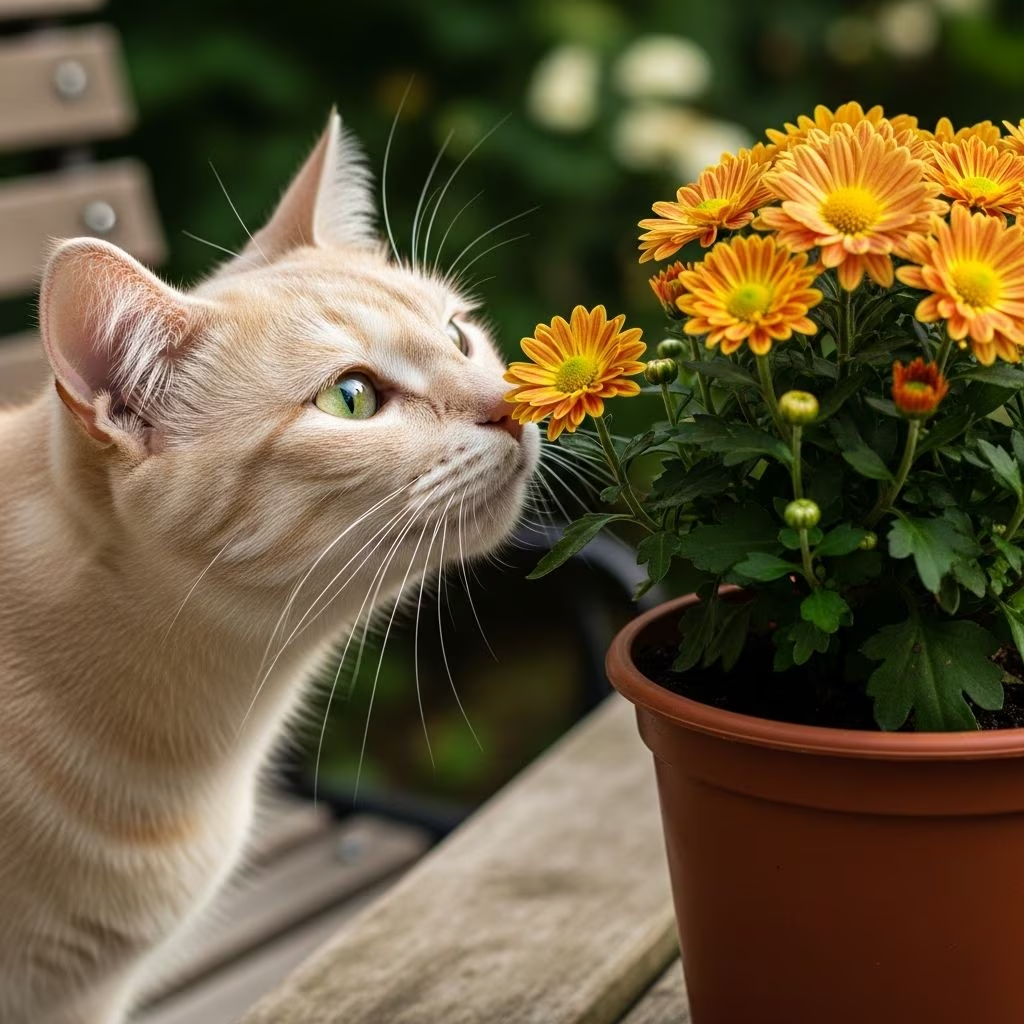
Chrysanthemums, commonly called mums, pose a notable risk to cats due to their toxic compounds that can trigger a range of health issues upon ingestion or contact. These popular fall flowers contain pyrethrins, sesquiterpene lactones, and essential oils that disrupt feline physiology, leading to symptoms from mild irritation to severe neurological distress.
Understanding the Appeal and Hidden Dangers of Mums
Mums brighten gardens and homes with their diverse colors and shapes, originating from East Asia and thriving in temperate climates. Cats, driven by curiosity or grooming instincts, often investigate these plants, unaware of the dangers lurking in their leaves, stems, and flowers. Even brief exposure to sap can cause problems, as cats lack certain liver enzymes to metabolize these substances effectively.
The toxicity stems from natural defenses in the plant. Pyrethrins act as insecticides, targeting insect nervous systems but overwhelming cats’ with hypersalivation and coordination loss. Sesquiterpene lactones irritate mucous membranes, while essential oils exacerbate oral discomfort. All parts of the plant are hazardous, making vigilance essential for multi-pet households.
Clinical Signs of Mum Exposure in Felines
Early detection of poisoning improves outcomes. Cats may exhibit immediate or delayed reactions depending on exposure amount and time elapsed. Common indicators include:
- Excessive drooling from oral irritation
- Frequent vomiting, sometimes with plant debris
- Loose stools or diarrhea
- Reduced interest in food
- Unsteady gait or ataxia
- Dermal redness or itching upon contact
- Overall weakness or lethargy
- Mood changes like depression
- Rare but severe: convulsions or tremors
These signs overlap with other toxicities, so documenting plant access aids diagnosis. Mild cases might resolve without intervention, but persistent symptoms demand professional evaluation.
Emergency Response and Veterinary Interventions
Act swiftly if exposure is suspected. Remove plant remnants from the mouth gently and rinse with water if contact dermatitis appears. Monitor for escalation and contact a vet or poison hotline promptly.
In clinic, vets conduct thorough assessments:
| Step | Description | Purpose |
|---|---|---|
| History and Exam | Review exposure details and vital signs | Assess severity |
| Decontamination | Induce emesis if recent; administer activated charcoal | Limit toxin absorption |
| Supportive Care | IV fluids, anti-emetics, skin treatments | Stabilize and relieve symptoms |
| Monitoring | Bloodwork, observation for complications | Prevent organ damage |
Severe instances may require hospitalization. Prognosis is favorable with early care, as most cats recover fully.
Why Cats Are Particularly Vulnerable
Felines process pyrethrins poorly due to deficient glucuronyl transferase, prolonging toxin effects compared to dogs or humans. Even trace amounts from flea products derived from these compounds can sicken cats, underscoring the plant’s peril. Indoor-outdoor cats face higher risks near gardens or discarded bouquets.
Creating a Toxin-Free Environment for Cats
Proactive measures safeguard pets:
- Select non-toxic flora for landscaping
- Elevate arrangements beyond jump reach
- Use hanging baskets for risky blooms
- Train with deterrents like citrus peels
- Supervise outdoor explorations
- Opt for pet grass or catnip
Garden redesigns benefit from cat-safe lists from bodies like ASPCA.
Safe Plant Alternatives for Cat Households
Replicate mum aesthetics safely:
| Plant | Benefits | Cat Safety |
|---|---|---|
| Spider Plant | Air-purifying, dangling foliage | Non-toxic, playful |
| Catnip | Aromatic, euphoric for cats | Encourages healthy nibbling |
| Boston Fern | Lush, shade-tolerant | Harmless to felines |
| Parlor Palm | Elegant, low-maintenance | Safe indoor option |
| Swedish Ivy | Trailing, vibrant | Mildly appealing, non-toxic |
These provide stimulation without health threats.
Beyond Mums: Other Common Floral Hazards
Vigilance extends to similar risks:
- Lilies: Kidney failure from minimal contact
- Hydrangeas: Gastrointestinal upset
- Amaryllis: Severe vomiting
- Hyacinths: Oral burns, tremors
Consult comprehensive toxic plant databases routinely.
Frequently Asked Questions
Are all mum varieties equally toxic?
Yes, pyrethrins and lactones pervade all chrysanthemum types, varying reactions by quantity and cat sensitivity.
What if my cat brushed against mums only?
Skin irritation may occur; bathe the area to prevent licking and ingestion.
How long do symptoms last untreated?
Mild cases resolve in 24-48 hours, but risks escalate without care.
Can small nibbles be ignored?
No—monitor closely; even minor exposure warrants observation.
Are mum-based flea treatments safe?
Avoid pyrethrin products on cats; seek vet-approved alternatives.
Long-Term Strategies for Pet Wellness
Integrate plant awareness into routines. Educate household members, label hazardous areas, and foster enrichment via toys redirecting plant interest. Regular vet checkups catch vulnerabilities early.
Seasonal awareness peaks in fall with mum popularity, but year-round caution prevents incidents. Empowering owners with knowledge fosters harmonious living.
References
- Are Chrysanthemums Toxic to Cats? — Bulverde Animal Hospital. 2023. https://bulverdeanimalhospital.com/blog/are-chrysanthemums-toxic-to-cats/
- Are Chrysanthemums Toxic To Cats? Keep Kitty Safe This Fall — Gardening Know How. 2023. https://www.gardeningknowhow.com/ornamental/chrysanthemum/are-chrysanthemums-toxic-to-cats
- Avoid This CAT-astrophe! 10 Spring Flowers That Are Toxic to Cats — Riverstone Vet Group. 2023. https://www.riverstonevetgroup.com/services/blog/avoid-cat-astrophe-10-spring-flowers-are-toxic-cats
- 10 Common Poisonous Plants for Cats — Emergency Veterinary Care Centers. 2023. https://evcc.com/blog/common-poisonous-plants-for-cats/
- Chrysanthemum – Toxic and Non-toxic Plants — ASPCA Poison Control. 2023-10-01. https://www.aspca.org/pet-care/aspca-poison-control/toxic-and-non-toxic-plants/chrysanthemum



