

Are Majesty Palms Toxic to Cats? Vet-Reviewed Houseplants Guide
If you’re both a houseplant and pet lover, you probably Google every plant you bring into your home to see if it’s safe. We have good news if you have your eye on the beautiful majesty palm: all parts of the majesty palm are non-toxic to cats. This means you can enjoy this stunning tropical plant in your home without worrying about poisoning your feline companion.
Majesty Palm Is Non-Toxic to Cats
According to the ASPCA, majesty palms are totally safe for pets. No part of this palm is toxic to cats, so you can enjoy one in your home safely. The entire plant—from the fronds to the stem—contains no toxic compounds that would harm your cat if ingested.
However, there’s an important caveat to consider. While majesty palms won’t poison your cat, your cat shouldn’t eat large quantities of the plant because it can cause digestive discomfort. The thin, fibrous fronds are difficult for your cat’s digestive system to break down, potentially resulting in vomiting and diarrhea if consumed in substantial amounts. In extremely rare cases, large amounts of plant material could conglomerate and potentially cause a blockage in the digestive tract, though this risk is low since cats are unlikely to eat such a large quantity of palm fronds.
Even though majesty palms are non-toxic, keeping your plant protected is essential. Your cat shouldn’t eat your majesty palm because it can severely damage your plant. Even though majesty palms continue to grow even in adversity at times, having your cat gnaw away at its leaves is not going to make it thrive.
Why Majesty Palms Are Attractive to Cats
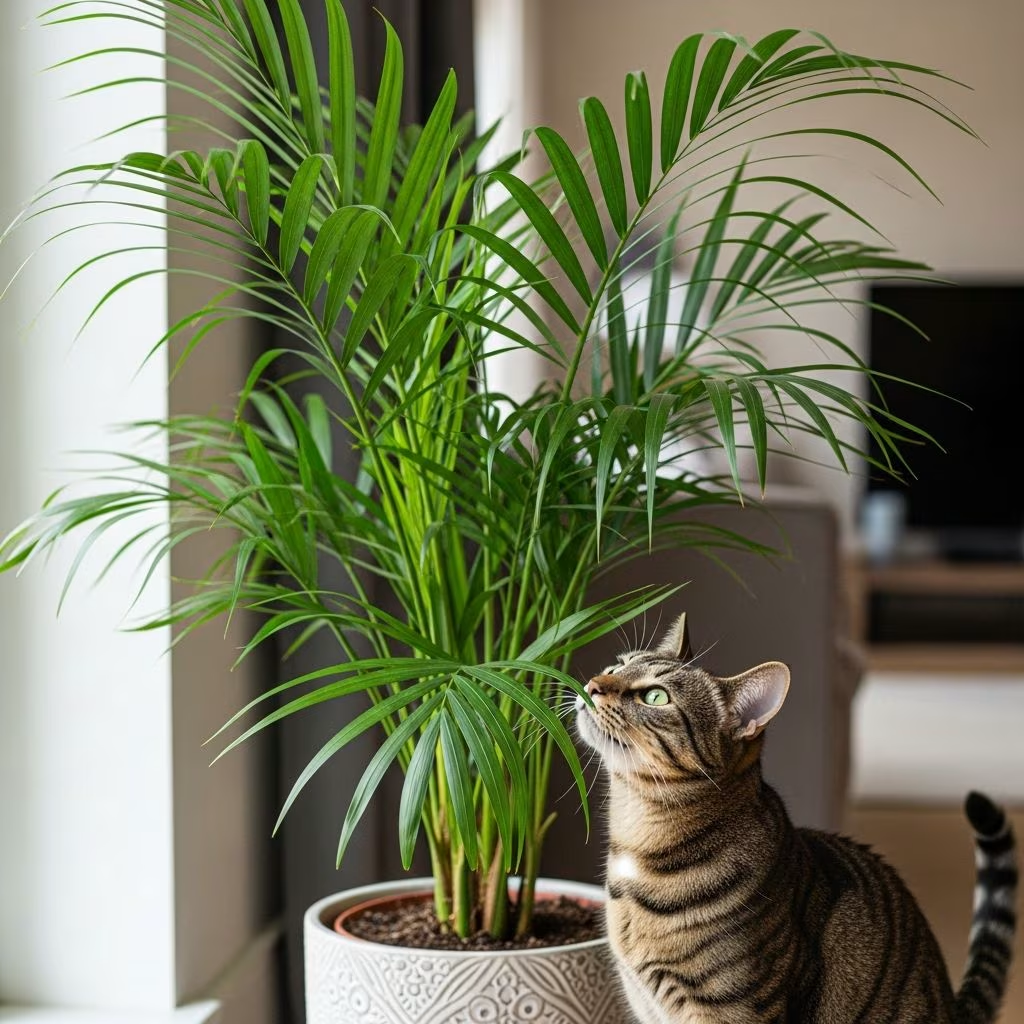
If you’re asking yourself why a majesty palm is attractive to cats, you probably don’t have to think too hard about it. With any slight movement, the large leaves of your majesty palm will be waving around, getting all sorts of curious eyes upon it. The long, dangly fronds that give the majesty palm its elegant appearance are precisely what capture a cat’s attention and stimulate their natural hunting drives.
The movement of the fronds in air currents mimics prey, triggering your cat’s predatory instincts. When your cat thinks that the plant is ready to play, they’re likely to pounce, attack, bite, claw, and otherwise interact with your plant. Cats love majesty palms so much that they can eat them down to bare nubs, sometimes causing significant damage to these otherwise hardy plants.
Additionally, cats may be drawn to houseplants for behavioral reasons beyond simple hunting instinct. Many plants serve as enrichment for indoor cats, and the texture and taste of plant material can be appealing to felines. While we can’t always scientifically explain it, cats sometimes engage in plant-chewing behaviors to get a reaction from their owners, as annoying behaviors often receive big responses from us, reinforcing the behavior.
Keeping Your Plants Safe From Cats
So, while it’s good news that majesty palms are non-toxic to cats, cats can be pretty detrimental to the plant itself. Even though majesty palms won’t hurt your cat, the plant might not fare so well in the same situation. Fortunately, there are several strategies you can employ to protect your majesty palm while maintaining a cat-friendly home.
Use Cat Grass as a Diversion
To divert your cat’s attention, one genius solution is to have cat grass around. You simply plant some basic seeds that come in a package and a little tray of soil and let the sprouts begin. Your cat can sit there in a window and munch on the cat grass all day long, leaving your majesty palm alone, hopefully. Cat grass, catnip, and lemon balm are great examples of safe plants that cats love that may act as distractions to keep cats out of your other much-loved houseplants.
Apply Deterrents
Making your plant an unappealing thing to eat will help to keep your cat at bay. There is a range of commercial deterrents available at plant stores designed to reduce cat interest in plants, and many can safely be used inside your home. Additionally, cats are less likely to approach plants if the path to them is uncomfortable on their feet. Some effective options include pinecones, aluminum foil, and double-sided sticky tape placed around the base of the plant. These tactile deterrents can discourage cats from getting close to your majesty palm.
Strategic Plant Placement
A sure-fire way to keep both your plant and your cat safe is to keep them separate from each other. Placement can be difficult with majesty palms because they get so large, but it remains one of the most effective strategies. You may consider keeping your majesty palm in an inaccessible room in the home or hanging it from high places where your cat cannot reach it. Other options include plant cages or terrariums that physically prevent your cat from accessing the fronds while still allowing light and air circulation for the plant’s health.
Majesty Palm Care Guidelines
Beyond cat-proofing, understanding proper majesty palm care will help ensure your plant thrives despite any feline interest. These tropical plants have specific requirements that differ from many common houseplants.
Potting and Soil Requirements
Majesty palm likes moist, well-drained soil with an acidic pH. These plants require regular fertilization in the right amount, making them a little bit complicated for beginners to maintain. When selecting a pot, ensure it has adequate drainage holes to prevent water from accumulating at the bottom. Using a potting mix specifically formulated for palms can provide the right balance of moisture retention and drainage.
Watering Needs
The majesty palm is a real palm tree, so it loves tropical temperatures and lots of water. Be careful not to overwater the soil as too much saturation can cause root rot. The ideal watering schedule involves keeping the soil consistently moist but not waterlogged. During growing seasons, you may need to water more frequently, while in winter months, you can reduce watering slightly. Always check the soil moisture before watering to avoid overwatering issues.
Light and Temperature
Majesty palms prefer bright, indirect light and thrive in warm, humid conditions that mimic their tropical origins. Avoid placing your majesty palm in direct sunlight, which can scorch the fronds, or in drafty areas that can damage the delicate leaves. Maintaining temperatures between 65 and 75 degrees Fahrenheit will support healthy growth.
Common Questions About Majesty Palms and Cats
Q: Can my cat die from eating a majesty palm?
A: No, majesty palms are completely non-toxic to cats, so your cat will not die or be poisoned from ingesting this plant. However, eating large quantities may cause digestive upset including vomiting and diarrhea.
Q: What should I do if my cat eats my majesty palm?
A: If your cat nibbles on the leafy fronds or the thick stem, no harm will be done to your cat, except maybe you get very grumpy with them! However, monitor your cat for any signs of digestive upset. If your cat vomits or has diarrhea, contact your veterinarian. To prevent further plant damage, consider moving the plant to a less accessible location or implementing one of the deterrent strategies mentioned above.
Q: Are there other pet-safe palms I can keep with my cat?
A: Yes, several palm varieties are safe for cats, including the ponytail palm. However, majesty palms are among the most popular and widely available pet-safe palm options, making them an excellent choice for cat owners.
Q: Why does my cat keep attacking my majesty palm?
A: Cats are attracted to the movement of the large, drooping fronds which trigger their hunting instincts. The texture and motion of the leaves simulate prey movement, making the plant an irresistible toy for curious felines.
Q: How can I tell if my majesty palm is damaged by cat chewing?
A: Look for torn, shredded, or missing portions of the fronds. Cats can eat majesty palms down to bare nubs, which looks awful and takes considerable time for the plant to recover from. Regular inspection will help you catch damage early and adjust your prevention strategies accordingly.
Other Pet-Safe Houseplants to Consider
If you’re looking to expand your collection of pet-safe houseplants, there are many excellent options beyond the majesty palm. The ASPCA maintains a comprehensive list of non-toxic plants for cats, including:
- Spider plant
- Ponytail palm
- Venus flytrap
- Polka dot plant
- Peperomias
- Boston fern
- Bromeliad
- Baby tears
- Orchids
- Peace lilies
These plants provide variety in appearance and care requirements, allowing you to create a diverse indoor garden while keeping your cat safe. Remember to research each plant’s specific care requirements and verify its non-toxic status before bringing it home.
Final Thoughts
So, now you know that you can comfortably own both your feline and your majesty palm tree with no toxicity whatsoever. On the downside, your cat might not stop trying to munch on the leaves, creating a real battle for you. Just because you have a curious cat doesn’t mean you can’t grace your home with the relaxing and beneficial presence of houseplants.
Understanding what is and isn’t safe for your cat is critical, in addition to some sneaky tactics to keep your cat far away from ornamental foliage. If cat grass doesn’t work, you might have to separate the two, so your plant can regenerate. Since the majesty palm is finicky, you don’t want the tree to undergo regular or extensive damage. Now that you know it won’t poison your cat, maybe you can try to get the two of them to get along by using the strategies outlined in this guide.
References
- Majesty Palm – Toxic and Non-toxic Plants — ASPCA. https://www.aspca.org/pet-care/aspca-poison-control/toxic-and-non-toxic-plants/majesty-palm
- Are Majesty Palms Toxic to Cats? 3 Vet-Approved Tips for Keeping Cats Away From Plants — Hepper. https://articles.hepper.com/are-majesty-palms-toxic-to-cats/



