

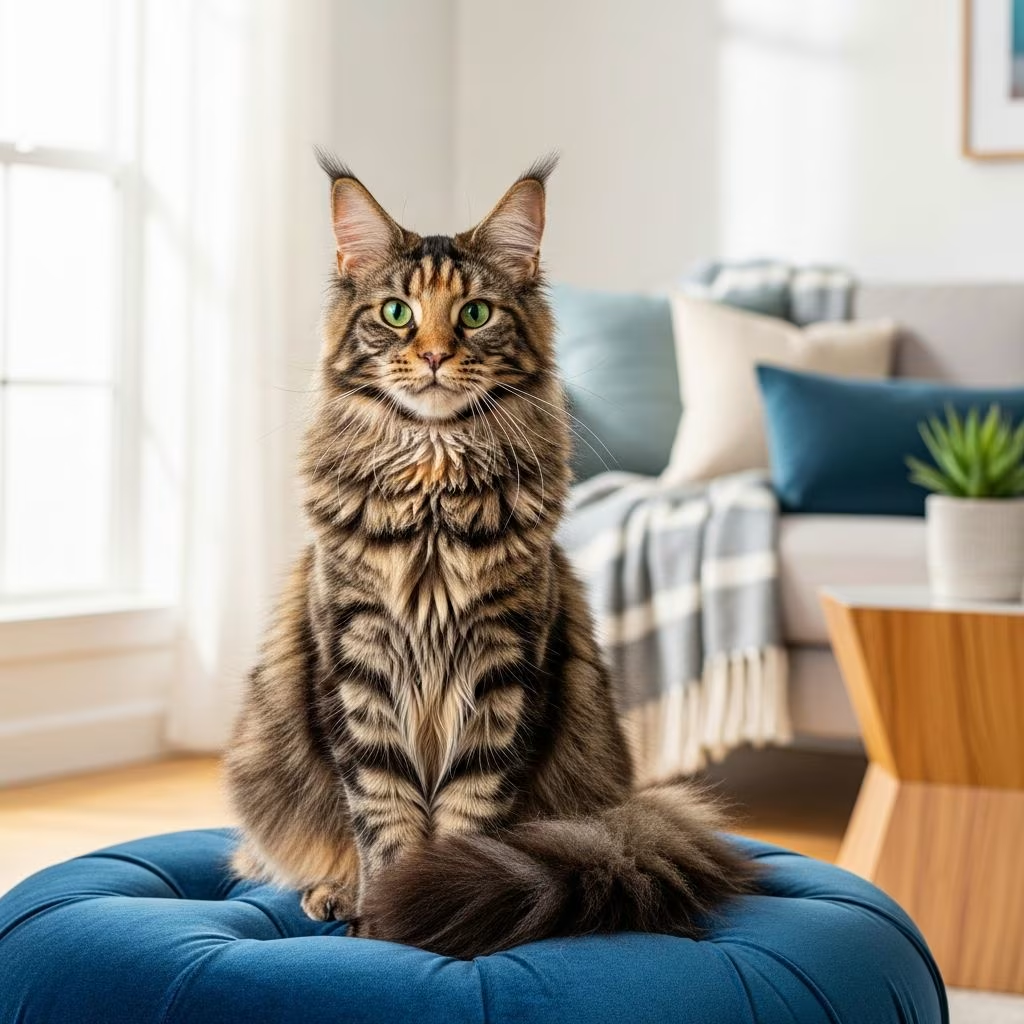
The allure of **Maine Coon cats** draws many enthusiasts with their imposing size, playful demeanor, and luxurious fur. However, for those with allergies, a critical question arises: can these gentle giants coexist in a home without sparking reactions? While no cat breed is completely hypoallergenic, Maine Coons present unique challenges due to their thick, shedding-prone coats. This article delves into their biology, shedding patterns, grooming demands, and practical strategies for allergy sufferers.
Unpacking Cat Allergies and Feline Fel d 1 Protein
Cat allergies stem primarily from **Fel d 1**, a potent protein produced in a cat’s salivary glands, skin, and urine. During grooming, cats spread this allergen across their fur, which then disperses into the air via dander—tiny skin flakes. Airborne Fel d 1 can linger on surfaces, fabrics, and even clothing, triggering symptoms like sneezing, itchy eyes, and respiratory issues in sensitive individuals.
Maine Coons, with their semi-long, shaggy coats, amplify this process. Their fur acts as a carrier, trapping and redistributing allergens more effectively than short-haired breeds. Studies from veterinary associations confirm that heavier shedding correlates with higher allergen loads in the environment.
Why Maine Coons Fall Short of Hypoallergenic Status
Maine Coons boast a distinctive double coat: a dense undercoat for insulation and a longer guard hair outer layer. This adaptation, evolved for harsh New England winters, leads to substantial seasonal shedding, particularly in spring and fall. Unlike truly low-allergen breeds such as Sphynx or Devon Rex, which produce less dander or shed minimally, Maine Coons release fur tufts daily, embedding Fel d 1 throughout the home.
- High Shedding Volume: Their fluffy tails, mane-like ruffs, and paw tufts contribute to visible fur accumulation on furniture and floors.
- Water-Resistant Fur: Natural oils make their coat shed-resistant to moisture but prone to trapping allergens.
- Large Size: Bigger bodies mean more skin surface for dander production, exacerbating exposure.
Owner reports and breed standards from organizations like The International Cat Association (TICA) highlight that while Maine Coons are not aggressive shedders year-round, their molting periods can overwhelm air purifiers and vacuums.
Physical Traits That Influence Allergen Spread
Maine Coons stand out as one of the largest domestic breeds, with males reaching 13-18 pounds and females 8-12 pounds. Their rectangular bodies, broad chests, and tufted ears give them a wild, lynx-like appearance. Key features include:
| Feature | Description | Allergy Impact |
|---|---|---|
| Coat Length | Semi-long, shaggy with britches (long fur on hind legs) | High; traps and spreads dander extensively |
| Tail | Long, bushy, often 3 feet in adults | Moderate; sheds frequently during play |
| Paws | Large with fur tufts between toes | Low; but tracks allergens across floors |
| Ears | Large, pointed with lynx tips | Minimal; less fur but still sheds |
These traits make them excellent mousers in snowy conditions but challenging for allergy-prone households.
Temperament and Lifestyle Factors for Allergy Management
Beyond fur, Maine Coons’ **dog-like personalities** influence allergen distribution. Highly social and energetic, they follow owners room-to-room, leaping onto laps and beds, which scatters fur. Their chirps, trills, and fetch-playing habits endear them to families, but close contact heightens exposure.
- Sociable with kids, dogs, and strangers once familiar.
- Intelligent: Learn tricks, reducing boredom-induced grooming.
- Moderate vocalizers: Less meowing means fewer saliva spreads via licking.
They thrive in active homes but adapt to apartments if provided vertical spaces and toys, minimizing stress-related shedding.
Grooming Routines to Reduce Allergens
Regular maintenance is essential for Maine Coon owners with allergies. Aim for brushing 2-3 times weekly using a slicker brush to remove loose undercoat before it sheds freely. Bathing every 4-6 weeks with hypoallergenic shampoos washes away surface Fel d 1.
- Daily Wiping: Use pet wipes on fur to capture dander.
- Weekly Baths: Focus on mane and tail; air-dry to avoid matting.
- Nail Trims: Every 2 weeks to prevent scratching, which releases skin flakes.
- Environmental Controls: HEPA vacuums, air purifiers, and frequent laundry washing.
These steps can reduce airborne allergens by up to 50%, per veterinary guidelines, though not eliminate them entirely.
Health Considerations Tied to Coat and Shedding
Maine Coons live 12-15 years on average but are prone to **hypertrophic cardiomyopathy (HCM)**, hip dysplasia, and patellar luxation, which may indirectly affect grooming tolerance. Their coat requires monitoring for matting, especially in seniors with reduced flexibility. Obesity from their large frames exacerbates shedding if mobility decreases.
Genetic screening via TICA-registered breeders ensures healthier lines with potentially less oily coats, correlating to milder allergen output.
Comparing Maine Coons to Hypoallergenic Breeds
| Breed | Shedding Level | Fel d 1 Production | Size | Suitability for Allergies |
|---|---|---|---|---|
| Maine Coon | High | Standard | Large | Low |
| Sphynx | None | Low | Medium | High |
| Siberian | Moderate | Low in some lines | Large | Moderate-High |
| Balinese | Low-Moderate | Standard | Medium | Moderate |
Siberians offer a closer match for those craving a fluffy companion, as select bloodlines produce less Fel d 1.
Allergy Testing and Trial Periods
Before adopting, allergy sufferers should undergo skin prick tests or blood assays for Fel d 1 sensitivity. Spend time in Maine Coon catteries for exposure trials. Start with short visits, monitoring symptoms, and use desensitization treatments if viable.
Alternatives and Innovations for Sensitive Owners
Emerging solutions include Fel d 1-neutralizing diets, sprays, and vaccines in development by veterinary researchers. Anti-allergen bedding encasements and robotic vacuums further aid control. For uncompromised options, consider hairless breeds while enjoying Maine Coons vicariously through fostering.
Frequently Asked Questions (FAQs)
Can Maine Coons be suitable for mild allergies?
Possibly, with rigorous grooming and home hygiene, but severe cases may struggle due to persistent shedding.
How often do Maine Coons shed heavily?
Twice yearly during coat blows, with lighter daily shedding year-round.
Do male or female Maine Coons shed more?
Males often have denser coats, leading to slightly more shedding.
Are there low-shedding Maine Coon variants?
No recognized variants; selective breeding focuses on health, not reduced shedding.
What’s the best vacuum for Maine Coon fur?
HEPA-filtered models with pet-specific attachments excel at capturing fine dander.
Final Thoughts on Owning a Maine Coon with Allergies
Maine Coons enchant with their size, smarts, and sweetness, but their **non-hypoallergenic nature** demands commitment from allergy sufferers. Weigh the joy of their companionship against potential health trade-offs, consulting vets for personalized advice.
References
- Maine Coon Cat: A Complete Breed Profile — WHISKAS® UK. 2023. https://www.whiskas.co.uk/cat-breeds/maine-coon
- Maine Coon Traits, Appearance, General, Character — VetAmerikan. 2024. https://www.vetamerikan.org/our-best-friends/cat-types/maine-coon
- Maine Coon Cat Characteristics & Care Guide — Cat Evolution. 2023. https://catevolution.com.au/blogs/cat_tips_tricks/maine-coon-cat-characteristics
- Maine Coon Breed: Characteristics, Care & Photos — Chewy. 2024. https://www.chewy.com/education/cat-breeds/maine-coon
- Maine Coon Cat Breed — Hill’s Pet Nutrition. 2023. https://www.hillspet.com/cat-care/cat-breeds/maine-coon
- Maine Coon Breed Standard — The International Cat Association (TICA). 2025-01-15. https://tica.org/breed/maine-coon/



