

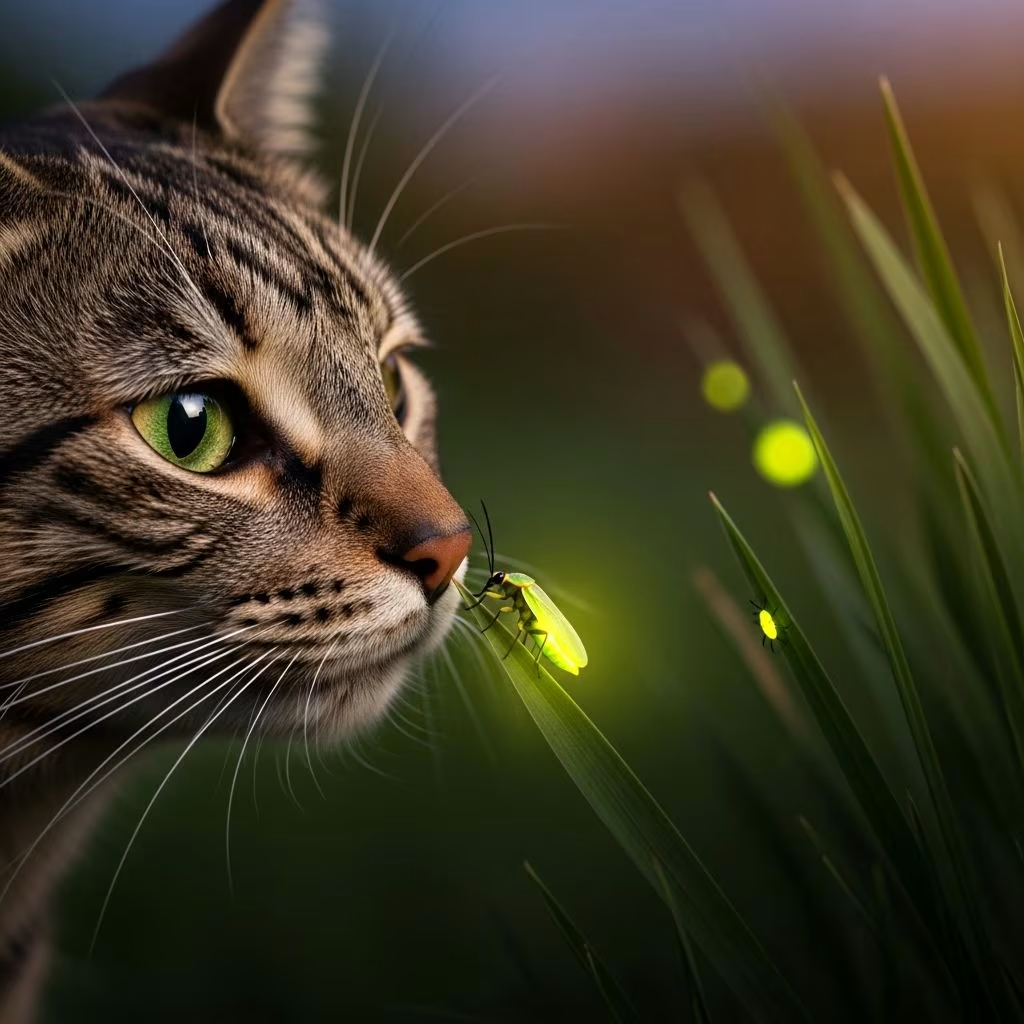
Lightning bugs, also known as fireflies from the family Lampyridae, light up summer evenings and often attract curious cats. While a single ingestion is rarely life-threatening, these insects contain defensive chemicals that can cause discomfort or toxicity in cats. Understanding the risks helps cat owners respond appropriately if their pet catches and eats one.
My Cat Ate a Lightning Bug! Now What?
If your cat eats a lightning bug, monitor closely for signs of gastrointestinal upset. Common reactions include excessive drooling, lip licking due to the bitter taste, vomiting, diarrhea, or stomach pain, appearing 15 minutes to 2 hours after ingestion. These symptoms are typically mild and resolve within 24 hours without treatment.
However, severe signs like tremors, seizures, difficulty breathing, loss of coordination, or prolonged lethargy warrant immediate veterinary attention. Such reactions are rare and usually require consuming multiple bugs, which is unlikely due to the bugs’ bitter taste deterring further eating. Contact your veterinarian or a pet poison hotline promptly if symptoms persist or worsen. Online services like PangoVet offer affordable vet consultations for quick advice.
Toxic Compounds in Lightning Bugs
The primary toxin in lightning bugs is lucibufagins, a defensive steroid that gives them a bitter taste to repel predators. These chemicals can irritate the mouth, cause salivation, and lead to digestive upset in cats. In small animals like frogs or lizards, even one bug can be fatal due to heart muscle damage, but cats are larger and less sensitive.
Lucibufagins are concentrated in the bug’s body, and while the amount in one firefly is usually insufficient for serious harm in cats, repeated exposure increases risks. Not all species produce high levels, but caution is advised regardless.
Risks of a Cat Catching a Lightning Bug
Cats may chase lightning bugs outdoors, especially at dusk when the insects are active. However, risks remain low: fireflies fly quickly out of reach, and their foul taste often leads cats to spit them out immediately. Cats’ agility allows occasional catches, but most encounters end without ingestion.
Large quantities pose greater danger, potentially causing neurological symptoms like tremors. Indoor cats face minimal risk, but outdoor explorers need supervision during firefly season (summer evenings). Discourage hunting by calling your cat inside when bugs appear.
What Makes Lightning Bugs Toxic?
Beyond lucibufagins, lightning bugs offer no nutritional value to cats and can introduce bacteria or parasites from the environment. Their bioluminescence comes from luciferin and luciferase, harmless for light production but irrelevant to toxicity. The bitter compounds primarily target smaller predators, making cats somewhat tolerant but not immune.
- Bitter taste: Triggers drooling and rejection.
- Low concentration: Safe for occasional single exposure in cats.
- Cumulative effect: Multiple bugs heighten gastrointestinal and cardiac risks.
What Are the Signs of Lucibufagins Toxicity?
Symptoms vary by ingestion amount:
| Symptom | Severity | Onset Time | Action Needed |
|---|---|---|---|
| Drooling/Lip Licking | Mild | Immediate | Monitor |
| Vomiting/Diarrhea | Mild-Moderate | 15 min-2 hrs | Monitor; vet if persistent |
| Stomach Pain | Moderate | 30 min-2 hrs | Observe closely |
| Tremors/Seizures | Severe | 1-2 hrs | Emergency vet |
| Lethargy/Breathing Issues | Severe | Variable | Immediate vet |
Most cats recover quickly without intervention, but any unusual behavior post-exposure justifies professional evaluation.
Can Cats Recover From Eating a Lightning Bug?
Yes, recovery is typical and swift for mild cases. Gastrointestinal symptoms subside in hours to a day as the body processes the toxin. Due to distaste, repeat offenses are rare. Persistent signs beyond 24 hours or severe reactions require vet care to rule out complications.
Do All Lightning Bug Species Contain Defensive Compounds?
No. While many produce lucibufagins, species vary. Female Photuris fireflies mimic others to acquire toxins from males, injecting them into eggs for protection. Identifying safe species is impractical, so treat all as potentially risky.
Are There Any Long-Term Effects If My Cat Frequently Eats Lightning Bugs?
No known long-term effects from occasional ingestion, but frequent exposure risks chronic gastrointestinal issues or sensitivity buildup. Prevention is key to avoid discomfort.
How Can I Prevent My Cat From Eating Lightning Bugs?
- Supervise outdoor time, especially evenings.
- Keep cats indoors during peak firefly activity (dusk in summer).
- Provide indoor enrichment like toys to reduce hunting instincts.
- Use deterrents like motion lights or screens.
- Train with commands to recall from chasing insects.
Maintaining a bug-free yard through reduced lighting and standing water helps minimize encounters.
Are Lightning Bugs the Only Insects Harmful to Cats?
No. Other dangers include beetles, caterpillars, spiders, and wasps. Always discourage wild insect consumption.
What Should I Do If My Cat Ate a Lightning Bug?
Monitor for 24 hours. Offer water, withhold food briefly if vomiting occurs, then resume normal diet. Call vet for advice on symptoms.
Final Thoughts
Lightning bugs pose low but real risks to cats via lucibufagins, causing mostly mild upset. Prevention through supervision beats cure. If ingestion occurs, stay calm, observe, and seek vet help for concerns. Summer evenings can be enjoyable for cats and owners with simple precautions.
Frequently Asked Questions (FAQs)
Are lightning bugs poisonous to cats?
They contain lucibufagins toxic in quantity, causing drooling, vomiting, or worse if many eaten. Single bugs rarely cause severe issues.
What happens if a cat eats a firefly?
Expect drooling from bitter taste; possible vomiting/diarrhea. Severe symptoms unlikely but monitor.
Should I worry if my cat catches a lightning bug?
Low worry for one; prevent multiples. Call vet if symptoms appear.
Are fireflies safe for indoor cats?
Indoor cats avoid them entirely; safest option.
How many lightning bugs can harm a cat?
Several needed for serious toxicity; taste deters excess.
References
- Are Lightning Bugs Poisonous to Cats? Vet-Reviewed Toxicity & Facts — Hepper. 2023. https://articles.hepper.com/are-lightning-bugs-poisonous-to-cats/
- Are lightning bugs safe for my cat to eat? — Dial A Vet. 2023. https://www.dialavet.com/vet-answers/cat-eating-lightning-bugs-harmful-14725
- Are Lightning Bugs Poisonous to Cats? Vet-Reviewed Facts & FAQ — Catster. 2023. https://www.catster.com/cat-health-care/are-lightning-bugs-poisonous-to-cats/
- Bad Bugs, Bad Bugs: What You Should Do to Keep Your Pets Safe — ASPCA. 2023. https://www.aspca.org/news/bad-bugs-bad-bugs-what-you-should-do-keep-your-pets-safe



