
Are Lavender-Scented Products Harmful to My Cat?
Learn why lavender oils are toxic to cats and how to keep your feline safe from harmful essential oil exposure.
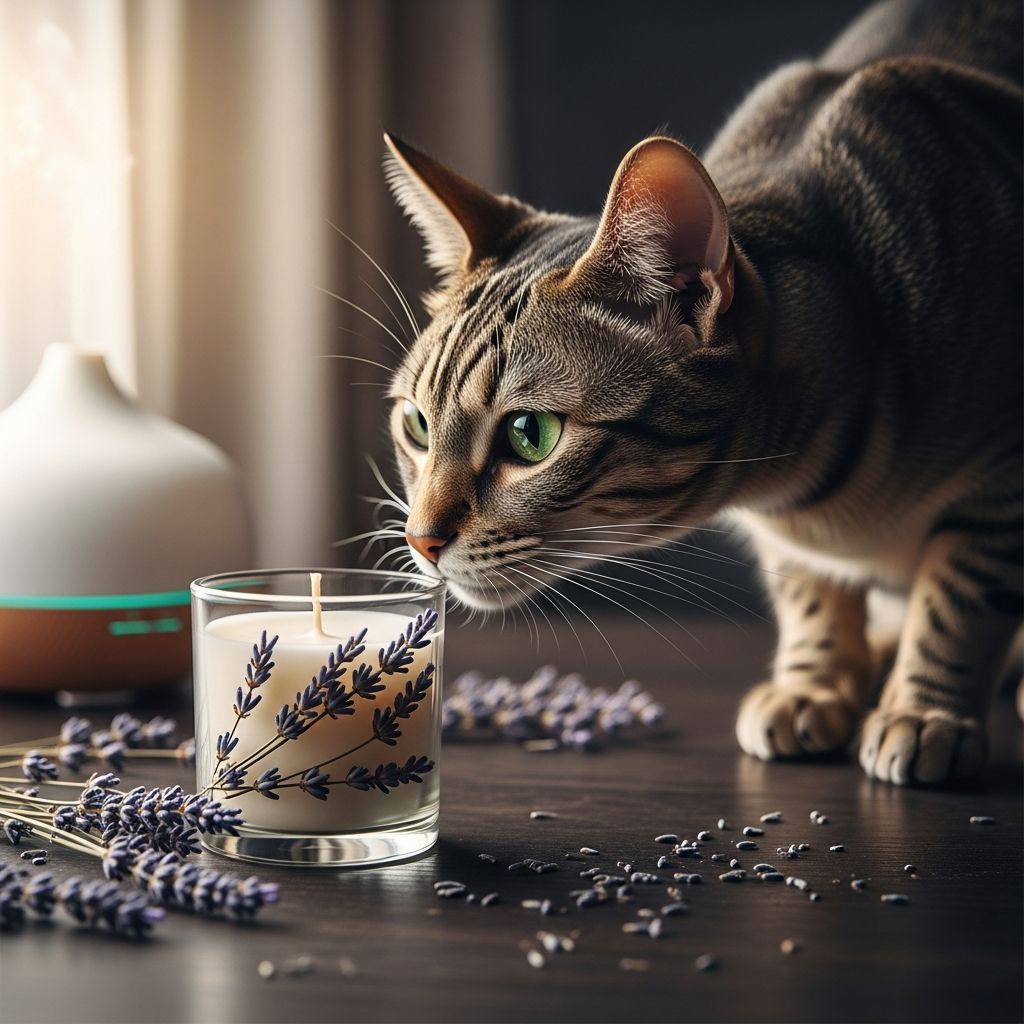
As a cat owner, you want to create a safe and comfortable environment for your feline companion. Many people use lavender-scented products around their homes for relaxation and aromatherapy purposes, but if you have a cat, you need to be aware of potential dangers. Lavender, in various forms, can pose serious health risks to cats, particularly when it comes to essential oils and concentrated lavender products. Understanding these risks is crucial for protecting your pet’s health and wellbeing.
Understanding Lavender Toxicity in Cats
The primary concern with lavender and cats involves the plant’s chemical composition. Lavender contains two compounds called linalool and linalyl acetate, which are aromatic compounds commonly used in human aromatherapy and wellness products. While these compounds may offer benefits to humans, cats cannot effectively process them due to a deficiency in liver enzymes necessary for metabolism. When cats ingest or inhale lavender, particularly in concentrated forms like essential oils, these compounds can accumulate in their system and cause toxicity.
The feline liver is significantly different from the human liver in its metabolic capabilities. Cats lack many of the enzymes required to break down certain compounds, making them particularly vulnerable to toxicity from substances that are harmless to humans. This metabolic limitation means that even small exposures to concentrated lavender products can potentially cause serious health problems for your cat.
Different Forms of Lavender and Their Risk Levels
Lavender Essential Oil
Essential oils are highly concentrated extracts from plants, and lavender essential oil is significantly more dangerous to cats than any other form of lavender. The concentration of toxic compounds in essential oils is drastically higher than in fresh or dried lavender plants. When used in diffusers or applied topically, lavender essential oil can be rapidly absorbed through multiple routes: inhalation through the lungs, absorption through the skin, and ingestion through grooming.
The concern with diffused lavender essential oil is particularly serious because your cat cannot simply avoid breathing it. If a diffuser is running in a shared living space, your cat will inevitably inhale the aerosolized oil particles. These particles can be absorbed directly into the bloodstream through the lungs and travel to the liver for metabolism, where they overwhelm the cat’s limited enzymatic capacity.
Fresh and Dried Lavender Plants
Fresh lavender plants and dried lavender are less potent than essential oils but still present risks. While mere contact with lavender leaves or flowers is unlikely to cause significant harm, ingesting large quantities of fresh or dried lavender can lead to toxicity symptoms. Dried lavender, such as that found in potpourri or sachets, contains a lower concentration of harmful compounds compared to essential oils, but it remains a concern if your cat consumes it in substantial quantities.
Lavender-Scented Products
Lavender-scented products like hand lotions, soaps, air fresheners, and scented candles present varying levels of risk depending on their lavender oil concentration. Products with minimal lavender oil content are less likely to cause problems than those heavily infused with the scent. However, care should still be taken to prevent direct contact between these products and your cat’s fur, as they can be ingested during grooming.
Routes of Exposure and How Lavender Affects Cats
Understanding how cats are exposed to lavender is essential for prevention. There are three primary routes through which lavender toxicity can occur:
Oral Ingestion: Cats may directly consume lavender plants, dried lavender products, or lavender oil. This is the most direct route of exposure and can result in rapid toxicity if the concentration is high.
Dermal Absorption: When lavender essential oil or scented products come into contact with a cat’s skin, the oils can penetrate through the skin barrier and be absorbed into the bloodstream. Additionally, cats groom themselves regularly, which means anything on their fur will likely be ingested.
Inhalation: When lavender essential oils are diffused into the air, cats inhale the aerosolized particles. These particles can be absorbed through the respiratory tract into the lungs and then into the bloodstream. This is a particular concern with essential oil diffusers, which can continuously expose your cat to lavender throughout the day.
Once lavender compounds enter your cat’s system through any of these routes, they are absorbed and transported to the liver. The liver then attempts to metabolize and break down these compounds. However, due to the feline liver’s enzymatic deficiencies, this process is inefficient, leading to a buildup of toxic compounds in the body.
Symptoms of Lavender Toxicity in Cats
If your cat has been exposed to lavender, particularly in concentrated forms, watch for the following signs of toxicity:
Gastrointestinal Symptoms
The most common signs of lavender toxicity are related to the digestive system. Your cat may experience loss of appetite, vomiting, or diarrhea. These symptoms can range from mild to severe depending on the amount and concentration of lavender exposure.
Neurological Symptoms
In more severe cases of lavender toxicity, cats may exhibit neurological problems including depression, disorientation, lethargy, weakness, and difficulty with coordination. In extreme cases, toxicity can lead to muscle tremors, seizures, or even coma.
Respiratory Symptoms
Inhalation of lavender essential oil can cause respiratory tract irritation, resulting in coughing, sneezing, or difficulty breathing. Cats with pre-existing respiratory conditions such as asthma or heart problems may experience more severe reactions.
Dermatological Symptoms
Direct application of lavender essential oil to a cat’s skin can cause inflammation, redness, swelling, or even blistering. These symptoms indicate dermal irritation and potential allergic reaction.
Behavioral Changes
Some cats exposed to lavender may exhibit unusual behavioral changes, including increased vocalization, aggression, or drooling. These changes can be subtle but indicate that your cat is experiencing distress.
When to Seek Veterinary Help
If you suspect your cat has been exposed to lavender and is showing any of these symptoms, contact your veterinarian or an emergency veterinary clinic immediately. Do not wait for symptoms to worsen. The ASPCA Animal Poison Control Center is also an excellent resource if you believe your cat has ingested lavender or lavender products. Prompt veterinary attention can prevent complications and ensure your cat receives appropriate treatment.
Safe Use of Lavender-Scented Products Around Cats
Avoiding Direct Application
Never apply lavender essential oils directly to your cat or use them on products your cat comes into contact with regularly. Even diluted lavender oil should be avoided for topical application on cats.
Hand Lotion and Personal Care Products
If you use lavender-scented hand lotion or other personal care products, avoid petting your cat immediately after application. While the amount of lavender oil in personal care products is typically minimal and unlikely to cause toxicity, preventing direct contact with your cat’s fur eliminates unnecessary risk. Allow the product to dry completely before handling your cat, and wash your hands if possible before petting.
Home Fragrance Products
Avoid using lavender-scented air fresheners, diffusers, candles, or sprays in areas where your cat spends time. If you must use these products, ensure your cat has a refuge space that is completely free from exposure, such as a separate room with the door closed.
Storage and Accessibility
Store all lavender products, particularly essential oils, in locations that are completely inaccessible to your cat. Use locked cabinets or high shelves in areas your cat cannot reach. Never leave lavender plants, dried lavender potpourri, or sachets where your cat can investigate or consume them.
Cat-Safe Alternatives to Lavender
If you enjoy using scented products for relaxation and aromatherapy, there are several alternatives that are much safer for your feline companion:
Certified Cat-Safe Products: Look for products specifically formulated and tested to be safe for cats. Many pet retailers offer calming sprays and diffusers designed with feline safety in mind.
Feline Pheromone Products: Products containing synthetic feline pheromones, such as Feliway, can help calm and relax your cat without any associated toxicity risks.
Cat Grass and Catnip: These natural plants are safe for cats and can provide enrichment and relaxation benefits.
Unscented Products: Consider using unscented versions of air fresheners, candles, and personal care products when you have cats in your home.
Creating a Safe Environment for Your Cat
The best approach to protecting your cat from lavender toxicity is prevention. Create a home environment that prioritizes your cat’s safety by eliminating or minimizing exposure to lavender products. This doesn’t mean you have to sacrifice all pleasant scents in your home; it simply means being mindful of which products you use and where you use them.
Consider designating certain areas of your home as lavender-free zones where your cat spends most of their time. Keep your bedroom door closed if you use lavender products there, and ensure your cat’s litter box, food bowls, and sleeping areas are far removed from any lavender-scented products.
Educate other family members and visitors about your cat’s sensitivity to lavender. Make sure guests understand not to apply lavender products directly before handling your cat and not to bring lavender-scented items into your home.
Frequently Asked Questions
Q: Is a small amount of lavender oil dangerous for cats?
A: Any amount of concentrated lavender essential oil poses a potential risk to cats due to their inability to metabolize it effectively. Even minimal exposure through diffusers or topical application can lead to toxicity symptoms. It’s best to avoid all essential oil exposure.
Q: Can cats die from lavender exposure?
A: While death from lavender exposure is uncommon, severe toxicity can lead to serious complications including seizures, coma, and respiratory distress. Immediate veterinary attention is critical if your cat shows severe symptoms.
Q: What should I do if my cat ingests lavender essential oil?
A: Contact your veterinarian or the ASPCA Animal Poison Control Center immediately. Do not attempt to induce vomiting unless directed by a veterinary professional. Provide as much information as possible about the amount and concentration of the oil your cat ingested.
Q: Are lavender-scented candles safe if my cat is in the room?
A: Lavender-scented candles pose a risk to your cat, especially in enclosed spaces. The scent can accumulate in the air, and your cat cannot avoid inhaling it. It’s safer to use these products in rooms where your cat does not have access.
Q: Can I use lavender spray on my cat’s bedding?
A: No, you should not use lavender spray on your cat’s bedding or any areas your cat frequents. Your cat will be exposed through inhalation and direct contact, and can ingest the spray through grooming.
Q: Is dried lavender safer than essential oil for cats?
A: Dried lavender is less concentrated than essential oil, so it poses a lower risk. However, it should still be kept away from cats, as ingestion of large quantities can cause toxicity.
Conclusion
While lavender offers many benefits for humans, it presents clear risks to cats due to their unique metabolic limitations. Lavender essential oils are particularly dangerous and should never be used around cats. By understanding these risks and taking appropriate preventive measures, you can keep your feline companion safe while still maintaining a pleasant home environment. If you have questions about specific products or your cat’s health, consult with your veterinarian, who can provide personalized guidance based on your cat’s individual needs and health status.
References
- Are Lavender Air Fresheners Safe for Cats? — Fresh Wave. https://www.freshwaveworks.com/blogs/tips-how-to-use/are-lavender-air-fresheners-safe-for-cats
- Is Lavender Safe for Cats? All You Need to Know — Paw Origins. https://paworigins.com/blogs/vet-blogs/is-lavender-safe-for-cats
- Is Lavender Safe for Cats? — Harlingen Veterinary Clinic. https://harlingenveterinaryclinic.com/blog/is-lavender-safe-for-cats/
- Is Lavender Safe for Cats? That’s a Hard No — HowStuffWorks. https://animals.howstuffworks.com/pets/is-lavender-safe-for-cats.htm
Similar Articles








Read full bio of medha deb




