

Are Laser Pointers Bad for Cats? What You Should Know
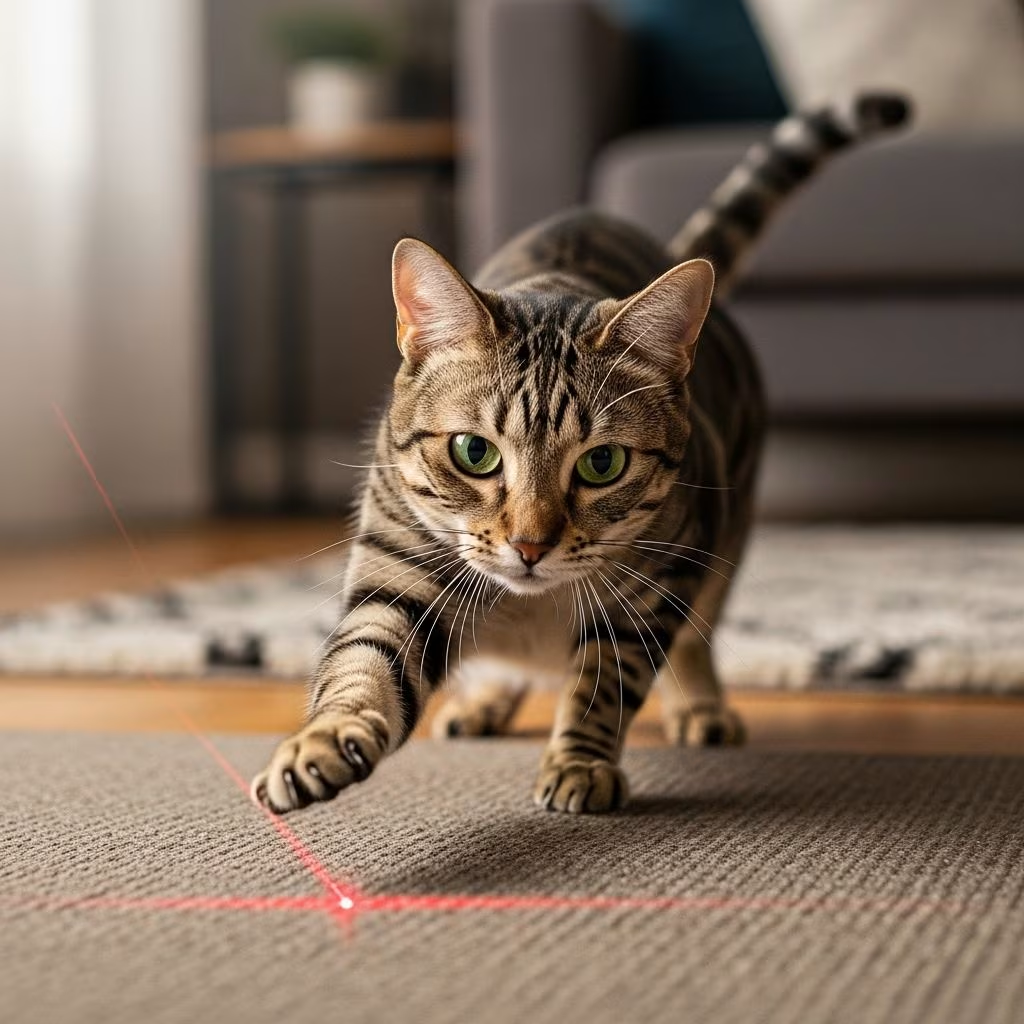
Laser pointers have become one of the most popular interactive toys for cats, captivating pet owners with the amusing sight of their feline companions pouncing and chasing the elusive red dot across walls and floors. However, recent research and veterinary guidance suggest that while laser pointers can provide entertainment and exercise, they come with significant risks that cat owners should understand before incorporating them into their pet’s play routine.
The Appeal of Laser Pointers for Cat Owners
The popularity of laser pointers stems from their apparent simplicity and effectiveness. Unlike traditional toys that require constant replacement or cleanup, a laser pointer provides instant engagement, triggering a cat’s natural hunting instincts with minimal effort. Many cat owners appreciate that laser pointers can help their sedentary indoor cats get exercise, which is crucial for maintaining a healthy weight and preventing obesity—a condition frequently diagnosed in pets.
Additionally, laser pointers can help cats build confidence and learn to play with each other, offering mental stimulation that combats boredom and reduces behavioral problems associated with indoor living. For pet owners seeking a cost-effective and convenient way to engage their cats, laser pointers initially seem like an ideal solution.
The Physical Dangers of Laser Pointers
Eye Damage and Retinal Injury
One of the most serious concerns regarding laser pointers is the potential for eye damage. While the risk is considered rare when the laser is used properly, it remains a legitimate danger. If a laser pointer’s beam shines directly into a cat’s eyes, it can cause harm and potentially result in permanent damage to the retina. Low-powered lasers can lead to retinal injury, making them an unsafe choice for uncontrolled interactive play.
What makes this risk particularly concerning is that damage may not be immediately observable. A cat could appear unaffected after laser play today, yet develop ocular issues months or even years later. This delayed onset makes it difficult to pinpoint laser exposure as the cause of eye problems, potentially leading to misdiagnosis or delayed treatment.
Veterinarians emphasize that the strength of the laser matters significantly. Depending on the laser’s power level, it may cause damage that becomes apparent only after extended exposure over time. This unpredictable latency period underscores the importance of preventative measures when using any laser toy.
Physical Strain and Injury
Beyond eye damage, continuous use of laser pointers can cause physical strain on a cat’s body. The repeated jumping, running, and sudden directional changes required to chase the dot can strain muscles and joints, particularly in senior cats or those with pre-existing joint issues. Abrupt motions and excessive physical exertion during laser play sessions may lead to injuries that could have been avoided with more controlled play activities.
Pet owners should monitor their cat’s physical condition during play and ensure adequate rest periods, especially for cats unaccustomed to vigorous exercise. Starting slowly with sedentary cats and gradually increasing play intensity can help prevent overexertion and related injuries.
Behavioral and Psychological Concerns
Frustration and Anxiety
At the core of laser pointer concerns lies a fundamental behavioral issue: cats can never actually catch the light. Unlike traditional hunting, where a cat successfully captures and handles prey, laser pointer play offers no tangible reward for the cat’s efforts. This creates a scenario where cats engage in the hunting sequence without the satisfaction of completion, leading to frustration and anxiety.
Imagine playing a game you could never win—the emotional toll compounds over time. Repeated exposure to an uncatchable “prey” without positive resolution can result in depression, anxiety, and stress in cats. For sensitive cats or those already prone to stress, this psychological burden can significantly impact overall well-being.
Obsessive and Compulsive Behaviors
Research from the National Institutes of Health (NIH) has identified significant associations between laser light play frequency and the development of abnormal repetitive behaviors (ARBs) in cats. Cats that frequently engage in laser pointer play are more likely to display compulsive behaviors, including obsessive chasing of lights and shadows, and fixation on reflections.
The study found that the more frequently laser light play toys were used, the more likely cat guardians were to report ARBs in their cats. The strongest associations appeared for behaviors directly connected to laser play: chasing lights or shadows obsessively, staring fixedly at light reflections, and fixating on specific toys. While these associations are correlational rather than definitively causal, they suggest that laser light toys may be associated with the development of feline compulsive disorder, warranting careful consideration of their use.
Indoor-only cats and young cats (ages 1–2 years) showed higher rates of ARBs, suggesting that certain cat populations may be more vulnerable to the effects of laser play. This indicates that laser pointers may pose particular risks for cats with limited environmental enrichment or those in critical developmental periods.
Behavioral Problems and Redirected Aggression
The constant frustration of chasing an uncatchable “prey” can manifest in several problematic behaviors. Cats may exhibit excessive meowing, pacing, and other signs of anxiety or frustration. In some cases, the frustration extends beyond the laser play itself, resulting in redirected aggression where cats lash out at other pets or people in the household.
Some cats become overly stimulated by chasing the laser, leading to exhaustion, stress, or in extreme cases, even seizures. The overstimulation can trigger behavioral issues that require professional intervention and may take considerable time to resolve once established.
Impact on Natural Hunting Skills
Laser pointer play also lacks the developmental benefits of traditional hunting play. Unlike chasing real prey, which involves stalking, pouncing, and handling a tangible object, laser play doesn’t provide cats the opportunity to use and hone their natural hunting skills. Over time, this limitation can impact a cat’s ability to develop and maintain instinctive behaviors that would be essential for survival in natural environments.
Safe Use Guidelines for Laser Pointers
If you choose to use laser pointers with your cat, following specific safety guidelines can help minimize risks:
- Never shine the laser directly in your cat’s eyes. Always aim for the ground or walls, maintaining safe angles that prevent beam reflection into ocular areas.
- Avoid aiming at high wall spots. Cats attempting to jump to unrealistic heights to catch the dot may suffer injuries from falls or collisions.
- Monitor intensity and duration. Use laser pointers sparingly and for brief periods rather than extended play sessions that can lead to overstimulation or obsessive behavior.
- Start slowly with sedentary cats. If your cat is unaccustomed to vigorous exercise, introduce laser play gradually to prevent physical strain.
- Always end with a catchable reward. Conclude laser sessions by allowing your cat to “catch” a real toy or treat, providing closure and satisfaction to the hunting sequence.
- Use low-powered lasers. Select laser toys with lower power outputs to minimize potential eye damage risk.
- Watch for signs of obsession. Discontinue use if your cat begins displaying obsessive behaviors related to lights, reflections, or shadows.
Safer Alternatives to Laser Pointers
Rather than relying on laser pointers as the primary interactive toy, consider these safer alternatives that provide mental stimulation and physical exercise:
- Wand toys and feather toys: Offer tangible prey-like objects that cats can catch and handle, providing the satisfaction that laser play lacks.
- Interactive puzzle toys: Engage cats mentally while rewarding them with treats, combining enrichment with positive reinforcement.
- Ball toys and rolling toys: Provide independent or interactive play without the behavioral risks associated with laser pointers.
- Climbing structures and perches: Encourage natural climbing behaviors and exploration in a safe, contained environment.
- Outdoor access or catios: When safe and feasible, outdoor environments provide natural hunting opportunities and environmental enrichment.
- Training and play sessions: Interactive play with cat owners using traditional toys builds bonding and provides more controlled exercise.
Signs Your Cat May Be Negatively Affected by Laser Pointers
Watch for these warning signs that suggest your cat may be developing problems related to laser pointer use:
- Obsessive staring at lights, shadows, or reflections even when the laser pointer isn’t in use
- Excessive meowing, vocalization, or restlessness after laser play sessions
- Pacing, anxiety, or signs of stress during or after play
- Redirected aggression toward other pets or people
- Physical injuries or limping suggesting muscle or joint strain
- Fixation on specific toys or objects lasting beyond normal play sessions
- Changes in eating, sleeping, or bathroom habits indicating stress
- Reluctance to engage in other forms of play or activity
Frequently Asked Questions
Q: Are laser pointers completely unsafe for cats?
A: While laser pointers carry documented risks, they are not completely unsafe when used responsibly. Used in moderation with proper safety precautions—avoiding direct eye exposure, limiting session duration, and ending with a tangible reward—some cats can enjoy laser play without significant negative effects. However, the risks may outweigh benefits for many cats, and safer alternatives exist.
Q: Can laser pointers cause permanent blindness in cats?
A: While permanent blindness from laser exposure is rare, it is possible. Direct or repeated exposure to laser beams can cause retinal damage that may not be immediately apparent but could develop over months or years. The delayed onset makes prevention critical.
Q: How often can I safely use a laser pointer with my cat?
A: If you choose to use laser pointers, frequency should be minimal—no more than a few times per week for very brief sessions. Monitor your cat for signs of obsessive behavior or overstimulation. Many veterinarians recommend avoiding regular laser pointer use altogether in favor of safer alternatives.
Q: What should I do if my cat has become obsessed with laser pointers?
A: Discontinue laser pointer use immediately and introduce alternative toys that provide tangible play experiences. Consider consulting with a veterinarian or feline behaviorist if obsessive behaviors persist, as professional intervention may be needed to resolve established compulsive patterns.
Q: Are certain cat breeds more vulnerable to laser pointer problems?
A: While all cats can be affected, young cats and indoor-only cats show higher rates of abnormal repetitive behaviors associated with laser play. Cats with pre-existing anxiety or stress may also be more vulnerable to negative psychological effects.
Q: Can laser pointers help with cat weight management?
A: Laser pointers can provide exercise that aids weight management, but the risks often outweigh benefits. Safer alternatives like wand toys, interactive play sessions, and environmental enrichment can achieve the same fitness goals without associated behavioral and health risks.
The Bottom Line
Laser pointers present a paradox: they effectively engage cats and provide quick exercise, but come with documented risks ranging from eye damage to serious behavioral problems. Research has established associations between frequent laser pointer use and abnormal repetitive behaviors, with some cats developing compulsive behaviors that persist even after laser play ceases.
While occasional, carefully controlled laser pointer use with proper safety precautions may be acceptable for some cats, the accumulating evidence suggests that safer alternatives provide superior enrichment without the risks. By choosing tangible toys, interactive play, environmental enrichment, and behavioral stimulation, pet owners can help their cats thrive while avoiding the potential pitfalls of laser pointers.
Ultimately, understanding your individual cat’s needs and consulting with your veterinarian about the best play options ensures that your feline companion receives appropriate mental and physical stimulation in the safest possible manner.
References
- Laser Light Pointers for Use in Companion Cat Play — National Center for Biotechnology Information (NCBI/NIH). 2022-07-29. https://pmc.ncbi.nlm.nih.gov/articles/PMC8388446/
- Are Laser Pointers Bad for Cats? — PetMD. 2024. https://www.petmd.com/cat/general-health/are-laser-pointers-bad-cats
- Are Laser Pointers a Hidden Danger for Your Cat? — SpayMart. 2024. https://spaymart.org/are-laser-pointers-a-hidden-danger-for-your-cat/
- The Truth About Cats and Laser Pointers: Fun or Harmful? — The Cat Ladies. 2024. https://thecatladies.com/blogs/news/the-truth-about-cats-and-laser-pointers-fun-or-harmful
- Understanding the Impact of Laser Point Syndrome in Cats — ZezeLife. 2024. https://www.zezelife.com/understanding-the-impact-of-laser-point-syndrome-in-cats/



