

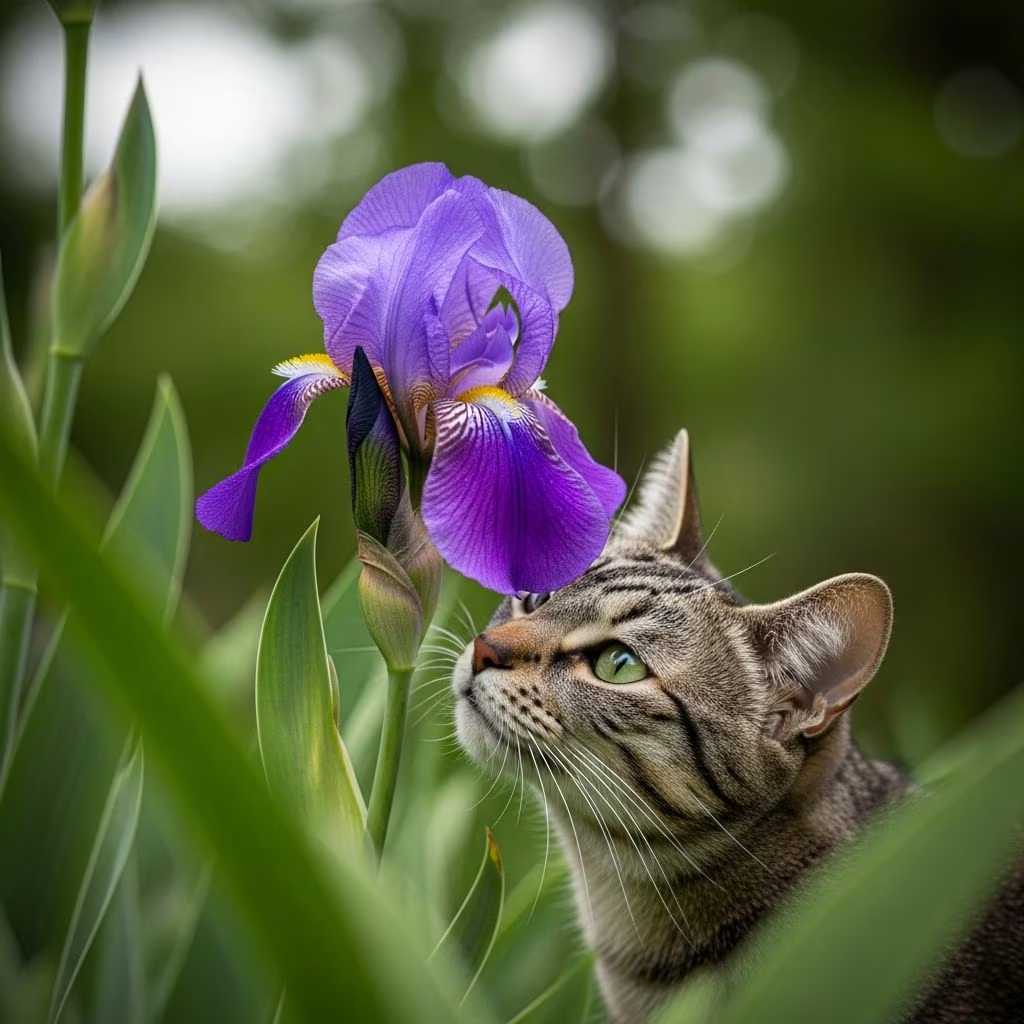
Irises, with their striking blooms in shades of purple, blue, and yellow, are popular garden and indoor plants, but they pose a significant danger to cats. Every part of the iris plant contains toxic compounds known as pentacyclic terpenoids, which can cause irritation and gastrointestinal distress in felines upon ingestion. While the toxicity level is generally mild to moderate, it leads to uncomfortable and potentially serious symptoms that require prompt veterinary attention.
Understanding the Hidden Dangers in Your Garden
Cats are naturally curious explorers, often nibbling on plants out of boredom, instinct, or during play. Irises belong to the Iridaceae family, and their appeal lies in sword-like leaves and vibrant flowers. However, the real threat lurks in the rhizomes (underground stems) and bulbs, where toxins like missourin, missouriensin, and zeorin are most concentrated. These substances irritate the mouth, throat, and digestive tract, triggering a cascade of adverse reactions.
According to veterinary toxicologists, even small amounts can provoke issues, especially in sensitive cats or kittens. The ASPCA and Pet Poison Helpline classify irises as toxic to cats, dogs, and horses, emphasizing the need for pet owners to be vigilant. Unlike some highly lethal plants, iris poisoning rarely causes death but can lead to dehydration if vomiting and diarrhea persist untreated.
Recognizing the Symptoms of Iris Exposure
Early detection is crucial for minimizing harm. Symptoms typically appear within hours of ingestion and vary based on the quantity consumed and the cat’s size. Common clinical signs include:
- Excessive drooling: Due to mouth and tongue irritation from the terpenoids.
- Vomiting: Often the first noticeable sign as the stomach rejects the irritants.
- Diarrhea: Loose stools that may contain plant material.
- Lethargy: Your cat may appear weak, uninterested in food or play.
- Abdominal discomfort: Hunching, whining, or reluctance to be touched.
- Oral ulcers: Sores inside the mouth, visible upon inspection.
- Skin irritation: Redness around the lips or paws if handled.
If multiple symptoms appear together, especially after garden access, suspect iris involvement. Severity escalates with bulb consumption, potentially causing bleeding in the gut or prolonged recovery. Monitor closely and note the timeline for your vet.
Immediate Response: What to Do If Your Cat Eats an Iris
Act swiftly but calmly. First, confirm exposure by checking the plant for chew marks, saliva residue, or missing parts, and inspect your cat’s mouth for debris. Do not induce vomiting at home without veterinary guidance, as it can worsen esophageal irritation.
Transport your cat to the nearest vet clinic immediately, bringing a sample of the plant (in a sealed bag) for identification. En route, prevent further ingestion and keep your cat comfortable. Hotline options like Pet Poison Helpline (855-764-7661) or ASPCA Animal Poison Control (888-426-4435) offer 24/7 advice while heading to professional care.
Veterinary Diagnosis and Treatment Protocols
Upon arrival, expect a thorough physical exam, including oral inspection for ulcers and hydration assessment. Vets confirm diagnosis via history, symptoms, and plant sample analysis. Treatment is supportive and tailored to severity:
| Condition | Treatment | Purpose |
|---|---|---|
| Recent ingestion | Mouth flushing or emesis induction | Remove unabsorbed toxins |
| Dehydration | IV fluids | Rehydrate and stabilize |
| Ongoing GI upset | Anti-emetics, anti-diarrheals | Control symptoms |
| Severe cases | Gastric lavage, activated charcoal | Absorb and evacuate toxins |
| Ulcers/pain | Protectants, analgesics | Heal tissues, ease discomfort |
Most cats recover within 24-48 hours with care, though hospitalization may be needed for heavy exposure. Prognosis is excellent if treated early.
Prevention Strategies for a Cat-Safe Environment
Proactive measures eliminate risks. The simplest approach: Remove irises entirely from yards and homes. For dedicated gardeners, consider these alternatives:
- Physical barriers: Use plant netting, fences, or elevated pots beyond jump reach.
- Repellents: Spray citrus solutions (lemon/orange juice diluted in water) or apple cider vinegar on soil—cats detest these odors.
- Placement tactics: Hang vases high or confine plants to cat-free zones.
- Distractions: Provide cat grass, catnip toys, or dedicated safe plants like spider plants.
- Garden redesign: Opt for non-toxic blooms such as sunflowers, roses ( thorn-free), or marigolds.
For indoor-only cats, maintain strict supervision during new plant introductions. Train with positive reinforcement to discourage nibbling.
Cat-Friendly Plant Alternatives: Building a Safe Garden
Create a haven with these vet-approved, non-toxic options:
- Spider Plant: Air-purifying and playful dangling leaves.
- Boston Fern: Lush and humidity-loving.
- Catnip or Silver Vine: Stimulating and safe in moderation.
- Swedish Ivy: Trailing greenery without risks.
- Palms (Parlor or Bamboo): Elegant and hardy.
These not only beautify but enrich your cat’s environment, reducing boredom-driven plant chewing.
FAQs About Iris Toxicity in Cats
Are all iris varieties equally toxic to cats?
Yes, all species in the Iris genus contain pentacyclic terpenoids, with highest concentrations in rhizomes across bearded, Siberian, and Dutch varieties.
Can a small nibble cause serious harm?
Typically mild, but sensitive cats may show strong reactions. Bulb ingestion heightens risks.
How long do symptoms last without treatment?
12-72 hours, but dehydration can prolong issues—seek vet care promptly.
Is iris toxicity fatal?
Rarely, with supportive care; most recover fully.
What if my cat chewed an iris but seems fine?
Monitor for 24 hours; latent symptoms can emerge. Consult your vet.
Long-Term Health Implications and Monitoring
While iris exposure seldom causes lasting damage, repeated incidents may sensitize a cat, worsening future reactions. Annual vet check-ups, fecal tests, and dental exams help track recovery. Promote overall wellness with balanced diets, parasite control, and enrichment to curb plant interest.
Pet owners report fewer incidents after switching to safe gardens, highlighting prevention’s effectiveness. Educate family members on risks, especially with children who might bring flowers indoors.
References
- Are Irises Poisonous to Cats? Vet-Verified Facts, Risks & Tips — Hepper. 2023. https://articles.hepper.com/are-irises-poisonous-to-cats/
- Are Irises Poisonous to Cats? Vet Approved Facts & Safety Tips — Catster. 2023. https://www.catster.com/cat-health-care/are-irises-poisonous-to-cats/
- Toxicology Answer: Don’t Eat the Lovely Iris — ACEP Now. 2022-10-01. https://www.acepnow.com/article/toxicology-answer-dont-eat-the-lovely-iris/
- Iris Is Toxic To Pets — Pet Poison Helpline. 2024. https://www.petpoisonhelpline.com/poison/iris/
- Iris – Toxic and Non-toxic Plants — ASPCA. 2024. https://www.aspca.org/pet-care/aspca-poison-control/toxic-and-non-toxic-plants/iris



