

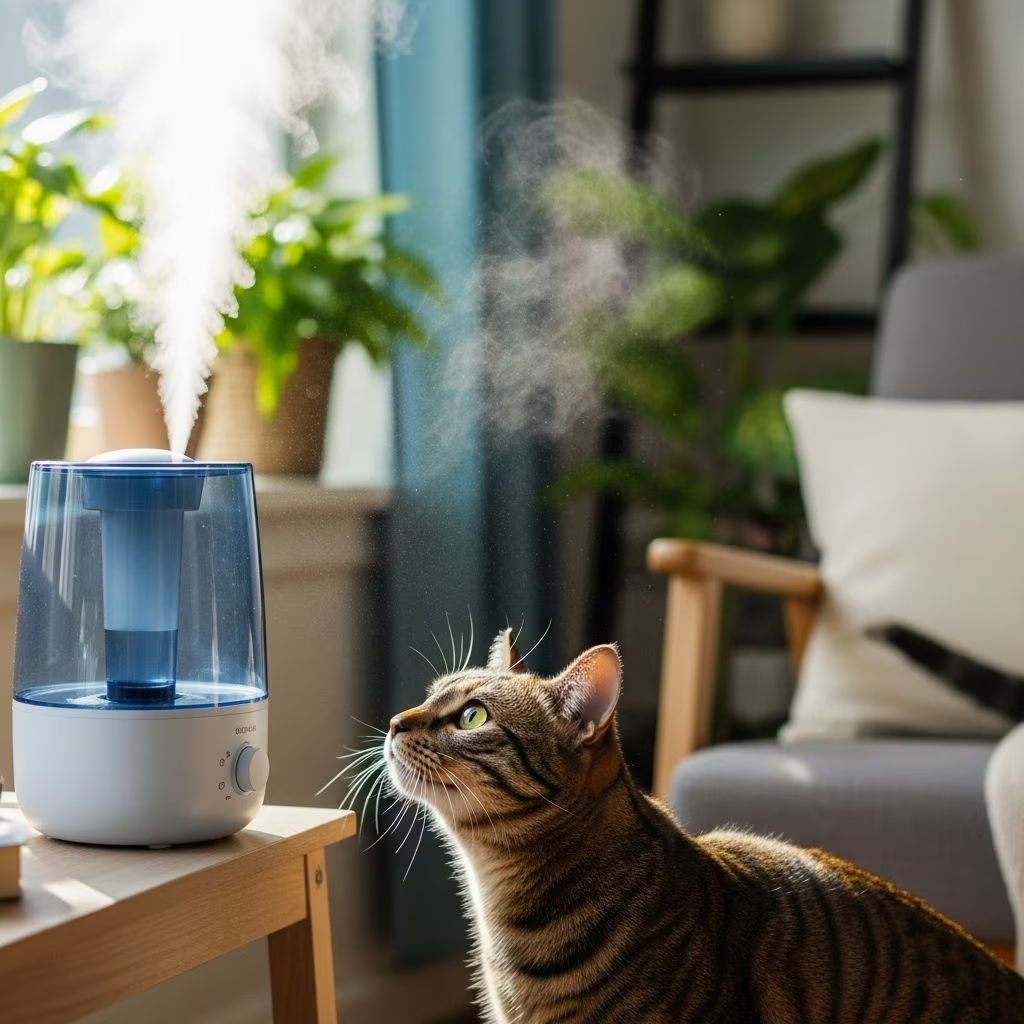
Are Humidifiers Safe for Cats?
Humidifiers can be a beneficial addition to your home, especially during dry seasons or when your feline friend is battling respiratory issues. However, cat owners need to understand the potential risks and proper usage guidelines to ensure their pets remain safe. The key to safely using a humidifier around your cat involves selecting the right type, maintaining it properly, and positioning it strategically throughout your home.
The Benefits of Humidifiers for Cats
When used correctly, humidifiers can provide several health advantages for your cat. Added moisture in the air can help open your cat’s nasal passages, improve cold symptoms, and restore the suppleness of their skin and coat. For cats with respiratory issues such as asthma or bronchitis, a humidified environment can facilitate easier and more comfortable breathing. Cats that suffer from dry skin conditions may also see significant improvement after just a few days of humidifier use.
According to health standards, the humidity in your home should ideally remain between 30% and 50%, a level that best suits both humans and their cats. Humidifiers are self-regulating devices, meaning that as humidity increases, the humidifier’s water-vapor output naturally decreases, helping maintain optimal moisture levels without over-humidifying your space.
Types of Humidifiers and Safety Considerations
Not all humidifiers are created equal when it comes to pet safety. Understanding the different types available will help you make the best choice for your feline companion.
Warm Mist Humidifiers: The Danger Zone
Warm mist humidifiers use a heating system to boil water and create steam or mist. While these devices are popular in many households, they pose significant dangers to cats. Because cats are innately curious creatures, they will spend time investigating your new humidifier. If your curious cat manages to tip it over or gets too close to the unit, they could accidentally burn or scald themselves with the hot steam or boiling water. Given the playful nature of cats and their tendency to explore their environment, warm mist humidifiers are too dangerous to operate in homes with feline companions.
Cool Mist and Ultrasonic Humidifiers: The Safer Choice
Cold mist humidifiers are the ideal choice for any cat owner. Because cats groom themselves specifically to cool their bodies, a cold mist humidifier will help bring them heat relief and improve the overall quality of their skin and coat without the burn risk associated with warm mist models. Ultrasonic humidifiers, which use vibration technology to create a fine mist, are another safe option. An additional benefit of choosing an ultrasonic humidifier is that their vibration technology makes them whisper quiet, helping create a calming environment for you and your favorite feline.
Key Risks Associated with Humidifiers
While humidifiers offer benefits, cat owners must be vigilant about potential hazards to keep their pets safe.
Burns and Scalds
The primary risk associated with warm mist humidifiers is the potential for burns and scalds. Cats may be attracted to the vibrations or steam from the device and approach it too closely, resulting in nasty burn injuries. Even cool mist or ultrasonic humidifiers should be kept out of your cat’s reach to avoid accidental injuries from tipping or other accidents.
Bacterial Growth and Mold Development
A warm, damp environment created by humidifiers is a perfect breeding ground for bacteria and mold. When bacteria thrive within the humidifier or diffuser and are released into the air, you and your pets can develop respiratory infections or pneumonia when these microorganisms are inhaled. This makes regular cleaning and maintenance absolutely essential. You should clean and disinfect your humidifier regularly using a pet-safe method approved by the manufacturer to prevent the accumulation of harmful microorganisms.
Water Quality Concerns
The water you use in your humidifier significantly impacts the indoor air quality. Poor water quality can lead to the growth of bacteria and mold, which, when released into the air, can cause respiratory issues and allergic reactions in cats. Cats are particularly sensitive to air quality, making this a significant concern. To reduce these risks, it’s recommended to use distilled or demineralized water in humidifiers rather than tap water, which can release excess minerals into your home. Additionally, consistent cleaning of the humidifier and timely filter replacement are key to preserving water quality and preventing harmful bacterial and mold growth.
Essential Oils and Fragrances: A Serious Concern
Some people enjoy putting a few drops of essential oils in the water basin of their humidifier to diffuse pleasant, stress-relieving scents throughout their home. However, cat owners need to be aware that essential oils can be potentially toxic to their precious pets. You should never use a humidifier or diffuser that uses essential oils with cats in the home.
Why Essential Oils Are Dangerous to Cats
Cats have a sense of smell that is 14 times greater than humans. As a result, the scent that appears mild and enjoyable to you can be overpowering and overwhelming to your kitty. Essential oils are also dangerous to cats if ingested, even in small amounts, or if they come in contact with their skin.
Two compounds found in most essential oils—monoterpene hydrocarbon and phenols—can build up in a cat’s liver and cause health issues over time. Because of their special sensitivity, cats that have managed to get essential oils on their fur and lick themselves may have trouble walking and, in serious cases, may experience low body temperature. Those that ingest concentrated essential oils can suffer vomiting, diarrhea, and depression.
Essential Oils to Avoid
Many essential oils are toxic to cats, including:
- Cinnamon
- Citrus oils
- Eucalyptus
- Peppermint
- Pine
- Tea tree
- Wintergreen
- Ylang-ylang
Safe Alternatives
If you still desire to use essential oils in your humidifier, the ASPCA’s Animal Poison Control Center suggests using only small amounts of essential oil in a well-ventilated room for a limited period of time, preferably in a secured area that your cat cannot access. However, if your cat has a history of breathing problems, it is strongly advisable to avoid using essential oils altogether. The safest approach is to use distilled water without any fragrances or additives in your humidifier.
Safe Humidifier Placement and Design
The design and placement of humidifiers can inadvertently pose risks to curious cats. Models with accessible moving parts, hot surfaces, or water reservoirs can cause accidental injuries. It’s important to strategically place humidifiers in areas out of cats’ reach, such as elevated or secluded spots, to minimize these risks.
For cat owners with climbing felines, placement becomes more challenging. Consider placing the humidifier on a shelf that cannot be accessed through climbing. If your cat can potentially reach a spot, choose a humidifier with a wide base that is less likely to tip over or get knocked down. Additionally, proper cord management is essential to prevent cats from chewing on or becoming entangled in the cords, a frequent issue in households with pets. Just plug the humidifier in a corner of your kitty’s favorite room and ensure all cords are secured and out of reach.
Safety Tips for Using Humidifiers Around Cats
To safely incorporate a humidifier into your cat’s environment, follow these essential guidelines:
- Choose a cool mist or ultrasonic humidifier instead of a warm mist model
- Keep the humidifier out of reach of your cats, particularly curious or climbing cats
- Use distilled or demineralized water only, never tap water
- Clean and disinfect the humidifier regularly using pet-safe methods
- Replace filters according to the manufacturer’s recommendations
- Never add essential oils, fragrances, or other additives to the water
- Ensure all cords are secured and out of reach
- Make sure your cats stay well hydrated with fresh water available
- Provide your cats with a cozy spot to sleep away from the humidifier
- Periodically open a window in the room to ensure stale air is released
- Encourage your cat to exercise and play to support respiratory health
- Seek the advice of a veterinarian anytime you notice signs of sickness or unusual behavior in your cats
Optimal Humidity Levels for Your Home
Maintaining the correct humidity level is just as important as choosing the right humidifier. The ideal humidity range of 30% to 50% supports both human and feline health. If humidity levels exceed 50%, you create an environment conducive to mold and dust mite proliferation, which can exacerbate allergies and respiratory issues in cats. Conversely, humidity below 30% can lead to dry skin, respiratory irritation, and other health problems.
Humidifiers for Cats with Respiratory Issues
For cats with pre-existing respiratory conditions such as asthma, chronic bronchitis, or upper respiratory infections, a properly maintained humidifier can provide significant relief. The added moisture helps ease congestion and supports easier breathing. However, consult with your veterinarian before introducing a humidifier if your cat has any respiratory conditions, as they may recommend specific humidity levels or precautions based on your individual cat’s health status.
Frequently Asked Questions
Q: Will a humidifier help my cat breathe?
A: A fragrance-free humidifier may help your cat breathe more easily if they have allergies, respiratory infections, or other health conditions affecting the airway. However, ensure the humidifier is kept out of your cat’s reach and choose one that doesn’t risk burning or scalding your pet. Consult your veterinarian for personalized advice.
Q: Are scented humidifiers safe for cats?
A: Many essential oils are toxic to cats, so scented humidifiers are rarely safe. Even essential oils and other fragrances that aren’t toxic could still irritate your sensitive kitty’s airways, so it’s best to use plain distilled water without any scents or additives.
Q: Can I add essential oils to a humidifier if I have a cat?
A: It’s best to avoid adding essential oils to humidifiers when cats are present. If you choose to use them, only use small amounts in a well-ventilated room for limited periods, preferably in an area your cat cannot access. Avoid this practice entirely if your cat has respiratory issues.
Q: How often should I clean my humidifier?
A: Clean your humidifier regularly according to the manufacturer’s instructions, typically every 1-2 weeks, to prevent bacterial and mold growth. Use pet-safe cleaning methods and replace filters as recommended.
Q: What type of water should I use in my humidifier?
A: Always use distilled or demineralized water in your humidifier. Tap water can release excess minerals into the air, potentially causing respiratory issues in cats. Distilled water also reduces the risk of bacterial and mold growth.
Q: Is it safe to leave a humidifier running all day and night?
A: While humidifiers are self-regulating and generally safe when properly maintained, it’s wise to monitor humidity levels and ensure they don’t exceed 50%. Regular breaks and adequate ventilation help prevent excessive moisture accumulation and mold growth.
References
- Are Humidifiers Safe for Cats? — Everlasting Comfort. January 15, 2026. https://everlastingcomfort.com/blogs/comfy-reads/are-humidifiers-safe-for-cats
- Are Humidifiers Safe for Cats? — Cats.com. January 15, 2026. https://cats.com/are-humidifiers-safe-for-cats
- Humidifiers and Their Impact on Cats — Cat Tree UK. January 15, 2026. https://cattree.uk/humidifiers-and-their-impact-on-cats/
- Are Humidifiers Safe to Use Around Pets? — Neater Pets. January 15, 2026. https://neaterpets.com/blogs/news/are-humidifiers-safe-for-pets
- Are Humidifiers Good for Pets? — Canopy. January 15, 2026. https://getcanopy.co/blogs/news/are-humidifiers-good-for-pets



