

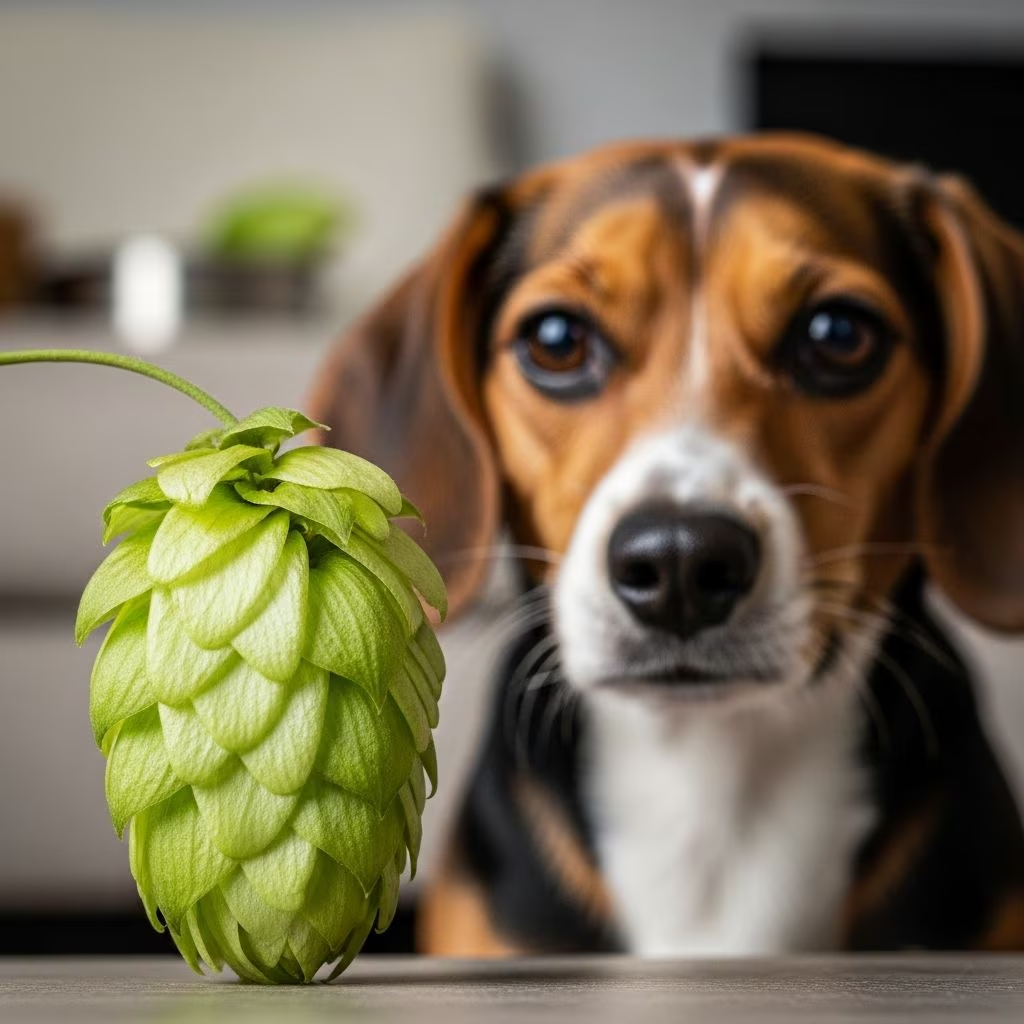
Are Hops Poisonous to Dogs?
Yes, hops are highly poisonous to dogs and can be potentially fatal. Hops, the fruit of the Humulus lupulus plant commonly used in beer production, pose a serious threat to canine health. As homebrewing has grown in popularity, veterinarians have observed an increasing number of cases of hops toxicity in dogs. Whether your dog encounters fresh hops on the bine, dried pellets, or spent brewing materials, all forms of hops present a significant danger to your pet’s health.
What Are Hops and Where Are They Found?
Hops are the dried flower cones of the Humulus lupulus plant, which brewers use as a flavoring and stability agent in beer production. They come in several forms that pet owners should be aware of:
- Fresh hops growing on bines (vines) in gardens or yards
- Dried hop flowers and pellets used in homebrewing
- Hop plugs and compressed forms
- Spent hops—the leftover mash after boiling—which remains toxic to dogs
The rising popularity of homebrewing has made hops more accessible in home environments, significantly increasing the risk of accidental ingestion by curious dogs. Many pet owners may not realize that their brewing hobby poses a health threat to their canine companions.
Why Are Hops Toxic to Dogs?
The exact mechanism of hops toxicity in dogs is not completely understood, but research suggests that hops trigger a condition similar to malignant hyperthermia in dogs. Malignant hyperthermia is characterized by uncontrolled calcium release in skeletal muscles, leading to severe complications. This condition causes an abnormal metabolic response that results in rapid, uncontrollable increases in body temperature and muscle rigidity.
The toxin affects dogs’ ability to regulate their core body temperature, creating a life-threatening emergency. Even small amounts of hops can trigger this response in susceptible dogs, and the severity can vary depending on the individual dog’s sensitivity, the amount ingested, and how quickly treatment is sought.
Clinical Signs and Symptoms of Hops Toxicity
Dogs that ingest hops can exhibit a range of symptoms, with signs typically appearing within 8 hours of ingestion. In a study of 177 dogs exposed to hops, clinical signs were observed in 74% of cases. The most common symptoms include:
- Malignant hyperthermia: Rapid, severe increase in body temperature, sometimes exceeding 108°F
- Tachypnea: Excessive panting and rapid, labored breathing
- Tachycardia: Elevated heart rate
- Restlessness: Anxiety and inability to settle down
- Muscle tremors and rigidity: Involuntary muscle contractions
- Seizures: In severe cases
- Vomiting: Gastrointestinal distress
- Signs of pain: Whining, crying, or other pain indicators
The fever associated with hops toxicity is particularly dangerous because it can damage multiple organ systems. In a retrospective analysis of 71 dogs with hops toxicosis, hyperthermia occurred in 96% of cases, with the most common presenting signs being hyperthermia and tachycardia. The severity of symptoms appears to correlate with the amount of hops ingested and how quickly the dog receives medical attention.
Risk Factors and Severity
Certain factors can influence the severity of hops toxicity in dogs. Research indicates that the amount of hops ingested plays a significant role in determining outcomes. Dogs that ingest larger quantities of hops typically experience more severe symptoms and have a higher mortality risk. Additionally, the time to presentation at a veterinary clinic is critical—dogs that arrive for treatment sooner have better survival rates than those with delayed presentation.
Individual dog sensitivity also varies. Some dogs may show severe reactions to relatively small amounts of hops, while others might tolerate larger quantities with less severe symptoms. Age, weight, and overall health status may also play roles in how a dog responds to hops toxicity, though more research is needed to fully understand these relationships.
Prognosis and Survival Rates
The prognosis for hops toxicity depends on how quickly the dog receives veterinary care and the severity of symptoms at presentation. In a retrospective study of 71 dogs with confirmed hops ingestion, 77% of the dogs survived with intensive veterinary treatment. However, the condition can be fatal if left untreated or if treatment is delayed.
In another larger study examining 177 cases, only 4 dogs died from hops ingestion, all of which exhibited severe hyperthermia consistent with malignant hyperthermia. The median time to death in non-surviving dogs was 10.7 hours after ingestion, ranging from 2 to 30 hours. Dogs that survive hops toxicity and receive appropriate treatment typically show complete resolution of clinical signs with no long-term effects.
Temperature and Mortality
Body temperature at the time of presentation is one of the most critical factors affecting survival. Research shows that after adjusting for cooling measures, time to presentation, and dantrolene administration, every degree of elevation in temperature was associated with a 78% increased chance of death. This finding underscores the importance of aggressive cooling measures and immediate veterinary intervention when hops toxicity is suspected.
What to Do If Your Dog Ingests Hops
If you suspect your dog has consumed hops, immediate action is critical. Here’s what you should do:
- Seek veterinary care immediately: Call your veterinarian or emergency veterinary clinic without delay
- Contact poison control: Call the ASPCA Animal Poison Control Center at 888-426-4435
- Provide information: Tell the veterinarian how much hops your dog ingested and when, if possible
- Do not delay: Time to presentation is a critical factor in survival—shorter times to treatment are associated with better outcomes
- Bring the hops packaging if available: This helps the veterinarian understand exactly what was ingested
Do not attempt home remedies or wait to see if symptoms develop. Even if your dog appears asymptomatic after ingesting hops, veterinary evaluation is essential because symptoms can develop within hours.
Treatment Options
Veterinary treatment for hops toxicity focuses on managing symptoms and preventing complications. Standard treatment approaches include:
- Aggressive cooling measures: Ice baths, IV fluids, and other cooling techniques to reduce core body temperature
- Supportive care: IV fluids, oxygen therapy, and monitoring of vital signs
- Symptom management: Medications to control seizures, reduce heart rate abnormalities, and manage pain
- Hospitalization: Most cases require intensive monitoring and care in a veterinary hospital
Interestingly, research has shown that certain medications such as dantrolene, cyproheptadine, and sedatives were not associated with improved survival outcomes in the retrospective studies analyzed. This suggests that supportive care and aggressive cooling are the primary treatment strategies, though veterinarians may use additional medications based on individual case presentations.
Prevention and Safety Measures
The best approach to hops toxicity is prevention. Here are key safety measures for pet owners who brew beer or grow hops:
- Store hops securely: Keep all forms of hops—fresh, dried, pellets, and plugs—in secure containers out of your dog’s reach
- Monitor homebrewing activities: Keep dogs away from the brewing area, especially during boiling and while spent hops are being disposed of
- Secure yard areas: If you grow hops plants, ensure they are fenced off or in areas where dogs cannot access them
- Proper disposal: Dispose of spent brewing materials where dogs cannot access them
- Educate family and guests: Make sure everyone in your household understands the danger and keeps hops away from dogs
- Keep emergency numbers handy: Have poison control and your veterinarian’s emergency contact information readily available
Other Animals and Hops Toxicity
While the focus of research has been on dogs, hops toxicity may affect other animals. It has been suggested that other species may suffer adverse effects from ingesting hops, though research to support this claim is not extensive. Cats have not been reported to experience hops poisoning, but it’s prudent to keep all hops away from any household pets.
Rising Awareness and Education
As homebrewing has become more popular, veterinary professionals have emphasized the need for continued education about hops toxicity. The increase in hops toxicity cases reported to poison control centers over recent years correlates with the growth of homebrewing as a hobby. Pet owners engaged in homebrewing must understand this critical safety issue and take appropriate precautions.
Frequently Asked Questions
Q: How much hops does it take to poison a dog?
A: There is no established safe amount of hops for dogs. Even small quantities can potentially trigger toxicity, and individual sensitivity varies. The median amount ingested in fatal cases was higher than in surviving cases, but any hops ingestion warrants immediate veterinary evaluation.
Q: Can a dog survive hops toxicity without veterinary treatment?
A: While some dogs may survive without veterinary intervention, survival rates are significantly higher with immediate veterinary care. In one study, 77% of treated dogs survived, emphasizing the importance of prompt professional attention. Dogs that don’t receive treatment face a much higher mortality risk.
Q: How quickly do symptoms appear after a dog ingests hops?
A: Symptoms typically appear within 8 hours of ingestion, though onset can vary. Some dogs may show signs within a few hours, while others might take up to 8 hours to develop symptoms. This is why immediate veterinary consultation is critical even if your dog appears normal after suspected ingestion.
Q: Are dried hops as dangerous as fresh hops?
A: Yes, both fresh and spent hops have been associated with poisoning in dogs, and all forms of hops—including dried flowers, pellets, and plugs—are considered toxic. The danger is not limited to any particular form of hops.
Q: What temperature is considered dangerous for a dog with hops toxicity?
A: Fevers exceeding 108°F are considered particularly dangerous in hops toxicity cases. Such high fevers can result in damage to and failure of organ systems. Even lower fevers can be problematic, and each degree of elevation increases mortality risk.
Q: Will my dog have permanent effects if it survives hops toxicity?
A: No. Dogs that survive hops toxicity and receive appropriate treatment typically show complete resolution of clinical signs with no long-term effects reported in the literature.
References
- Retrospective analysis of hops toxicosis in dogs (2002-2014) — Pfaff A, Sobczak BR, Babyak JM, O’Toole TE, Rozanski EA. Journal of Veterinary Emergency and Critical Care. 2022-01-01. https://pubmed.ncbi.nlm.nih.gov/34498796/
- A bitter brew: New research examines the toxic effects of a homebrewing staple on dogs — University of Minnesota College of Veterinary Medicine. 2023-10-09. https://vetmed.umn.edu/news/bitter-brew-new-research-examines-toxic-effects-homebrewing-staple-dogs
- Hops Toxicity and Dogs: Malignant Hyperthermia Risk — Animal Poisons Helpline. 2022-11-26. https://www.animalpoisons.com.au/news/hops-toxicity-and-dogs/
- PSA: Hops are Poisonous to Dogs — Homebrewers Association. https://homebrewersassociation.org/homebrew-community-culture/psa-hops-are-poisonous-to-dogs/



