

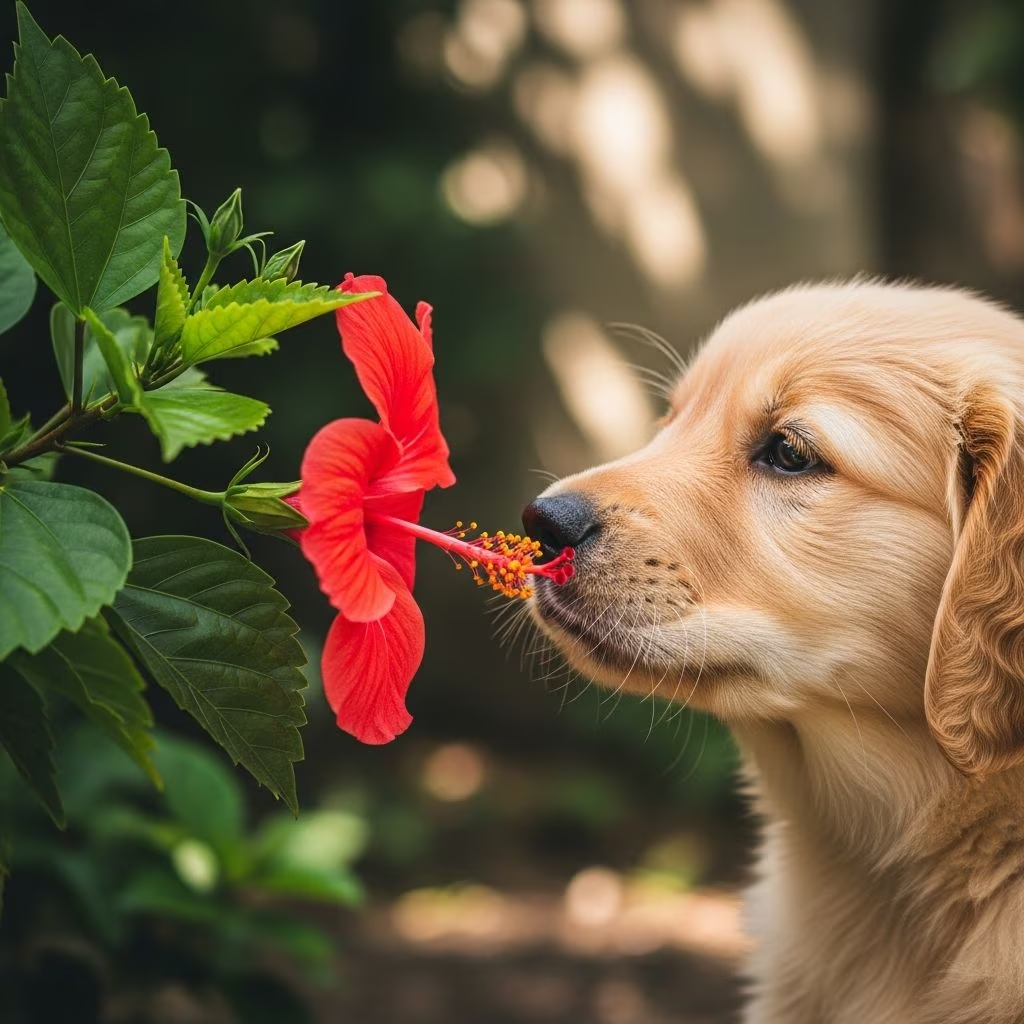
Hibiscus plants are popular for their vibrant flowers and tropical appeal, often found in homes and gardens. But if you share your space with a dog, you might wonder: are hibiscus toxic to dogs? The good news is that hibiscus is generally considered non-toxic to dogs by major veterinary sources. However, some dogs may experience mild gastrointestinal upset after nibbling on leaves, flowers, or stems. This reaction varies by individual dog, amount ingested, and hibiscus variety, with Hibiscus syriacus (rose of Sharon) being more likely to cause issues.
Understanding hibiscus toxicity helps pet owners make informed decisions about plant placement and respond quickly if their dog ingests any. This comprehensive guide covers why hibiscus might upset a dog’s stomach, symptoms to watch for, treatment protocols, and preventive strategies to keep your furry friend safe.
Why is hibiscus dangerous to dogs?
Hibiscus lacks known toxic components that pose severe risks to dogs, distinguishing it from highly poisonous plants like azaleas or sago palms. According to veterinary experts, no specific chemicals in hibiscus target canine systems fatally. Instead, danger arises from mild irritants that provoke gastrointestinal responses in sensitive dogs.
Some dogs chew plants out of boredom, curiosity, or nutritional cravings, leading to ingestion. Hibiscus’s fibrous leaves and petals can irritate the stomach lining, causing nausea or diarrhea. There’s no nutritional benefit to dogs eating hibiscus—no vitamins, minerals, or medicinal properties documented for canine health. Thus, prevention is key to avoid unnecessary vet visits.
Factors increasing risk include:
- Large quantities ingested: More plant material heightens irritation likelihood.
- Specific varieties: Rose of Sharon (Hibiscus syriacus) contains compounds more prone to causing symptoms than tropical hibiscus.
- Individual sensitivity: Puppies, seniors, or dogs with pre-existing GI issues react more strongly.
- Chemical exposure: Fertilizers or pesticides on plants amplify problems beyond natural plant effects.
Not all dogs show signs; many tolerate small nibbles without issue. However, since reactions are unpredictable, treat all ingestion as potential concerns.
What should I do if my dog has eaten hibiscus?
Don’t panic if your dog eats hibiscus—most cases resolve without intervention. Monitor closely for 24-48 hours, noting ingested amount, plant parts (leaves, flowers, stems), and any chemicals applied. Gather details like plant variety and time of ingestion for vet consultation if needed.
Diagnosing plant poisoning in dogs
Observe your dog directly chewing or find disturbed soil/vomit with plant bits as primary evidence. Symptoms appearing 1-12 hours post-ingestion suggest hibiscus involvement, especially if no other causes fit. Rule out unrelated issues like dietary indiscretion by correlating timing with plant access.
Contact a vet or poison hotline (e.g., ASPCA at 888-426-4435) promptly if symptoms emerge. Provide history for accurate assessment—early reporting prevents escalation.
Symptoms of hibiscus plant poisoning in dogs
Symptoms are typically mild and self-limiting, affecting the digestive tract. Common signs include:
- Drooling: Excessive saliva from nausea.
- Nausea: Lip licking, restlessness, or whining.
- Vomiting: One or more episodes, often with plant material.
- Diarrhea: Loose stools, possibly frequent.
Rose of Sharon ingestion may intensify symptoms, per reports from veterinary sites. Severity correlates with quantity; small amounts rarely cause more than brief discomfort. Watch for dehydration signs like dry gums or lethargy if vomiting/diarrhea persists.
Treatment for hibiscus poisoning in dogs
Veterinary care focuses on symptom relief, rarely requiring hospitalization. Protocols include:
- Anti-nausea meds: Like maropitant (Cerenia) to stop vomiting.
- GI protectants: Sucralfate for stomach lining soothing.
- Antidiarrheals: If needed, kaolin-pectin compounds.
- Fluid therapy: IV or subcutaneous for dehydration.
Most dogs recover within 12-24 hours outpatient. Home care for mild cases: withhold food 12 hours, offer bland diet (rice/chicken), ensure water access. Seek emergency care for persistent symptoms, blood in vomit/stool, or weakness.
The bottom line: Is hibiscus poisonous to my dog?
Hibiscus is not poisonous in the severe sense— no fatalities or organ damage reported. Mild to moderate GI upset occurs in some dogs, especially with rose of Sharon. Benefits don’t outweigh risks, so keep plants inaccessible. Opt for confirmed dog-safe alternatives like spider plants or Boston ferns.
Compare hibiscus to truly toxic plants:
| Plant | Toxicity Level | Symptoms in Dogs |
|---|---|---|
| Hibiscus (general) | Mild irritant | Vomiting, diarrhea |
| Rose of Sharon | Moderate irritant | Nausea, drooling, GI upset |
| Azaleas (Rhododendron) | Highly toxic | Vomiting, tremors, seizures, heart issues |
| Persian Cyclamen | Toxic | Drooling, vomiting, possible seizures |
Are There Dog-Safe Hibiscus Alternatives?
For hibiscus lovers, choose non-toxic substitutes:
- Petunia: Colorful, fully safe.
- Snapdragon: Mildly irritating at worst.
- Marigold: Repels pests, dog-friendly.
Always verify with ASPCA toxic plant list before planting.
Frequently Asked Questions (FAQs)
What happens if my dog eats hibiscus?
Many dogs experience nothing from small amounts, but some develop mild GI upset: nausea, vomiting, diarrhea. Monitor and contact vet if symptoms appear.
Can dogs eat hibiscus flowers?
No—flowers can cause GI signs. No health benefits justify feeding them; stick to dog-approved treats.
Are hibiscus plants poisonous to dogs if they smell them?
No, sniffing poses zero risk. Only ingestion is concerning.
Can I use shampoo with hibiscus on my dog?
Yes, if formulated for dogs. Avoid human shampoos; consult vet for skin conditions.
Is rose of Sharon toxic to dogs?
More likely to cause vomiting/diarrhea than other hibiscus; keep away.
How long do hibiscus poisoning symptoms last in dogs?
Typically 12-24 hours with supportive care.
References
- Toxic and Non-Toxic Plants – Hibiscus — ASPCA Poison Control. Accessed 2026. https://www.aspca.org/pet-care/aspca-poison-control/toxic-and-non-toxic-plants/hibiscus
- Are Hibiscus Plants Toxic to Your Dog? — Kinship. Accessed 2026. https://www.kinship.com/dog-health/are-hibiscus-toxic-to-dogs
- Rose of Sharon Poisoning in Dogs — WagWalking. Accessed 2026. https://wagwalking.com/condition/rose-of-sharon-poisoning
- Common House Plants Poisonous To Pets — Humane Society of Charlotte. Accessed 2026. https://humanesocietyofcharlotte.org/7-surprisingly-common-plants-that-are-poisonous-to-pets/



