

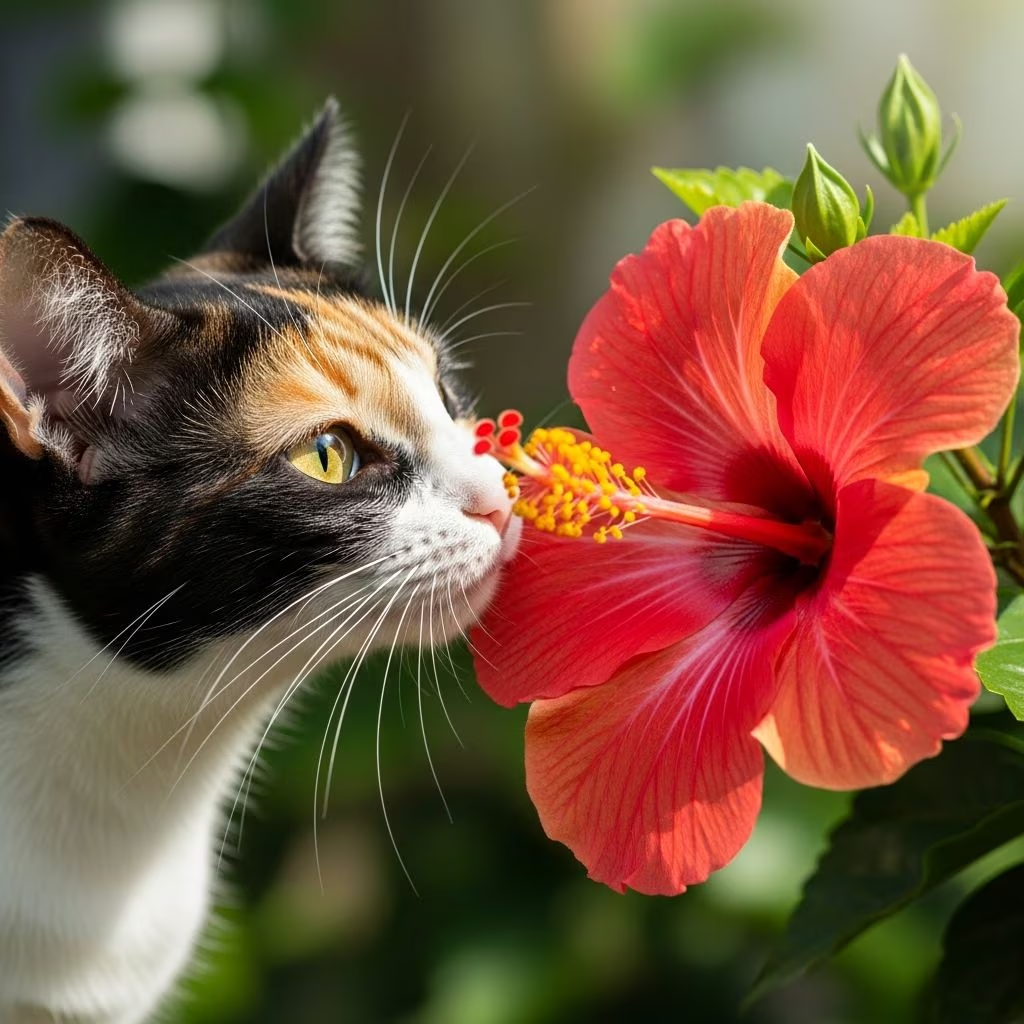
They’re pretty to look at, but can your cat be an admirer? Hibiscus plants, with their vibrant blooms, are popular in gardens, homes, and even culinary dishes like teas and garnishes. But for cat owners, the key question is safety: is hibiscus toxic to cats? According to veterinary experts, hibiscus is generally considered non-toxic to cats, lacking harmful chemicals or compounds that cause severe poisoning. However, this doesn’t mean it’s entirely risk-free. Some cats may experience mild gastrointestinal upset after nibbling on leaves, flowers, or stems. Understanding the nuances helps cat parents make informed decisions about keeping these plants around their feline friends.
In this comprehensive guide, we’ll break down the science behind hibiscus and cats, symptoms to watch for, immediate actions if ingestion occurs, and safer alternatives. Whether you’re a first-time cat owner or a seasoned pet parent with a green thumb, this article equips you with evidence-based knowledge to protect your cat while enjoying beautiful plants.
Can Cats Eat Hibiscus?
Hibiscus plants, belonging to the Malvaceae family, do not contain toxic principles that threaten a cat’s life. The ASPCA lists hibiscus (Hibiscus syriacus) as non-toxic to cats, dogs, and horses. This classification means there’s no risk of organ damage, neurological issues, or fatal outcomes from consumption. Veterinary sources like Kinship confirm that hibiscus lacks harmful compounds, making it safer than many ornamental plants.
That said, ‘non-toxic’ doesn’t equate to ‘completely harmless.’ Cats have sensitive digestive systems, and hibiscus can act as an irritant. Some felines tolerate small nibbles without issue, while others develop mild to moderate gastrointestinal upset. Symptoms arise because plant fibers and natural compounds in hibiscus aren’t part of a cat’s carnivorous diet. The plant offers no nutritional benefits—no vitamins, fiber, or hydration value tailored for cats. Feeding hibiscus, even as a garnish, is discouraged to avoid preventable discomfort.
Varieties matter too. Common hibiscus like Hibiscus rosa-sinensis are low-risk, but Rose of Sharon (Hibiscus syriacus) may provoke stronger reactions in sensitive cats due to higher irritant levels. Indoor potted hibiscus or outdoor garden plants pose the same risks. The best practice? Prevent access altogether. Use barriers, elevate plants, or opt for cat-safe alternatives to eliminate any chance of upset.
Why do cats nibble plants? Theories include curiosity, playfulness, nutritional gaps (like fiber deficiency), or soothing hairballs and tummy woes. Indoor cats, lacking outdoor forage, often target houseplants. Discouraging this behavior through redirection—offering cat grass or toys—reduces risks across all plants.
What Should I Do If My Cat Has Eaten Hibiscus?
Act swiftly if you catch your cat munching hibiscus. First, remove access: relocate the plant, cover it, or confine your cat to a safe area. This prevents further ingestion, as larger quantities heighten symptom likelihood. Monitor closely for 24-48 hours, noting the amount eaten—small tastes are less concerning than full leaves or flowers.
Observe for gastrointestinal signs, which typically appear within hours. Contact your veterinarian if symptoms emerge or persist, especially if your cat shows lethargy, refuses food, or dehydration signs. Most cases resolve without intervention, but professional advice ensures peace of mind. Vets may recommend observation, fluids, or anti-nausea meds based on severity.
Symptoms of Hibiscus Plant Poisoning in Cats
Not every cat reacts, but when they do, effects are digestive-focused. Here’s a breakdown:
- Nausea: Lip licking, discomfort, or hiding.
- Drooling: Excessive saliva from irritation.
- Vomiting: One-off or repeated, often with plant bits.
- Diarrhea: Loose stools, possibly with mucus.
Symptoms are dose-dependent: a single petal might cause nothing, while a handful could trigger full upset. Unlike true toxins, there’s no cardiac, respiratory, or neurological involvement. If symptoms exceed mild GI issues—like tremors or breathing difficulty—rule out other causes or mixed plant ingestion.
The Bottom Line: Is Hibiscus Poisonous to My Cat?
To summarize: hibiscus is not poisonous to cats. No toxic compounds mean no life-threatening risks, per ASPCA and vet consensus. However, potential for vomiting, diarrhea, or nausea makes it unwise to encourage consumption. All parts—flowers, leaves, stems—are equally irritating; no ‘safer’ section exists. Rose of Sharon varieties may pose slightly higher upset risk.
Proactive cat-proofing is key. Deterrents like citrus sprays, aluminum foil around pots, or motion-activated air puffs work well. For multi-pet homes, prioritize safety over aesthetics.
Household Plants That Are Toxic to Cats
While hibiscus is safe-ish, many popular plants aren’t. Here’s a comparison table of common household plants:
| Plant | Toxicity to Cats | Symptoms |
|---|---|---|
| Hibiscus | Non-toxic (mild GI upset possible) | Vomiting, diarrhea |
| Daffodils (Narcissus spp.) | Toxic | Vomiting, diarrhea, tremors, heart issues, seizures |
| Bird of Paradise (Strelitzia reginae) | Toxic | GI upset, lethargy (fruit/seeds worst) |
| Lilies (Lilium spp.) | Highly toxic | Kidney failure, death |
| Tulips (Tulipa spp.) | Toxic | Vomiting, depression, seizures (bulbs worst) |
Avoid these entirely. The ASPCA Poison Control database is your go-to for checks.
Cat-Safe Plants for Your Home
Embrace greenery without worry. These are vet-approved non-toxic options:
- Friendship Plant: Soft leaves, air-purifying.
- Venus Fly Trap: Fun, insect-eating novelty.
- Impatiens: Colorful, shade-loving.
- Spider Plant: Hardy, dangling foliage.
- Bamboo Palm: Tropical vibe, low-maintenance.
- Swedish Ivy: Trailing, non-invasive.
- Purple Passion Vine: Velvety texture cats love.
- Jacob’s Ladder: Delicate, safe blooms.
These provide nibble alternatives, aiding digestion or boredom relief. Start small to test tolerance.
Frequently Asked Questions (FAQs)
What happens if my cat eats hibiscus?
Small amounts often cause no issues, but some cats get nausea, drooling, vomiting, or diarrhea. Monitor and call vet if persistent.
Can cats eat hibiscus flowers?
Flowers are as risky as other parts for GI upset. Avoid feeding any portion.
Are hibiscus plants poisonous to cats if they smell them?
No toxicity from sniffing alone, but proximity invites bites. Keep out of reach.
Is Rose of Sharon safe for cats?
Hibiscus syriacus (Rose of Sharon) is non-toxic per ASPCA but may cause more GI issues than other varieties.
How long do hibiscus ingestion symptoms last in cats?
Typically 24-48 hours; vet if longer.
What if my cat ate a lot of hibiscus?
Increased symptom risk. Remove plant, monitor, and seek vet care promptly.
This FAQ addresses common searches, helping cat owners quickly assess risks.
Preventing Plant Ingestion in Cats
Beyond hibiscus, foster a cat-safe environment. Provide cat grass (wheatgrass or oat grass) for natural fiber. Enrich with scratching posts, puzzle feeders, and vertical spaces to curb boredom-chewing. Train with positive reinforcement: redirect to toys upon plant approach. Regular vet check-ups catch dietary deficiencies early.
For gardens, fence off areas or use pet-safe repellents. Indoor growers benefit from hanging baskets or shelves. Education empowers: bookmark ASPCA’s plant list and share with household members.
In rare cases, persistent plant-eating signals health issues like pica or GI disorders. Consult vets for tailored advice.
References
- Are Hibiscus Flowers Toxic to Cats? — Kinship (Dr. Alycia Washington, DVM, MS). 2023. https://www.kinship.com/cat-health/are-hibiscus-flowers-toxic-to-cats
- Hibiscus – Toxic and Non-toxic Plants — ASPCA. Accessed 2026. https://www.aspca.org/pet-care/aspca-poison-control/toxic-and-non-toxic-plants/hibiscus
- Is Hibiscus Poisonous to Cats? Vet-Reviewed Houseplants Examined — Catster. 2023. https://www.catster.com/cat-health-care/is-hibiscus-poisonous-to-cats/
- Guide to Poisonous Plants — Colorado State University. Accessed 2026. https://csuvth.colostate.edu/poisonous_plants/
- North Carolina Extension Gardener Plant Toolbox — NC State University. Accessed 2026. https://plants.ces.ncsu.edu/plants/hibiscus-syriacus/



