

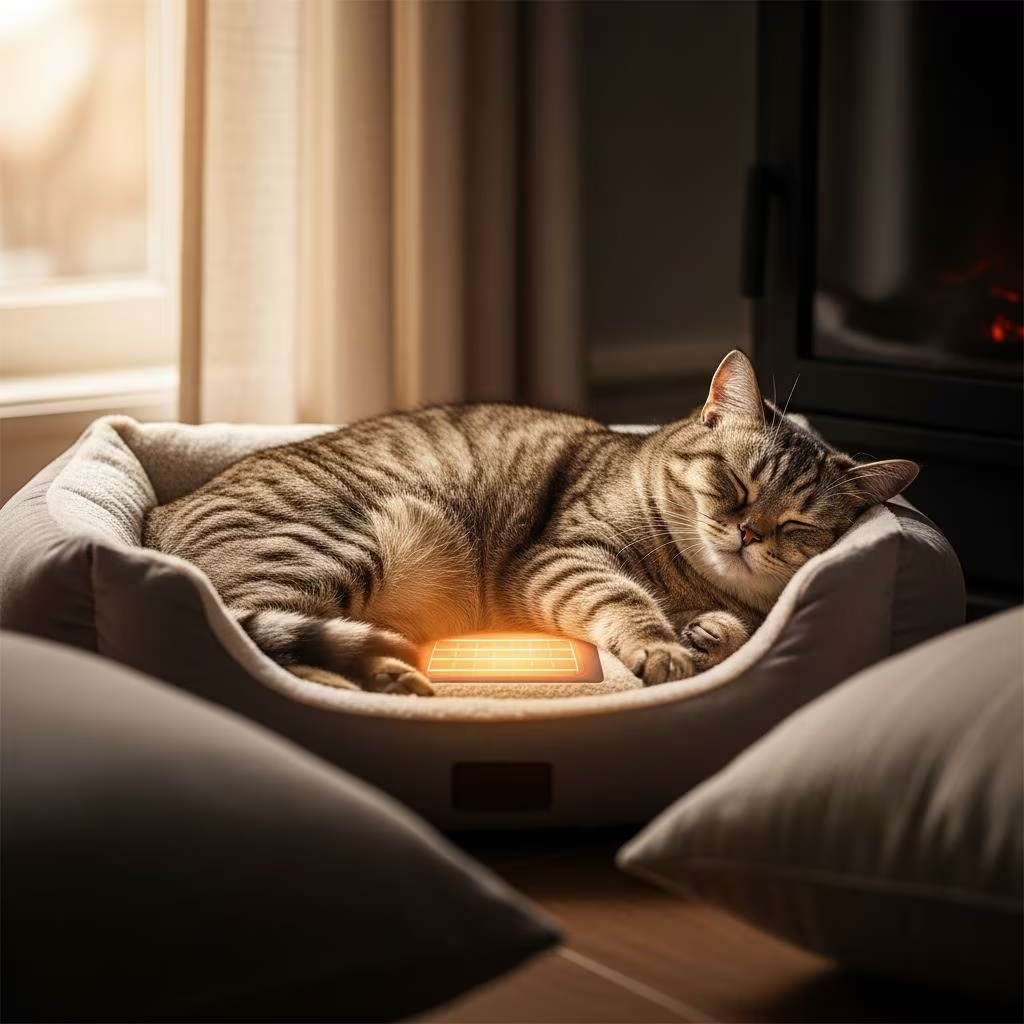
Are Heated Cat Beds Safe? Can They Be On All the Time?
Heated cat beds are becoming increasingly popular among cat owners looking to provide comfort and warmth to their feline companions. But are they safe for cats? The short answer is yes—heated beds are safe for cats, and they can help keep your pet warm in many circumstances. However, before you rush out to purchase one, there are several important considerations and guidelines you should understand to ensure your cat’s safety and well-being.
Understanding How Heated Cat Beds Work
To evaluate the safety of heated cat beds, it’s helpful to understand how they function. Heated cat beds primarily come in two main types: self-heating beds and electric beds. Each operates differently and offers distinct advantages and considerations for pet owners.
Self-heating beds work similarly to emergency mylar blankets and contain a thin reflective thermal sheet inside. This metallic layer radiates your cat’s body heat back at them, maintaining cats at their natural body temperature of approximately 102 degrees Fahrenheit. Because they are cordless and pose no risk of electric shock, self-warming beds make an excellent choice for heavy chewers or more rambunctious kittens.
Electric heated cat beds, by contrast, feature low wattage and an internal thermostat to ensure that heat does not reach dangerous levels. When plugged in, these beds typically hover around 10 to 15 degrees above room temperature. This higher heat helps attract cats who might otherwise ignore a new bed. Electrically heated beds run on low wattage, and most models are safe to leave plugged in 24/7.
The 5 Reasons Why Heated Cat Beds Are Beneficial
Some might think that heated cat beds are unnecessary luxuries for the average housecat. However, there are compelling reasons to consider investing in one for your feline friend:
- Winter Warmth: Heated cat beds help keep your pet warm during cold winter months, providing comfort and reducing stress from temperature fluctuations.
- Senior Cat Support: Older cats can benefit significantly from heat to help with circulation as their bodies age, improving mobility and comfort levels.
- Hairless and Shaved Cats: Hairless breeds or cats that have been shaved can benefit tremendously from the extra heat provided by specialized beds.
- Post-Operative Care: After an operation or illness, a cat can use a heated bed to promote healing and provide comfort during recovery periods.
- Outdoor Cat Comfort: Outdoor cats, stray cats, and feral cats benefit from having a safe and warm place to sleep, improving their overall health and survival rates.
Veterinary Perspective on Heated Cat Beds
According to veterinary experts, heated beds can be important for any cat living in cold conditions and can be a boon to cats who have trouble thermoregulating. A heated cat bed makes sense in several specific scenarios.
Kittens, for one, can benefit from the extra warmth provided by heated beds. As rescue organizations can attest, kittens need significant warmth—for instance, a cold kitten has trouble properly digesting milk or formula. Senior cats who struggle to retain the body heat needed for optimal metabolism make good candidates for heated beds, as do arthritic cats who find the heat soothing and therapeutic.
However, it’s crucial to recognize that these more vulnerable cats will need careful monitoring during use because of their limited mobility and potential health complications.
Risks of Using a Heated Cat Bed
It’s no secret that cats like to sleep in warm places. In the wild, they seek out sunny spots to curl up in, and domestic cats enjoy a warm bed on a cold day. Nevertheless, there are risks to watch out for before using a heated cat bed.
Cats can easily overheat or become dehydrated on an artificially heated bed, which can be dangerous or even fatal. The main risk when using an electric bed is if your cat is chewing the cords or scratching the surface that holds the heating elements. Make sure your cat can move away from the bed if they feel too hot, and if your pet has difficulty moving independently, a heated cat bed may not be the right choice.
Do not use the bed in a confined space or a crate where the cat cannot choose to move away from the heat source. Careful monitoring of the heat inside the bed or using a bed with a thermostat are good ways to ensure your pet remains safe and healthy.
Types of Heated Cat Beds and Their Safety Profiles
Thermal Pet Beds
Generally speaking, the safest option for your cat is a thermally heated cat bed. They use radiant heat, which is a type of heat that comes from objects that are warm to the touch. This differs from other heating methods, like electricity or heating elements, which can be dangerous if used improperly.
The materials used in thermal beds reflect your pet’s body heat, and the bed will not rise above your cat’s body temperature. This allows for natural self-regulation of the overall temperature in the bed. With a thermal bed, your kitty is less likely to become accidentally overheated. Another benefit of a thermal bed is that it does not use electrical wiring, making it safe to use around pets prone to chewing on wires and making it easy to move from room to room.
Electric Heated Beds
Most electric beds have a thermostat so you can easily set and monitor the desired temperature. Never set it higher than a cat’s natural body temperature, and check the manufacturer’s suggestions for the correct heat settings. This is important to avoid the risks of overheating mentioned before.
Even with a thermostat, you must monitor the bed’s temperature to ensure it is safe for your cat, or at the very least, observe your cat for the first few hours in the bed. Most importantly, only use an electric bed intended for cats! Human heating pads designed for people are dangerous for cats and should never be used as substitutes.
Outdoor Heated Beds
If you’re concerned about an outdoor feral cat, or you’d like to get more mileage out of your catio in the colder months, an outdoor heated cat bed can help. These beds incorporate features like sturdy claw-resistant covers and steel-wrapped cords to make them outdoor-safe. The K&H Lectro-Soft Bed, for instance, is tested and certified by MET labs to exceed electrical safety standards in the U.S. and Canada.
Important Safety Guidelines for Using Heated Cat Beds
To ensure the safe use of heated cat beds, follow these essential guidelines:
- Follow Manufacturer Directions: Some beds can’t use an extension cord, some warn against putting blankets on top, and others recommend time limits.
- Outdoor Use Requirements: When outside, only use heated beds approved for outdoor use.
- Escape Routes: Always ensure your cat can freely move away from the heated bed if they get uncomfortable or too hot.
- Weather Protection: Even though most outdoor beds are waterproof or water-resistant, they should still be placed under some kind of shelter such as a porch, shed, barn, or garage.
- Regular Inspection: Beds should be checked periodically for signs of wear or damage.
- Cat-Specific Products Only: Only use heated beds made specifically for cats—a human heating pad can get too hot, and cat beds include safety features like claw-resistant covers and low wattage.
Special Considerations for Microwavable Heating Pads
If you’re considering using a microwavable heating pad, extra caution is required. Microwavable heating pads can become very hot when heated, and adjusting the temperature to a specific degree is difficult. Make sure you test the pad with your skin once you have heated it. Once it has cooled enough for you to maintain direct contact with your skin without feeling too hot, it is safe to put it in your pet’s bed.
Try using a fabric cover or a thin blanket between the heating pad and the cat. If the heating pad is too hot, it can burn your cat’s skin, which is especially true for hairless cats or cats that have been shaved due to surgery.
Human Heating Pads Are Not Safe for Cats
While it might be tempting to repurpose your heating pad for your cat, it’s inadvisable to do so. Some heating pads for humans may have a higher internal thermostat threshold, which can be too high for cats and could potentially lead to thermal burns. Electric heating pads designed for humans pose a burn risk, and they may not be entirely pet-proof.
Safety features built into cat-specific heated beds—such as lower wattage, internal thermostats, and claw-resistant covers—are absent in human heating pads, making them unsuitable and dangerous for feline use.
Best Candidates for Heated Cat Beds
Based on expert recommendations, a heated bed will work best for the following cats:
- Cats who live in cold climates or chilly indoor environments
- Thin or hairless cat breeds
- Outdoor, stray, or feral cats needing shelter and warmth
- Kittens who need additional warmth for proper development and digestion
- Senior cats and arthritic cats who benefit from therapeutic heat
- Cats recovering from surgery or injury during their healing process
Final Verdict: Can a Heated Cat Bed Help My Chilly Kitty?
Heated cat beds are effective and generally safe—provided you follow the manufacturer’s guidelines and keep an eye on kittens, chewers, and less-mobile senior cats. These beds can significantly improve your cat’s comfort, sleep quality, and overall well-being when used responsibly.
Frequently Asked Questions (FAQs)
Q: Can heated cat beds be left plugged in all the time?
A: Yes, most electrically heated cat beds with internal thermostats can be safely left plugged in 24/7. Models designed for cats, like the K&H Thermo-Kitty, are thermostatically controlled and safe for continuous use.
Q: Are self-warming beds as effective as electric beds?
A: Self-warming beds work by reflecting your cat’s own body heat and are safest for chewers since they require no electricity. However, electric beds provide more consistent warmth and are better for older cats or those living in very cold conditions.
Q: What temperature should a heated cat bed be set to?
A: Never set the temperature higher than a cat’s natural body temperature of 102 degrees Fahrenheit. Always follow the manufacturer’s temperature recommendations to prevent overheating risks.
Q: Can I use a human heating pad for my cat?
A: No, human heating pads should never be used for cats. They can reach temperatures that are too high and may cause thermal burns. Always use heating products designed specifically for cats.
Q: Are heated cat beds safe for kittens?
A: Yes, kittens can benefit from heated beds as they help with proper digestion and development. However, kittens require careful monitoring to prevent overheating.
Q: What should I do if my cat seems to be overheating?
A: Ensure your cat can freely move away from the bed at any time. Watch for signs of discomfort or excessive panting. If your cat has mobility issues, carefully monitor their time on the heated bed or consider an alternative warming option.
Q: Are outdoor heated cat beds weatherproof?
A: Most outdoor heated cat beds are water-resistant or waterproof, but they should still be placed under shelter like a porch, shed, barn, or garage for optimal protection and longevity.
References
- Do Heated Cat Beds Help Cats—And Are They Safe? Experts Answer — Rover. https://www.rover.com/blog/are-heated-cat-beds-safe/
- Are Heated Cat Beds Safe? Vet-Reviewed Benefits & Risks — Hepper. https://articles.hepper.com/are-heated-cat-beds-safe/
- Are Heated Cat Beds Safe? Can They Be On All the Time? — Catster. https://www.catster.com/cat-health-care/are-heated-cat-beds-safe/
- Indoor Cat Comfort: Are Heated Cat Beds Safe to Leave Plugged In — K&H Pet Products. https://khpet.com/blogs/cats/indoor-cat-comfort-are-heated-cat-beds-safe-to-leave-plugged-in
- Why Does My Cat Need a Heated Cat Bed? — Knead Cats. https://kneadcats.com/blogs/news/why-does-my-cat-need-a-heated-cat-bed



