

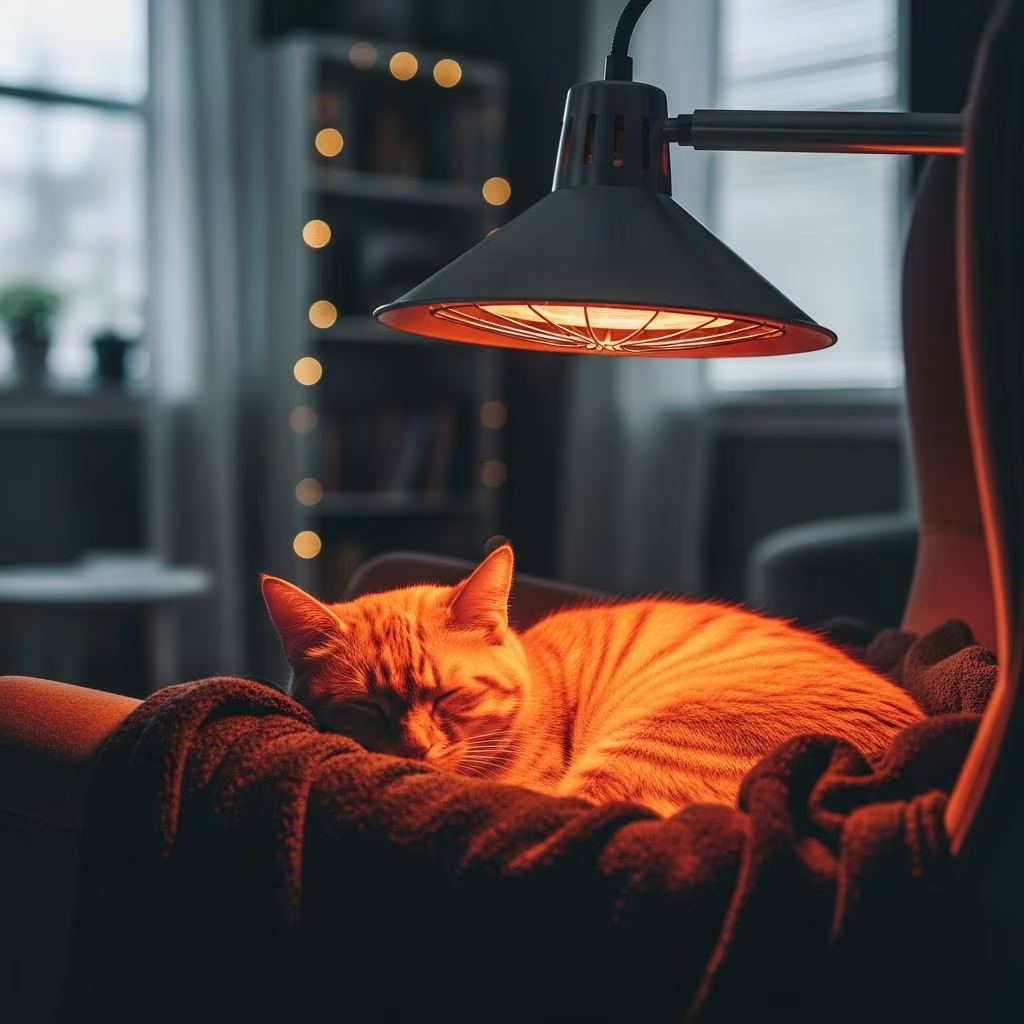
Cats love warmth, often curling up in sunny spots or near heaters, making heat lamps an appealing option for extra coziness, especially in cold weather. However, while heat lamps can provide beneficial supplemental heat, they pose significant risks like burns, fires, and electrical hazards if not managed properly. This comprehensive guide examines the safety of heat lamps for cats, drawing from expert veterinary insights and practical guidelines to help you decide if they’re right for your feline and how to use them securely—or explore better alternatives.
Understanding Heat Lamps and Their Use for Cats
Heat lamps emit infrared radiation to produce focused warmth, mimicking sunlight that cats naturally seek for comfort and thermoregulation. Domestic cats, particularly breeds like Sphynx or those with thin fur, elderly cats with arthritis, newborns, or recovering sick felines, benefit from controlled warmth to maintain optimal body temperature around 100.5–102.5°F. For outdoor or feral cats in winter, heat lamps in insulated shelters can be lifesaving, but indoor use requires extra caution due to confined spaces and curious behavior.
These devices are common in reptile habitats where they’re mounted out of reach, but cats’ agility—jumping up to 5–6 times their height—makes secure installation challenging. Wattage matters: indoor spaces typically need 150–250 watts, while outdoor setups may require 250–400 watts based on climate and enclosure size. Always prioritize lamps with guards, thermostats, and auto-shutoff features to minimize risks.
Benefits of Heat Lamps for Cats
When used correctly under supervision, heat lamps offer targeted advantages:
- Supplemental warmth for cold-sensitive cats: Ideal for hairless breeds, seniors with joint pain, or kittens unable to regulate temperature.
- Support during recovery: Provides gentle heat for post-surgery or ill cats to aid healing and comfort.
- Outdoor shelter heating: Helps feral or barn cats survive harsh winters when combined with insulation.
- Energy efficiency: Affordable to run compared to whole-room heaters, focusing heat where needed.
Studies on animal thermoregulation confirm cats seek 86–97°F environments for lounging, and heat lamps can replicate this without overtaxing home heating systems.
Are Heat Lamps Dangerous for Cats? Critical Risks Explained
Despite benefits, heat lamps carry serious dangers, primarily from high surface temperatures exceeding 200°F, flammable materials, and electrical issues. Key risks include:
- Burns and scalds: Bulbs can cause second- or third-degree burns on contact; cats with singed fur, red skin, blisters, or reluctance to touch affected areas need immediate vet care.
- Fire hazards: Overturned lamps ignite bedding, curtains, or dry fur; poor-quality fixtures with weak connections amplify risks, contributing to barn fires in livestock settings.
- Electrical shocks: Chewed cords lead to electrocution or sparks; exposed wiring invites playful investigation.
- Overheating: Poor ventilation in small spaces causes excessive heat buildup, leading to heatstroke symptoms like panting, lethargy, drooling, or vomiting.
Veterinarians warn against unsupervised use, especially overnight, as cats’ nocturnal activity increases accident odds. Active, curious, or multi-cat homes heighten dangers due to knocking or piling behaviors.
Safe Installation and Usage Guidelines for Heat Lamps
To mitigate risks, follow these vet-recommended protocols:
- Secure mounting: Clamp to ceilings or walls 18–24 inches above the cat’s reach; use heavy-duty hardware rated for heat lamps.
- Protective barriers: Install wire guards or ceramic shields enclosing the bulb; avoid direct line-of-sight exposure.
- Wattage selection: Match to space—150–250W indoors, higher for outdoors; test with a thermometer to maintain 85–95°F gradient.
- Cord management: Conceal with spiral wraps or conduit; opt for 16-foot anti-chew cords.
- Ventilation and timers: Ensure airflow; use thermostats (set to 90°F) and timers for 4–6 hour cycles.
Position away from water, flammables, and escape-proof—cats must retreat if too hot. Supervise initial sessions and never leave on unattended, especially at night.
Signs of Problems: Monitoring Your Cat and Equipment
Vigilance prevents disasters. Watch for:
| Issue | Signs in Cat | Equipment Checks |
|---|---|---|
| Burns/Overheating | Panting, drooling, lethargy, singed fur, blisters | Surface temp >140°F, no gradient |
| Fire Risk | Smell of burning, alarm triggers | Loose fixtures, frayed cords |
| Electrical Fault | Sudden flickers, shocks | Exposed wires, chew marks |
Inspect weekly: clean dust (fire fuel), test thermostats, replace bulbs preemptively. Use smoke detectors and fire extinguishers nearby. If issues arise, discontinue use immediately.
Safer Alternatives to Heat Lamps for Warming Cats
Given risks, many experts recommend these low-hazard options:
- Heated pet beds: Thermostatic models like Snuggle Safe maintain safe temps with auto-shutoff; plug-in or microwaveable.
- Self-warming pads:
- Infrared panels: Wall-mounted, cool-to-touch, even heat distribution.
- Thermal blankets: Insulating fabrics trap warmth; layer for burrowing.
- Microwaveable pads: Vet-approved, provide 10+ hours of gentle heat per charge.
Reflect body heat via mylar lining—no electricity needed.
For outdoor cats, combine insulated houses with electric pads or self-warmers. These eliminate fire/burn risks while delivering reliable comfort.
Frequently Asked Questions (FAQs)
Are heat lamps safe for cats if installed properly?
Yes, with secure mounting 18+ inches away, guards, thermostats, and supervision, but alternatives are often safer long-term.
What wattage heat lamp for indoor vs. outdoor cats?
Indoor: 150–250W; outdoor: 250–400W, adjusted for space/climate. Monitor temps closely.
Can I leave a heat lamp on overnight for my cat?
No—unattended overnight use is unsafe due to fire/burn risks. Use timers or switch to heated beds.
What are signs my cat is burned or overheated from a heat lamp?
Look for panting, drooling, lethargy, singed fur, red skin, or blisters. Seek vet care promptly.
What are the best heat lamp alternatives for cats?
Heated beds, self-warming pads, infrared panels, and microwaveable discs offer safer, supervised-free warmth.
Final Thoughts on Keeping Your Cat Warm Safely
Heat lamps can warm cats effectively but demand rigorous safety measures to avoid burns, fires, and shocks. Prioritize supervision, quality equipment, and monitoring—or opt for foolproof alternatives like heated beds for peace of mind. Consult your vet for tailored advice, especially for vulnerable cats. With smart choices, your feline can stay toasty through any season.
References
- Heat Lamp Safety for Cats: Essential Guide — PetsCare.com. 2024-01-15. https://www.petscare.com/news/post/heat-lamp-safety-cats-guide
- Are Heat Lamps Safe for Cats? Vet Approved Facts, Safety Guide — Hepper. 2024-05-20. https://articles.hepper.com/are-heat-lamps-safe-for-cats/
- How to Keep Your Cat Warm with a Heated Outdoor Cat House — TheCattopia. 2023-11-10. https://www.thecattopia.com/blog/how-to-keep-your-cat-warm-with-a-heated-outdoor-cat-house/
- Heat Lamp Safety — PBS Animal Health. 2024-02-28. https://www.pbsanimalhealth.com/blog/learning-center/b/heat-lamp-safety/
- Feline Heat Safety — Cornell University College of Veterinary Medicine. 2023-06-12. https://www.vet.cornell.edu/departments-centers-and-institutes/cornell-feline-health-center/health-information/feline-health-topics/feline-heat-safety



