

Are Hamster Balls Safe? What to Know for Your Pet
Hamster balls have been marketed for decades as a convenient way for pet hamsters to exercise and explore outside their cages. However, modern animal welfare research and expert guidance suggest these devices may pose more risks than benefits to your small pet. While they have historically been promoted as safe exploration tools, many animal welfare experts and rescue organizations now question their appropriateness for hamster care. Understanding the actual safety concerns and exploring better alternatives can help you make informed decisions about your hamster’s exercise and enrichment needs.
How Does a Hamster Ball Work?
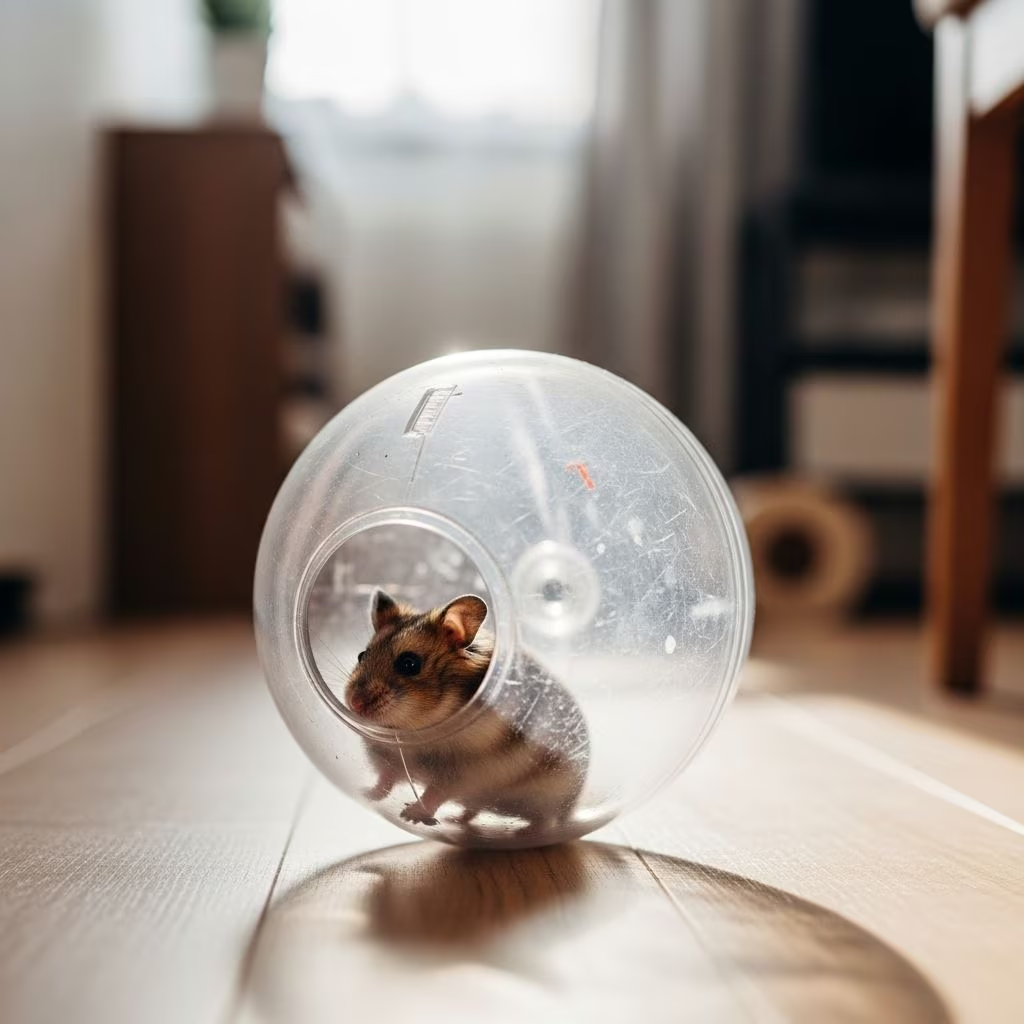
Hamster balls are constructed from translucent plastic and designed as hollow spheres available in various sizes. When a hamster is placed inside, it can roll around your home or yard by running naturally within the sphere. The ball’s design allows your pet to exercise and spend time outside their cage while supposedly preventing escape risks. The mechanism is straightforward: as the hamster walks or runs, the ball rolls in the direction of movement, allowing your pet to explore a larger area than their cage permits. Despite their simple functionality, these devices have become increasingly controversial among veterinarians and animal welfare organizations.
Are Hamster Balls Safe?
The short answer is no. According to veterinary professionals and animal welfare organizations, hamster balls come with significant safety and welfare concerns that outweigh their recreational benefits. Dr. Georgina Ushi, a veterinarian in Tampa Bay, Florida, explains that “hamster balls may look like a fun way for a pet to exercise, but they come with a lot of risks and not much benefit. Most hamsters find them confusing or stressful, and they can’t really control where they’re going.” Understanding the specific dangers is essential for responsible pet ownership.
Poor Ventilation
One of the most significant risks associated with hamster balls is inadequate ventilation. Many commercial hamster balls have insufficient airflow, which can lead to dangerous temperature buildup inside the enclosed space. When ventilation slits are too small or too few in number, heat accumulates along with ammonia gas from urine excretion. This combination can irritate your hamster’s eyes, respiratory tract, and skin, potentially causing serious health complications during extended use. Dark-colored balls are particularly problematic, as they absorb and trap more heat than lighter-colored alternatives.
Restriction of Senses
Hamsters rely heavily on their senses of smell and touch to navigate and understand their environment, as they naturally have poor eyesight. When enclosed in a plastic ball, these critical sensory abilities are severely compromised. The solid plastic construction blocks the hamster’s access to crucial olfactory and tactile information that they depend on to feel safe and oriented. This sensory deprivation can create significant stress and anxiety, as your hamster loses the ability to gather information about their surroundings through their preferred means of exploration.
Paw Injuries
Hamster paws are extraordinarily tiny and delicate, making them vulnerable to injury from even small imperfections in the ball’s construction. Even the smallest ridges, divots, or air holes present genuine hazards to little paws, especially when the ball is moving quickly. When a hamster’s tiny toes or feet become trapped in these openings, injuries ranging from mild bruising to severe lacerations can occur. Additionally, research has documented instances where hamster claws are caught and ripped out in the ball’s slits, resulting in painful and potentially infected injuries.
Lack of Control
Once a hamster ball picks up momentum, it essentially becomes a projectile that the hamster cannot effectively control or stop. With their poor eyesight and the restricted sensory input inside the ball, hamsters become disoriented and helpless as the ball rolls with increasing speed. They often end up colliding repeatedly with furniture and walls, causing distress and potential physical injury. The hamster’s natural instinct is to run forward, but inside the ball, this natural behavior results in uncontrolled movement in whatever direction the ball happens to roll.
Stress and Anxiety
The psychological impact of hamster balls should not be underestimated. Most hamsters do not understand what is happening when placed in a ball, and the experience creates considerable stress rather than enrichment. The inability to control direction or pace, combined with the loss of sensory cues that normally help them feel safe, transforms what appears to be a fun activity into a potentially traumatic experience. Signs of stress in hamsters include hyperactivity, compulsive or aggressive behaviors, hair loss, vocalization, salivation, muscle tremors, or rigidity.
Spinal Injuries
Hamster balls that are too small for your pet’s size can cause serious spinal damage similar to that caused by inappropriately-sized exercise wheels. If the ball’s diameter is too small, your hamster must arch their back unnaturally while running, creating cumulative stress on the spine and vertebrae. This can result in chronic pain, mobility issues, and long-term health complications.
Are Hamster Balls Ever OK?
While some sources suggest that hamster balls can be used safely with proper precautions, major animal welfare organizations including the RSPCA and Blue Cross strongly recommend against their use entirely. The Blue Cross explicitly states that “hamster exercise balls must not be used as your hamster can quickly become exhausted and won’t be able to escape. They do not allow good ventilation and the hamster cannot access their food, water or a safe hiding place while they’re in them.”
If you choose to use a hamster ball despite these recommendations, several precautions are essential:
- Match the ball size to your hamster’s full-grown size to prevent spinal compression
- Choose a lighter-colored ball to minimize heat absorption
- Ensure adequate ventilation with sufficiently sized and numerous air holes
- Allow your hamster to choose when to start running—never force the ball to roll
- Supervise use closely and remove your hamster immediately if signs of fear or distress appear
- Prevent access to stairs or elevated areas where the ball could roll and fall
- Keep the exercise area clear of obstacles and barricaded
- Never use the ball for extended periods
- Ensure the ball closes securely to prevent accidental falls and injuries
Even with these precautions, the inherent design flaws of hamster balls make them problematic for most hamsters.
What Are Other Ways for My Hamster to Exercise?
Fortunately, numerous safer alternatives provide excellent exercise and enrichment without the risks associated with hamster balls. These options allow hamsters to engage in natural behaviors while maintaining better sensory awareness and control.
Exercise Wheels
A properly-sized exercise wheel is generally considered a safer alternative to hamster balls. Wheels allow your hamster to run continuously while maintaining their natural orientation and control. The key is selecting a wheel with an appropriate diameter for your specific hamster species—typically 8-12 inches depending on whether you have a dwarf or Syrian hamster. Solid surfaces are safer than mesh to prevent leg injuries.
Supervised Playpen Time
Creating a safe play area allows your hamster to explore, burrow, and move naturally under supervision. A bathtub with a blanket covering the slick bottom and various toys provides an enriched play environment while keeping your hamster safely contained. This setup allows natural sensory exploration without confinement or speed-related injuries.
Dig Boxes and Burrowing Opportunities
Hamsters have a natural instinct to burrow and dig, which provides both exercise and mental stimulation. Providing boxes filled with aspen shavings, paper bedding, or coconut husk allows your hamster to engage in this essential natural behavior while getting physical activity and enrichment.
Wooden Tunnels and Hideouts
Wooden tunnels and various hideout structures encourage exploration and movement while allowing your hamster to maintain sensory contact with their environment through the tunnel walls. These structures also provide the security of hiding places that hamsters need to feel safe.
Enrichment Toys
Chew toys, puzzle feeders, cardboard tubes, and other interactive toys keep hamsters mentally stimulated and physically active. These items satisfy natural behaviors like chewing and foraging without the risks associated with balls.
Hamster Ball Safety Comparison Table
| Aspect | Hamster Balls | Exercise Wheels | Supervised Playpens |
|---|---|---|---|
| Ventilation | Often inadequate | Excellent | Excellent |
| Sensory Input | Severely restricted | Maintained | Full sensory engagement |
| Hamster Control | Minimal | Complete | Complete |
| Injury Risk | High (paws, spine, collisions) | Low (with proper size) | Low (with supervision) |
| Stress Level | High | Low | Low |
| Expert Recommendation | Not recommended | Recommended | Recommended |
Frequently Asked Questions About Hamster Balls
Q: Are hamster balls good for hamsters?
A: No, hamster balls are not recommended for hamsters or other small pets. They can cause paw injuries, collision injuries, overheating, and stress. Animal welfare organizations including the RSPCA and Blue Cross advise against their use. Better alternatives include exercise wheels, supervised playpens, dig boxes, and wooden tunnels that provide enrichment without the associated risks.
Q: Can hamster balls cause back injuries?
A: Yes, hamster balls that are too small for your hamster’s size can cause spinal compression and back injuries similar to those caused by inappropriately-sized exercise wheels. The hamster must arch their back unnaturally to fit inside a small ball, creating cumulative stress on the spine.
Q: What size hamster ball is safe?
A: If you must use a hamster ball, it should match your hamster’s full-grown size to prevent spinal compression. However, even properly-sized balls carry significant risks including ventilation problems and sensory deprivation.
Q: How long can a hamster stay in a ball?
A: Hamsters should never be left in exercise balls for extended periods. If used at all, they should only be used briefly under close supervision, and the hamster should be removed immediately if any signs of stress, fear, exhaustion, or discomfort appear.
Q: Why do hamsters seem to enjoy hamster balls?
A: While hamsters may climb into a ball from their cage door, this does not indicate enjoyment. Research shows hamsters will climb into almost anything—like a teacup—if it provides a means to escape their cage. Climbing into the ball does not mean the experience inside is positive or enriching.
Q: What are the best hamster exercise alternatives?
A: The safest and most enriching alternatives include properly-sized exercise wheels, supervised playpen time in a safe enclosed area, dig boxes with appropriate bedding, wooden tunnels, and a variety of enrichment toys including chew toys and puzzle feeders. These options provide physical activity and mental stimulation while allowing your hamster to maintain sensory control and natural behaviors.
Q: Can hamster balls cause overheating?
A: Yes, hamster balls frequently cause overheating due to poor ventilation. Heat and ammonia gas accumulate inside the enclosed ball, especially if ventilation slits are too small or insufficient. Dark-colored balls absorb and trap more heat than lighter alternatives.
Q: Are there any safe hamster ball products?
A: While some specialty products like the Oxbow Enriched Life 2 in 1 Fitness Ball offer improvements with freestanding bases that allow tethered exercise, even these products cannot overcome the fundamental design flaws of enclosed balls. Most animal welfare experts still recommend avoiding hamster balls entirely in favor of proven safer alternatives.
Conclusion
While hamster balls continue to be sold in pet stores, the overwhelming consensus among veterinarians, animal behaviorists, and animal welfare organizations is clear: they pose significant risks and provide minimal actual enrichment for your hamster. The combination of poor ventilation, restricted senses, injury risks, lack of control, and psychological stress makes hamster balls a problematic choice for responsible pet owners. Instead, focus on providing your hamster with exercise wheels of appropriate size, supervised exploration time in safe playpens, and enrichment toys that encourage natural behaviors. These alternatives allow your hamster to exercise safely while maintaining the sensory input and control they need to feel secure and happy. Your hamster’s wellbeing should always take priority over convenience or the appeal of a marketed product.
References
- Hamster Balls (PDF) — RSPCA. Accessed 2025. https://www.rspca.org.uk/
- Are Hamster Balls Safe? What to Know for Your Pet — Chewy Education. 2025. https://www.chewy.com/education/small-pet/hamster/are-hamster-balls-safe
- Are Hamster Exercise Balls Dangerous? — PetMD. 2024. https://www.petmd.com/exotic/care/are-hamster-balls-dangerous
- Is a Hamster Ball Safe? No! The RSPCA say they are dangerous! — Hamster Welfare. 2025. https://www.hamsterwelfare.com/hamster-balls/
- Blue Cross Pet Care Guidance — Blue Cross. Accessed 2025. https://www.bluecross.org.uk/
- Hamster Ball Vs Wheel for Hamsters: A Comparison — Supertails. 2025. https://supertails.com/blogs/posts/hamster-ball-vs-wheel-for-hamsters-a-comparison
- Small Animal Welfare and Enrichment — Small Angels Rescue, Monrovia, Maryland. 2025. https://www.smallangelsrescue.org/



