

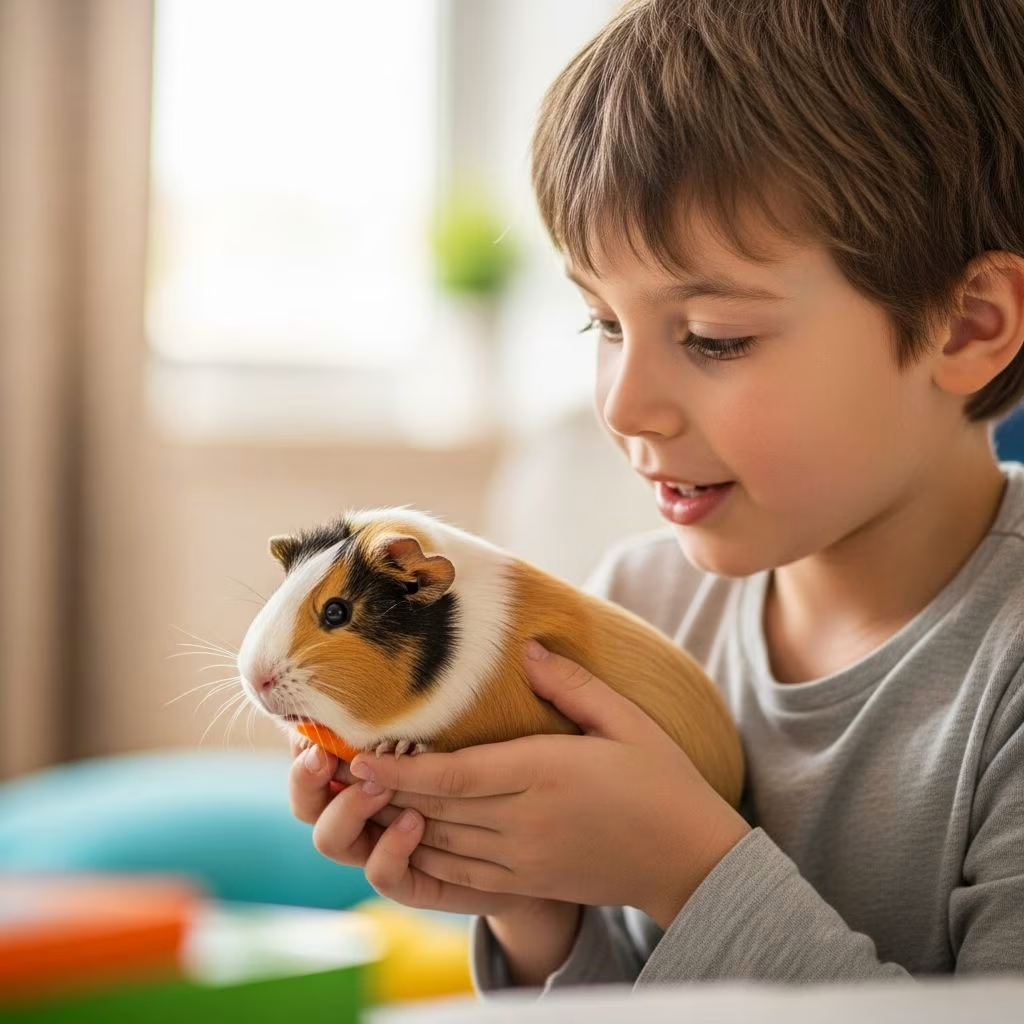
Are Guinea Pigs Good Pets for Kids? Here’s What Parents Should Know
When considering adding a pet to your family, guinea pigs often emerge as a popular choice for parents looking for a small, manageable animal companion. Their adorable appearance and seemingly low-maintenance nature make them appealing to families with children. However, the question of whether guinea pigs are truly suitable pets for kids requires a nuanced understanding of their needs, personality traits, and the level of commitment required from both parents and children. This comprehensive guide explores what you need to know about guinea pigs as family pets.
Why Guinea Pigs Can Be Great for Kids
Guinea pigs possess several characteristics that make them appealing to families considering a small pet. Understanding these positive traits can help parents determine if a guinea pig is the right addition to their household.
Gentle Personalities
Unlike some small pets, guinea pigs are typically calm and docile animals that are not prone to biting. This gentle temperament makes them significantly different from other small rodents, which can be more aggressive or defensive when handled. Their calm nature reduces the risk of accidental injuries during handling, making them safer for children who are still learning how to interact with animals properly.
Social Animals
Guinea pigs genuinely enjoy human interaction and thrive on attention from their caregivers. They love being held and petted, and many guinea pigs develop strong bonds with their owners by recognizing their voices and faces over time. This social nature creates opportunities for meaningful connections between children and their pets, fostering emotional development and empathy.
Entertainment and Communication
One of the most delightful aspects of guinea pig ownership is their diverse range of vocalizations. Guinea pigs communicate through more than 10 different sounds, from excited squeaks and chirps to soft purring noises. Each vocalization carries its own meaning, whether expressing excitement, contentment, or a request for food. These varied sounds keep children amused and curious, creating engaging moments that spark interest in animal communication and behavior.
Manageable Care Needs
Compared to some other small pets, guinea pigs have relatively straightforward care requirements that families can manage with proper planning and commitment. While they do need regular attention and maintenance, their care routines are not overly complicated, making them suitable for families willing to invest time in their well-being.
What Age Is Best for Guinea Pig Ownership?
Determining the appropriate age for guinea pig ownership is crucial for ensuring both the child’s safety and the pet’s well-being. The answer depends on several factors related to maturity and responsibility.
Age Recommendations
Guinea pigs are best suited for children age 7 and up. At this age, most children have developed sufficient understanding to follow basic care routines and possess the gentleness necessary to handle guinea pigs safely under adult supervision. However, children under the age of 10 should not take care of or handle guinea pigs without active adult supervision, as they may lack the judgment and fine motor control needed to prevent accidental injury.
Responsible children ages 10 and up are generally capable of handling most tasks associated with guinea pig care, though parental involvement remains important for ensuring consistency and proper care standards.
Evaluating Your Child’s Readiness
Beyond age, certain personality traits indicate whether a child is ready for guinea pig ownership. Parents should look for the following signs:
- Demonstrated gentleness when interacting with animals
- Consistent ability to follow instructions
- Genuine interest in animals that extends beyond thinking they are cute
- Willingness to participate in daily care routines
- Ability to remain calm and patient during interactions
It’s important to note that while every child develops at their own pace, these behavioral markers provide better indicators of readiness than age alone.
Understanding Guinea Pig Care Requirements
Before bringing a guinea pig home, families must understand the comprehensive care these animals require to thrive. Adult guinea pigs typically live 5 to 7 years, representing a significant long-term commitment for the household.
Housing and Space
Guinea pigs require substantially more space than many people realize. Their habitat should be as large as your living space can accommodate, with a minimum of 5 feet by 2 feet for two guinea pigs. Most cages sold in pet stores are far too small and do not meet guinea pigs’ space requirements. Guinea pigs should be allowed out of their cage daily in a safe, supervised area for exercise and mental stimulation.
Social Needs
Guinea pigs are highly social animals that should ideally be kept in pairs or small groups. A single guinea pig can experience loneliness and depression, leading to behavioral and health problems. If your family decides to adopt guinea pigs, committing to at least two animals ensures they receive the companionship they need to thrive.
Daily Care Tasks
Caring for guinea pigs involves several daily responsibilities that cannot be overlooked or postponed:
- Providing fresh food and water daily
- Spot-cleaning the cage to remove soiled bedding and uneaten food
- Monitoring health and behavior for signs of illness
- Providing social interaction and supervised playtime
Grooming and Maintenance
Depending on the guinea pig’s coat length, grooming requirements vary. Long-haired guinea pigs need to be gently combed at least once weekly to prevent painful mats and tangles. Short-haired varieties require less frequent grooming but still benefit from regular brushing. Regular nail trimming and dental care are also important aspects of guinea pig maintenance.
How Guinea Pigs Compare to Other Small Pets
When deciding between different small pet options, guinea pigs offer distinct advantages and disadvantages compared to alternatives. Here’s how they stack up against other popular small animals:
| Characteristic | Guinea Pigs | Hamsters | Rabbits |
|---|---|---|---|
| Temperament | Calm and gentle | Skittish and sometimes aggressive | Easily startled |
| Handling Tolerance | Generally enjoy being held | Prone to biting if startled | Usually dislike being picked up |
| Size | Medium (8-10 inches) | Small (2-4 inches) | Large (10-12 inches) |
| Space Required | 5+ feet minimum for pair | 20-gallon tank minimum | 4×2 feet minimum |
| Lifespan | 5-7 years | 2-3 years | 8-12 years |
| Vocalization | Very vocal | Relatively quiet | Relatively quiet |
| Bonding with Owner | Strong bonds | Limited bonding | Variable bonding |
Guinea Pigs vs. Hamsters
Hamsters are significantly smaller than guinea pigs and tend to be more skittish and prone to biting, especially if startled or handled roughly. Guinea pigs are typically much calmer, more tolerant of handling, and easier for kids to bond with. However, hamsters require less space than guinea pigs, which may be a consideration for families with limited room.
Guinea Pigs vs. Rabbits
Rabbits are faster and more easily startled than guinea pigs, and they usually don’t enjoy being picked up, which can make handling challenging for young children. Rabbits also require more space and have longer lifespans. Guinea pigs are generally more relaxed, easier to hold, more vocal, and better suited to families who want a pet they can frequently pick up and cuddle.
Teaching Kids About Guinea Pig Behavior and Care
Proper education is essential for ensuring safe and humane interactions between children and their guinea pig companions. Parents should help their children understand guinea pig behavior and communication.
Recognizing Stress Signs
It’s crucial to teach children how to recognize signs of stress in guinea pigs so they know when to give their pet space. Common stress indicators include:
- Loud squealing or distressed vocalizations
- Teeth chattering
- Freezing in place
- Rapid movements or attempted escape
- Piloerection (hair standing on end)
When children observe these behaviors, they should understand that the guinea pig needs a break from interaction and should be allowed to retreat to their safe space.
Proper Handling Techniques
Children need guidance on how to safely pick up and hold guinea pigs. The proper technique involves supporting the guinea pig’s rear end and cradling them securely against the body to prevent falls. Guinea pigs often squirm and can fall and hurt themselves if not held properly. Many guinea pigs relax when wrapped securely in a blanket that makes them feel secure.
Responsibilities and Learning
Caring for a guinea pig can teach children valuable lessons about responsibility, patience, and empathy. Daily care tasks help establish routine habits and demonstrate the importance of following through on commitments. The experience of meeting another living being’s needs fosters emotional development and an understanding of the sacrifices involved in pet ownership.
The Importance of Parental Involvement
Since guinea pigs are sensitive small pets, it’s essential to recognize that adults or parental guardians should be the primary caretaker of these animals. While children can participate in care routines and learn valuable lessons, parents must assume ultimate responsibility for the guinea pig’s well-being.
This means that even if a child promises to handle all aspects of guinea pig care, parents should expect to supervise, manage, and often take over care responsibilities. Children have homework, extracurricular activities, and other obligations that may cause them to neglect their guinea pig duties. Families must be prepared for this reality and ensure that care standards don’t suffer when children’s attention is directed elsewhere.
Health Considerations for Guinea Pigs
Understanding potential health challenges helps parents make informed decisions about guinea pig ownership. Guinea pigs are prone to several health conditions that require vigilant monitoring and prompt veterinary care.
Guinea pigs are prey animals that instinctively hide signs of sickness or weakness. Owners often don’t notice illness until their guinea pig has developed serious conditions like pneumonia. Common health issues in guinea pigs include inner ear infections, gastrointestinal disease, scurvy, tumors, abscesses, urinary problems, and bumblefoot (foot infections). Regular health checks, careful monitoring for weight changes, and immediate veterinary attention at the first sign of trouble are essential for maintaining guinea pig health.
Frequently Asked Questions About Guinea Pigs as Pets for Kids
Q: What is the best age for a child to get a guinea pig?
A: Guinea pigs are best suited for children age 7 and up who can follow basic care instructions and handle them gently. However, children under 10 require adult supervision for all interactions and care tasks.
Q: Can guinea pigs bite?
A: While guinea pigs are generally not prone to biting, they may nip if startled, scared, or uncomfortable. Their teeth are sharp and can break skin if they do bite. Proper handling and respecting their boundaries significantly reduces the risk of biting.
Q: How long do guinea pigs live?
A: Guinea pigs typically live 5 to 7 years, though some may live longer with excellent care. This represents a significant commitment for families.
Q: Do guinea pigs need to be kept alone or in groups?
A: Guinea pigs are highly social animals and should be kept in pairs or small groups. A single guinea pig can become lonely and depressed, leading to behavioral and health problems.
Q: How much space do guinea pigs need?
A: A minimum of 5 feet by 2 feet is recommended for two guinea pigs. Most commercial pet store cages are too small. Guinea pigs should also have access to a safe play area outside their cage daily.
Q: Are guinea pigs hypoallergenic?
A: No, guinea pigs are not hypoallergenic. They produce dander and have scent glands that can trigger allergies in sensitive individuals. Families with allergies should spend time with guinea pigs before committing to ownership.
The Bottom Line on Guinea Pigs as Pets for Children
Guinea pigs can make excellent companions for children if families understand what’s involved and are ready to commit to their long-term care. They offer qualities that make them appealing to young pet owners: gentle temperaments, social nature, entertaining vocalizations, and manageable care needs compared to some other small animals.
However, guinea pigs are not “starter pets” or low-maintenance animals. They require significant time, space, financial investment, and commitment from the entire family. Parents must be prepared to serve as primary caregivers while children learn responsibility through supervised participation.
If your family is ready for the responsibility of owning guinea pigs and can commit to providing appropriate housing, daily care, regular veterinary attention, and social interaction, these delightful animals can provide years of joy and learning opportunities. The key to success is setting realistic expectations, maintaining parental oversight, and approaching guinea pig ownership as a family endeavor rather than delegating care entirely to a child.
References
- Are Guinea Pigs Good Pets for Kids? Here’s What Parents Should Know — Chewy. 2025-11-28. https://www.chewy.com/education/small-pet/guinea-pig/are-guinea-pigs-good-pets-for-kids
- Are Guinea Pigs Good Class Pets — PetMD. 2024. https://www.petmd.com/exotic/are-guinea-pigs-good-class-pets
- Guinea Pigs: Why They’re Not Starter Pets — PETA. 2024. https://www.peta.org/features/guinea-pigs-starter-pets-kids/
- Should Kids Have Guinea Pigs? — GuineaDad. 2024. https://www.guineadad.com/blogs/news/should-kids-have-guinea-pigs



