

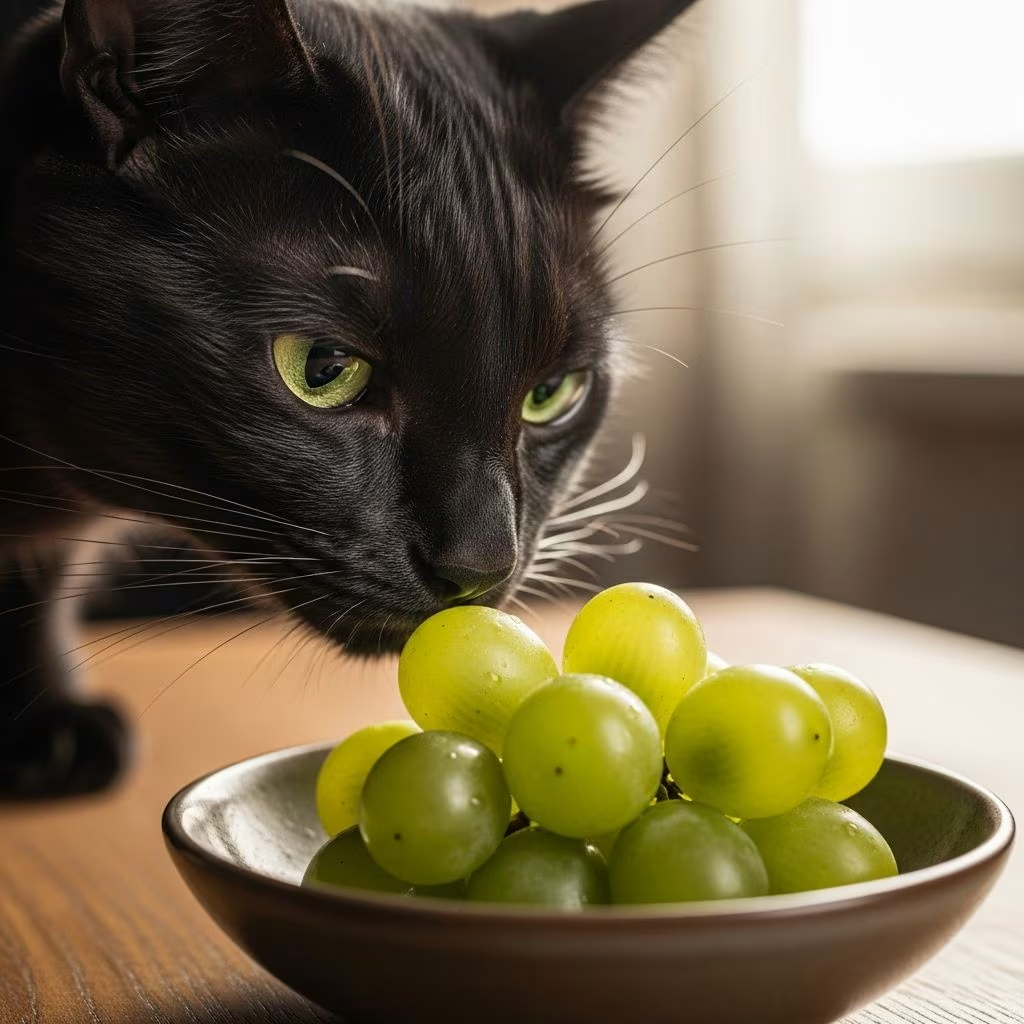
Cats are curious creatures that often eye human snacks with interest, but not all foods suitable for us benefit them. Grapes, a popular fruit packed with antioxidants for people, represent a hidden danger for felines. Veterinary experts unanimously advise against offering grapes to cats due to their potential to cause severe health complications, including kidney damage.
The Hidden Dangers of Grapes for Feline Health
While grapes are celebrated in human diets for their hydration and vitamin content, they harbor compounds toxic to many pets. In cats, the primary concern revolves around tartaric acid, a natural substance in grapes believed to trigger adverse reactions. Although cats show fewer incidents than dogs, the risk remains significant enough for professionals to recommend complete avoidance.
Research indicates that even modest quantities can disrupt a cat’s delicate system. Cats, as obligate carnivores, lack the digestive enzymes to process fruit sugars efficiently, amplifying grape-related problems. Symptoms may emerge within hours, underscoring the urgency of prevention.
Understanding Grape Toxicity Mechanisms in Cats
The exact pathway of grape toxicity puzzles scientists, but tartaric acid and its salts stand out as prime suspects. This compound, responsible for the tartness in grapes, may overload feline kidneys, leading to acute failure in susceptible individuals. Unlike dogs, where cases abound, feline reports are scarcer, possibly due to cats’ discerning palates—they rarely consume enough to trigger full-blown toxicity.
Documented feline cases reveal patterns similar to canine ones: initial gastrointestinal distress escalating to renal impairment. A study noted that about 15% of pets ingesting grapes or raisins exhibit early signs, with rare but severe kidney outcomes in cats. Factors like grape variety, cat size, and pre-existing conditions influence severity, making every exposure a gamble.
Immediate Symptoms to Watch For
If a cat ingests grapes, vigilant owners can spot trouble early. Common initial signs include:
- Vomiting: Often the first indicator, expelling undigested fruit.
- Diarrhea: Loose stools signal digestive irritation.
- Lethargy: Unusual tiredness or weakness.
- Abdominal discomfort: Hunching, reluctance to move, or vocalizing pain.
- Reduced appetite: Ignoring regular meals.
Progression to dehydration, increased thirst, or urinary changes points to kidney involvement—contact a vet immediately in such scenarios.
Beyond Toxicity: Other Physical Risks
Grapes present mechanical hazards too. Their small, round shape poses a choking risk, particularly for playful kittens or small breeds. Seeds, stems, and skins add further perils: tough fibers may cause intestinal blockages, requiring surgical intervention.
Dried forms like raisins concentrate toxins, heightening danger in tiny doses—roughly 30 raisins could affect a 10-pound cat. Products such as trail mix or baked goods with grapes amplify accidental exposure risks in multi-pet homes.
| Risk Type | Description | Potential Consequences |
|---|---|---|
| Toxicity | Tartaric acid ingestion | Kidney failure, vomiting |
| Choking | Whole grapes or seeds | Aspiration, airway blockage |
| Obstruction | Stems or indigestible parts | Surgery, severe pain |
| GI Upset | Sugar overload | Diarrhea, dehydration |
Why Cats Don’t Benefit Nutritionally from Grapes
Felines evolved as meat specialists, deriving vital taurine, arachidonic acid, and proteins from animal sources. Grapes offer negligible value: their fructose ferments poorly in cat guts, yielding empty calories without essential nutrients.
Commercial cat foods, formulated to AAFCO standards, fulfill all requirements. Introducing fruits disrupts this balance, inviting deficiencies or excesses. Vets emphasize sticking to verified diets over experimental treats.
Safe and Healthy Treat Alternatives for Cats
Craving to spoil your cat? Opt for vet-approved options that align with their carnivorous needs:
- Cooked, unseasoned meats like chicken or turkey (tiny portions).
- Plain canned pumpkin for fiber and hydration.
- Commercial cat treats with meat bases.
- Freeze-dried liver or fish flakes.
- Small amounts of steamed veggies like broccoli (if tolerated).
Limit treats to 10% of daily intake to prevent obesity. Always introduce new foods gradually, monitoring for allergies.
Emergency Steps if Your Cat Consumes Grapes
Act swiftly: Do not induce vomiting without vet guidance, as it risks aspiration. Rinse the mouth if possible, then call your veterinarian or a pet poison hotline. Provide details on quantity, time elapsed, and symptoms.
Treatment may involve activated charcoal, IV fluids for kidney support, and monitoring. Prognosis excels with early intervention—delays elevate fatality risks.
Preventing Accidental Grape Exposure
Proactive measures safeguard your home:
- Store fruits in sealed containers or high shelves.
- Educate family on dangers, especially children.
- Secure countertops during meal prep.
- Opt for cat-free zones during gatherings.
- Use pet gates to restrict kitchen access.
Label pantries with pet hazard warnings for visitors.
Common Myths About Cats and Grapes Debunked
Myth 1: Cats are immune since fewer cases exist. Reality: Rarity stems from picky eating, not safety.
Myth 2: Only raisins harm; fresh grapes are fine. Reality: All Vitis genus products pose risks.
Myth 3: Small amounts won’t hurt. Reality: Even a few grapes can trigger issues in sensitive cats.
Insights from Veterinary Research
Organizations like the ASPCA and Pet Poison Helpline log grape incidents, reinforcing caution. Recent studies pinpoint tartaric acid sensitivity variations across species, explaining feline resilience—but not invulnerability.
Owners report success with strict no-fruit policies, enjoying healthier, longer-lived cats.
Frequently Asked Questions
Can cats eat green grapes?
No, all grape colors carry toxicity risks.
Are grape stems safe?
No, they present choking and potential toxin hazards.
What if my cat ate one grape?
Monitor closely and consult a vet promptly.
Can kittens handle grapes better?
No, they’re more vulnerable due to size.
Are there grape-safe cat treats?
Yes, choose meat-based options without fruit derivatives.
Long-Term Health Strategies for Cat Owners
Beyond grapes, audit your home for toxins like lilies, xylitol, and dairy. Schedule annual vet checkups, maintain ideal weights, and prioritize dental health. Informed choices foster thriving feline companions.
By understanding and avoiding grape pitfalls, you ensure your cat’s vitality. Share this knowledge to protect community pets.
References
- Can Cats Eat Grapes? Risks, Safety, and What to Do — PetPlace. 2023-05-15. https://www.petplace.com/article/cats/pet-health/cat-health/cat-diet-nutrition/can-cats-eat-grapes
- Can Cats Eat Grapes? — Chewy.com. 2024-02-10. https://www.chewy.com/education/cat/food-and-nutrition/can-cats-eat-grapes
- Can Cats Eat Grapes? A Guide to Safety — Purina. 2023-11-20. https://www.purina.com/articles/cat/feeding/can-cats-eat/grapes
- Can Cats Eat Grapes or Raisins? — Whisker.com. 2024-01-05. https://www.whisker.com/blog/can-cats-eat-grapes-or-raisins
- Can Cats Eat Grapes? — PetMD (Sandra C. Mitchell, DVM). 2023-08-12. https://www.petmd.com/cat/nutrition/can-cats-eat-grapes



