

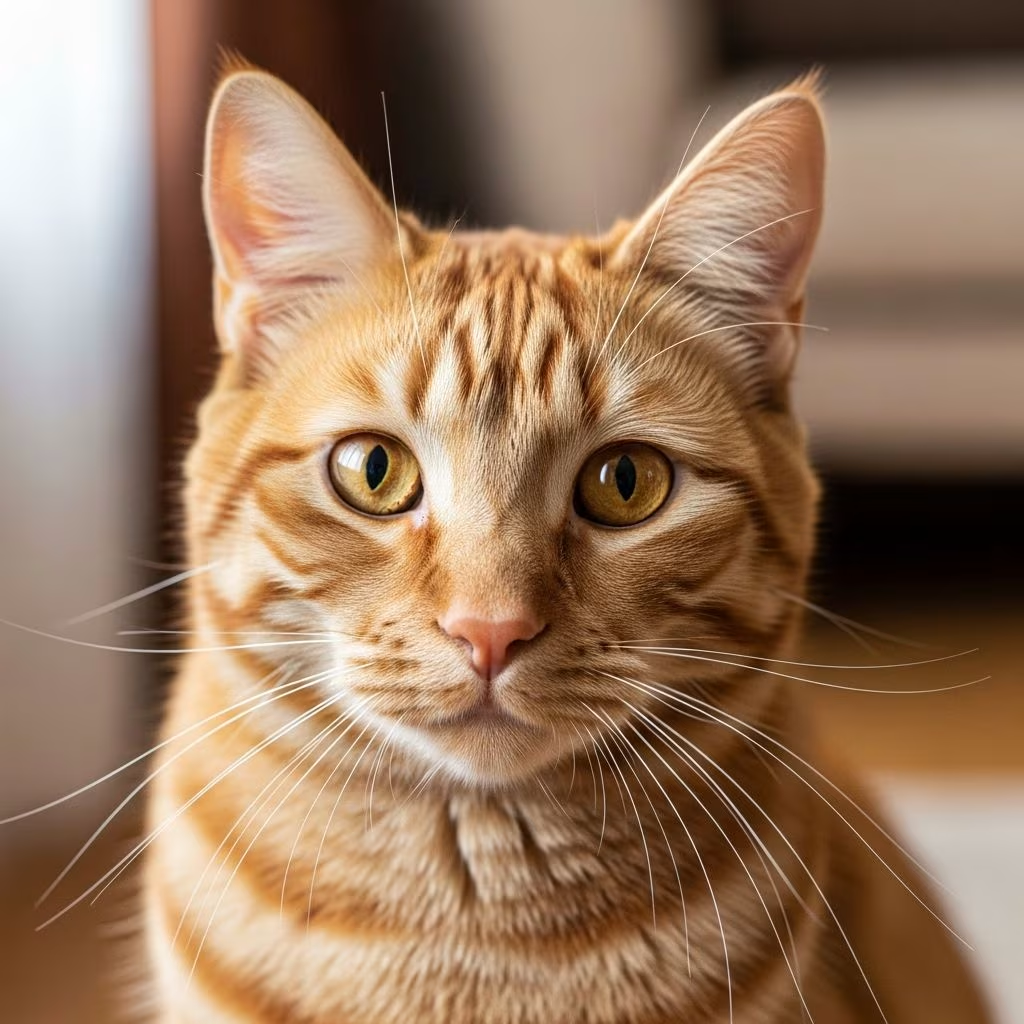
Are Ginger Cats More Friendly? Orange Cat Facts
Ginger cats have long captured the hearts of pet lovers worldwide, becoming iconic figures in popular culture through characters like Garfield and Puss in Boots. But beyond their striking appearance and cultural presence, many people wonder: are ginger cats actually more friendly than other cats? The answer is more nuanced than a simple yes or no. While ginger cats do have a reputation for being particularly affectionate and sociable, their personality is influenced by multiple factors including genetics, breed characteristics, early socialization, and individual life experiences. This comprehensive guide explores the truth about ginger cat friendliness while uncovering fascinating facts about these distinctive felines.
Understanding Ginger Cat Genetics
To understand ginger cats fully, it’s essential to explore the genetics behind their distinctive coloring. Ginger cats owe their striking appearance to a specific pigment called pheomelanin, which is responsible for producing red and orange hues in their fur. This same pigment creates red hair in humans, making ginger cats a feline parallel to red-haired people.
One of the most fascinating genetic facts about ginger cats involves gender distribution. The gene responsible for ginger coloring is located on the X chromosome, which creates an interesting genetic pattern. Male cats need only one copy of the ginger gene to display the orange coloring, while female cats require two copies. This chromosomal difference means that approximately 80 percent of ginger cats are male, while only about 20 percent are female. This genetic skew makes female ginger cats particularly rare and special. When a female ginger cat does occur, she inherits the gene from both parents, often resulting in particularly vibrant coloring.
The Tabby Pattern Connection
An important characteristic that unites all ginger cats is their tabby pattern. Every single ginger cat is a tabby cat, though not all tabby cats are ginger. The tabby pattern itself results from three specific types of genes found in all domestic cats, and interestingly, the same genes appear in wild cats like tigers and leopards. These genes create the distinctive striped, spotted, or swirled patterns that help cats blend into their environment while hunting.
One recognizable feature of tabby cats is the “M” marking on their foreheads. This marking has inspired various legends across cultures. In Islamic tradition, a tabby cat named Muezza saved the Prophet Mohammed from a poisonous snake. According to the legend, Mohammed was so grateful that he stroked the cat’s back, granting all cats the ability to land on their feet. He then marked an “M” on Muezza’s forehead with his hand, and this marking has appeared on every tabby cat born since. Similarly, Christian tradition tells of a ginger tabby cat who comforted baby Jesus in the manger, and Mary marked the cat’s forehead with her initial “M” as a sign of gratitude.
Ginger Cat Coat Variations
While all ginger cats share the tabby pattern, their coats display remarkable variety in how that pattern manifests. Understanding these different coat patterns helps appreciate the diversity within the ginger cat population.
The most common ginger cat coat pattern is the mackerel pattern, characterized by narrow stripes running vertically down the cat’s sides with rings encircling the tail and legs. This pattern resembles the markings on a mackerel fish, hence its name. The classic or marble tabby pattern features a more swirled appearance often described as resembling tie-dye clothing, with broader, more flowing pattern lines than the mackerel variety.
The ticked or agouti coat pattern presents a speckled appearance created when each individual hair contains alternating light and dark areas along its length. From a distance, ticked ginger cats may appear to have a uniform coloring without obvious stripes or spots. Additionally, ginger cats come in various color intensities, ranging from pale cream to deep red-orange, depending on the concentration of pheomelanin pigment in their fur. Some ginger cats also display patched patterns where their coloring alternates between different sections of their body.
Ginger Cat Personalities: Separating Myth from Reality
The question of whether ginger cats are inherently friendlier remains one of the most discussed topics among cat enthusiasts. While ginger cats have earned a reputation for being affectionate, sociable, and more friendly than average house cats, the science behind this perception is complex.
Anecdotal evidence suggests that personality traits do vary among cats of different colors, but genetics play a more subtle role than fur color alone. Research indicates that while early socialization and individual life experiences are the primary determinants of a cat’s personality, there is some correlation between ginger coloring and certain behavioral tendencies. Most ginger cats demonstrate an even temperament, display affection readily, and tend to be more outgoing than cats of other colors. However, this varies significantly from cat to cat, and individual personality is never guaranteed based solely on coloring.
Interestingly, gender differences exist within the ginger cat population itself. Male ginger cats have a reputation for being more assertive, vocal, and active compared to their female counterparts. Female ginger cats tend to be calmer and quieter, though they can still exhibit the friendly and affectionate traits associated with the ginger breed. These gender-based personality differences likely stem from hormonal influences and social dynamics rather than the coloring itself.
Debunking the “Fiery” Personality Myth
A common misconception about ginger cats is that their coloring makes them naturally feisty or aggressive. This “fiery” personality stereotype persists in popular culture, but it doesn’t hold up to scrutiny. Cats’ behavioral traits are primarily determined by their breed, parental genetics related to temperament rather than coat color, and life experiences including socialization and environment.
While some individual ginger cats may display spirited or playful behavior, this reflects their unique personality rather than an inherent trait of their coloring. Many ginger cats are exceptionally calm, gentle, and patient. The stereotype likely persists because ginger cats are highly visible and memorable, making their individual personalities more noticeable than those of less distinctive-colored cats. A particularly energetic or vocal ginger cat makes an impression, leading to generalizations that don’t accurately represent the population as a whole.
Why Ginger Cats Resemble Tigers
Ginger cats frequently draw comparisons to tigers, and the similarity goes beyond mere coincidence. The tabby pattern genes that create ginger cats’ distinctive markings are the same genes responsible for the camouflage patterns found in wild felines like tigers and leopards. These patterns evolved to help cats blend into natural environments while hunting, making them less visible to both prey and predators.
The resemblance between ginger cats and tigers is particularly striking in the mackerel pattern variety, where the narrow stripes and rings create a striking visual echo of big cat markings. Many ginger cat owners note that their pets display tiger-like characteristics in their movement, hunting style, and general demeanor. This connection to wild cats adds another dimension to why ginger cats captivate our imagination and inspire such devoted followings among cat enthusiasts.
Food Preferences and Health Considerations
Ginger cats have earned a reputation as food enthusiasts, a stereotype popularized by Garfield the comic strip cat and his famous lasagna obsession. While this characterization is somewhat exaggerated, many ginger cats do display notable enthusiasm for mealtime. This apparent love of food may relate to their generally outgoing and engaging personalities, making them more vocal about their food preferences and more likely to seek treats from their owners.
However, like all cats, ginger felines require careful monitoring of their food intake to prevent obesity and associated health problems. Overweight cats face increased risks of diabetes, joint problems, and heart disease. Owners of ginger cats should provide measured portions of high-quality cat food, offer appropriate treats in moderation, and ensure their cats receive sufficient exercise and enrichment to maintain healthy body weight.
Adoption and Popularity of Ginger Cats
Interestingly, ginger cats are often adopted faster than cats of other colors, particularly when compared to black cats. Despite black cats being equally adorable and affectionate, they face adoption barriers related to superstitions and lower visibility in shelter environments. The higher adoption rate for ginger cats may reflect their striking appearance, positive cultural associations, and the widespread perception that they are particularly friendly and personable.
This adoption advantage highlights an important consideration for potential cat adopters: personality and character matter far more than fur color. While ginger cats make wonderful companions, black cats, tabby cats of other colors, and cats of every hue deserve equal consideration. Each individual cat possesses unique qualities and potential to become a cherished family member.
Celebrating Your Ginger Cat
For ginger cat enthusiasts, there are two special occasions each year to celebrate these beloved felines. International Cat Day falls on August 8th annually, offering a global celebration of all cats. However, ginger cats have their own dedicated celebration on September 1st, known as Ginger Cat Appreciation Day. This special day provides a perfect opportunity to honor your orange tabby companion with special treats, extra playtime, or simply extra affection and gratitude for their unique personality and presence in your life.
Frequently Asked Questions About Ginger Cats
Q: Are all ginger cats male?
A: No, not all ginger cats are male, but approximately 80 percent are. The ginger gene sits on the X chromosome, requiring males to inherit only one copy while females need two copies. This genetic difference explains why female ginger cats are rarer and more unusual than their male counterparts.
Q: Do ginger cats have specific health issues?
A: Ginger cats don’t have unique health problems related to their coloring. However, they may be prone to obesity if their food intake isn’t monitored carefully, given their reputation as enthusiastic eaters. Regular veterinary care, appropriate nutrition, and adequate exercise help maintain optimal health.
Q: Are ginger cats actually friendlier than other cats?
A: While ginger cats have a reputation for being friendly and sociable, their personality depends primarily on breed, individual genetics, early socialization, and life experiences. Many ginger cats are exceptionally affectionate, but personality varies among individual cats regardless of coloring.
Q: What does the “M” marking on tabby cats mean?
A: The “M” marking appears on all tabby cats, including ginger tabbies, as a result of the tabby pattern genes. Cultural legends attribute this marking to religious figures, while genetically it’s simply part of the natural tabby stripe pattern that evolved for camouflage.
Q: Do male and female ginger cats have different personalities?
A: Anecdotal evidence suggests male ginger cats tend to be more assertive, vocal, and active, while female ginger cats are often calmer and quieter. However, individual personality varies significantly regardless of gender.
Q: Can ginger cats be any color besides orange?
A: While typically orange or red, ginger cats can display varying intensities of coloring from pale cream to deep red-orange depending on pheomelanin pigment concentration. This creates a spectrum of ginger shades across the feline population.
References
- Ginger Cat Appreciation! 12 Reasons Ginger Cats are so Special — Feliway UK. Retrieved November 2025. https://www.feliway.co.uk/blogs/news/ginger-cat-appreciation-12-reasons-ginger-cats-are-so-special
- 5 Facts About Ginger Cats & Their Personalities — Wellness Pet Food. September 5, 2018. https://www.wellnesspetfood.com/blog/5-facts-about-ginger-cats-their-personalities/
- All About Ginger Cats: Facts, Lifespan And Intelligence — Cats.com. Retrieved November 2025. https://cats.com/ginger-cats
- 10 Fun Facts About Ginger Cats — Wag! September 1, 2022. https://wagwalking.com/daily/10-fun-facts-about-ginger-cats



