Gerbils As Pets: What You Need To Know Before Adoption
Discover if gerbils suit your lifestyle with insights on care, companionship, and commitment needed for these lively rodents.
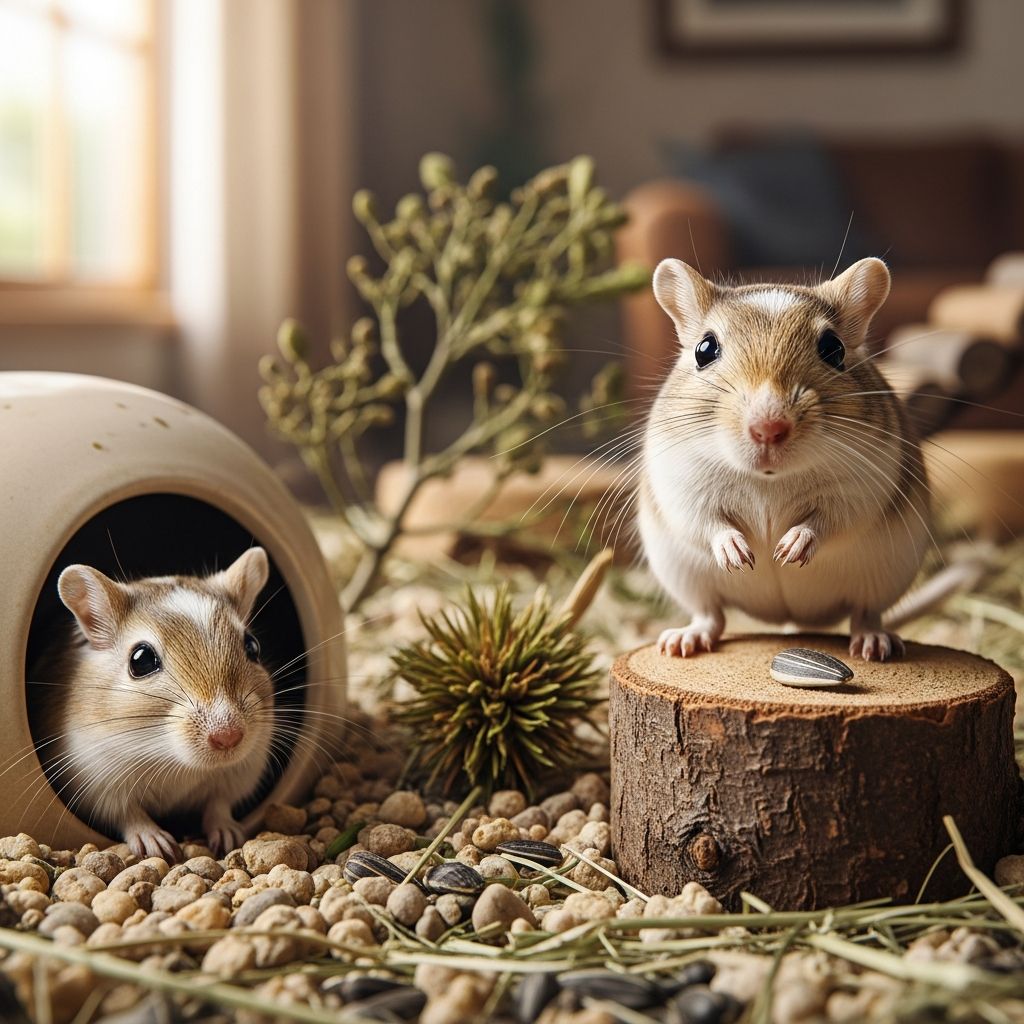
Are Gerbils Right for Your Home?
Gerbils present an appealing option for pet enthusiasts seeking active, engaging companions that thrive in compact environments. These small rodents combine curiosity with social tendencies, making them suitable for households with limited room and responsible older kids. However, their nocturnal habits and specific care requirements demand thoughtful consideration before adoption.
Understanding Gerbil Biology and Behavior
Originating from arid regions like Mongolia, gerbils—particularly the Mongolian species—are adapted to burrowing lifestyles. They possess long hind legs for swift digging and foot-thumping communication, a trait used for alarms or post-mating signals. Unlike hamsters, they lack cheek pouches but display hoarding instincts, stashing food in nests. Their agility shines in tunneling, though furred foot soles limit climbing prowess. Gerbils communicate via scent-marking from an abdominal gland and ultrasonic vocalizations beyond human hearing (5-50 kHz), fostering strong colony bonds while remaining selective with newcomers.
Polyphasic sleep patterns mean short naps throughout day and night, keeping them sporadically active and providing ample observation windows. This contrasts with strictly nocturnal pets, offering daytime interaction opportunities. Their constant gnawing maintains ever-growing teeth, and they relish dust baths several times weekly to groom fur.
Essential Housing and Habitat Setup
Adequate enclosure is paramount, as gerbils demand space for burrowing at least 12 inches deep. Opt for glass tanks or deep plastic bins over wire cages to prevent escapes and support substrate piling. Minimum dimensions for a pair: 20 gallons (approximately 24x12x12 inches), expandable for trios. Include layered bedding like aspen shavings or paper-based substrates, avoiding pine/cedar due to respiratory risks.
Key habitat elements:
- Exercise wheel: Solid-surface, 8-10 inch diameter to suit long tails; mesh wheels work as feet tolerate them unlike some rodents.
- Tunnels and chews: Cardboard tubes, wooden blocks for dental health and enrichment.
- Nesting area: Shredded paper or fleece for cozy burrows.
- Bath container: Shallow dish with chinchilla sand, refreshed 2-3 times weekly.
- Hideouts: Ceramic houses or PVC pipes for security.
Position cages away from drafts, direct sun, and predators like cats/dogs. Initial setup costs dominate (enclosure ~$50-150), but bulk bedding purchases minimize ongoing expenses.
Nutrition and Daily Feeding Routines
Gerbils require a balanced diet mimicking desert forage: 70% seed/pellet mix (lab blocks preferred for nutrition), 20% hay, 10% veggies/fruits sparingly to avoid diarrhea. Favorites include timothy hay, millet sprays, carrots, apples (seeds removed), and occasional mealworms for protein. Fresh water via bottles prevents spills; change daily.
| Food Type | Portion (per gerbil/day) | Frequency | Notes |
|---|---|---|---|
| Lab blocks/seeds | 1-2 tsp | Daily | Main diet; dust-free varieties. |
| Hay | Handful | Constant access | Digestive health essential. |
| Veggies (e.g., kale) | Pea-sized | 3-4x/week | Wash thoroughly; no iceberg. |
| Treats (nuts) | Pinch | Weekly | High-fat; obesity risk. |
Scatter feeding encourages foraging, reducing obesity. Monitor weights; overfeeding leads to health issues.
Social Dynamics: Pairing and Group Living
Highly social, gerbils suffer isolation—never house singly. Same-sex pairs (introduced pre-8 weeks) bond best, sharing nests and grooming. Mixed pairs risk unchecked litters unless male neutered by exotic vets. Limit groups to 2-3; larger setups breed territorial fights, potentially fatal. Post-loss introductions demand split-cage methods: parallel housing with mesh dividers for scent familiarity over weeks, success not guaranteed due to selective natures.
Human bonding develops via tame parents; juveniles tame quickest. They view hands as climbing aids over lap pets, testing fingers playfully (rare bites).
Handling, Playtime, and Enrichment
Daily out-of-cage time (30-60 minutes supervised) prevents boredom. Secure playpens from bed blankets, cardboard mazes, or bathtub setups block escapes/chews. Gerbils explore avidly, foot-thumping excitedly. Avoid free-roaming unsupervised—chew cords, tiny gaps pose dangers.
- Use cupped hands for transfers; let climb willingly.
- Rotate toys weekly for novelty.
- Forage puzzles: hide seeds in bedding.
They’re low-odor compared to hamsters, pee minimal/dry poop eases spot-cleaning.
Health Monitoring and Common Concerns
Lifespan: 2-5 years (fat-tailed longer), shorter than dogs/cats. Low disease incidence, but watch for:
- Respiratory issues: Sneezing from dusty bedding.
- Dental overgrowth: Provide chews; trim if needed.
- Abscesses/fights: Vet drainage/antibiotics.
- Typhoid carriers: Rare; quarantine newcomers.
Annual exotic vet checkups advised; costs add up unexpectedly. Clean fully weekly, spot daily. They’re resilient but fragile—drops injure.
Pros and Cons of Gerbil Ownership
| Pros | Cons |
|---|---|
| Affectionate, personality-rich companions. | Short lifespan brings grief. |
| Affordable upkeep post-setup. | Daily/weekly chores year-round. |
| Compact, quiet (mostly ultrasonic). | Nocturnal wheel noise disturbs light sleepers. |
| Ideal for apartments/kids 8+. | Not for toddlers; handling risks. |
| Fascinating burrowers, low smell. | Tricky re-pairing after loss. |
Suitability for Families and Children
Best for ages 8+, who grasp gentle handling—younger kids drop/squeeze accidentally. Parents oversee care: feeding, cleaning. Gerbils teach responsibility sans cats’ demands. Space-savers for urban dwellers.
Initial and Ongoing Costs Breakdown
Startup: $150-300 (cage, wheel, supplies). Monthly: $10-20 (food/bedding). Vets: $50-200/visit. Bulk buys slash repeat costs; free adoption items help.
Frequently Asked Questions
Can gerbils live alone?
No, they need companions; solitude causes depression.
Do gerbils smell bad?
Minimal odor with proper substrate; cleaner than many rodents.
How often to clean gerbil cages?
Spot daily, full weekly.
Are gerbils friendly?
Usually; tame easily, rarely bite.
Can kids under 8 have gerbils?
Supervise heavily; not primary handlers.
Getting Started: Adoption Tips
Rescue first—shelters offer pairs. Select active, clear-eyed pups from ethical breeders. Test compatibility pre-purchase. Commit long-term; trial via fostering.
References
- Gerbils As Pets: Pros And Cons | Should I Get A Gerbil? — Omlet. Accessed 2026. https://www.omlet.us/guide/gerbils/should-i-get-a-gerbil/pros_and_cons/
- Gerbils vs. other rodents (pros and cons) — Gerbil Forum. Accessed 2026. https://gerbilforum.proboards.com/thread/29296/gerbils-rodents-pros-cons
- Would a gerbil make a good pet for you? — Humane World for Animals. Accessed 2026. https://www.humaneworld.org/en/resources/would-gerbil-make-good-pet-you
- Are gerbils bad pets? | Pros & cons of owning gerbils — YouTube (Victoria Raith). Accessed 2026. https://www.youtube.com/watch?v=x1seB4AF2WI
- Keeping Gerbils As Pets — RSPCA. Accessed 2026. https://www.rspca.org.uk/adviceandwelfare/pets/rodents/gerbils
Similar Articles








Read full bio of medha deb