

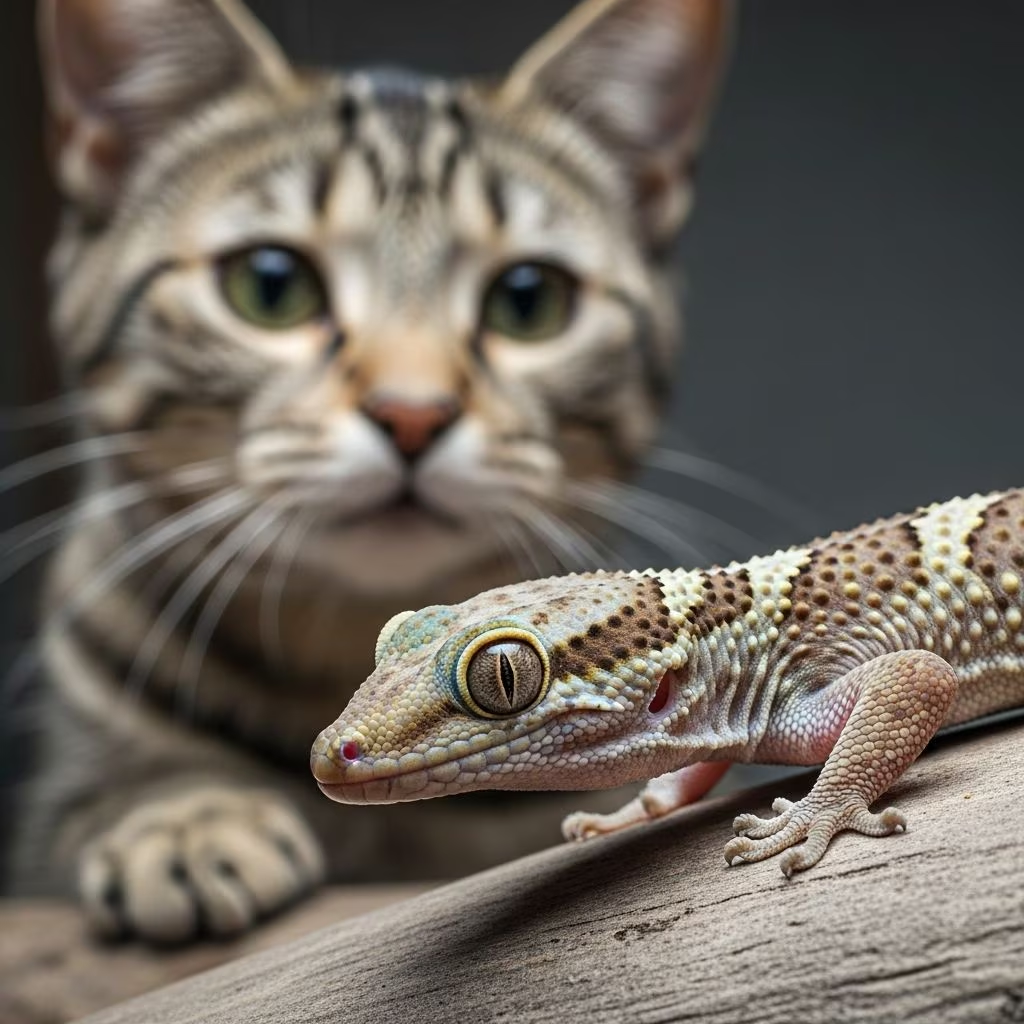
Geckos are **not poisonous or venomous** to cats, but they pose a significant risk by carrying the liver fluke parasite *Platynosomum fastosum*, which can cause serious, potentially fatal illness in felines. This condition, sometimes mislabeled as “lizard poisoning,” primarily affects the liver and bile ducts, with higher incidence in subtropical regions like Florida and Hawaii.
Quick Answer: Are Geckos Poisonous to Cats?
No, geckos lack toxins or venom harmful to cats upon contact or ingestion in terms of direct poisoning. However, many geckos harbor liver flukes that migrate to a cat’s liver after being eaten, leading to symptoms like vomiting, jaundice, and weight loss if untreated. Indoor cats face lower risk, but lizards entering homes can still transmit the parasite.
What Are Geckos?
Geckos belong to the Gekkonidae family, comprising over 1,500 species worldwide, known for adhesive toe pads enabling wall-climbing and nocturnal habits. Common household varieties like the Mediterranean house gecko or tropical house gecko thrive in warm climates, often invading homes for insects. While beneficial pest controllers, their presence raises concerns for curious cats who view them as prey.
- Physical traits: Small (3-6 inches), soft skin, large eyes, vocal chirps.
- Habitat: Tropical/subtropical, urban adapters entering via doors/windows.
- Diet: Insects, making them common in lit areas at night.
Are Geckos Poisonous or Venomous to Cats?
Geckos produce no venom—injected toxins via bites/stings—and their skin secretions, even from species like the Tokay gecko (*Gekko gecko*), contain mild terpenoids not lethal to cats. Terpenoid secretions may irritate but cats’ grooming often leads to ingestion without acute poisoning. Scientific consensus confirms no gecko species venomous to mammals.
| Aspect | Geckos | Implication for Cats |
|---|---|---|
| Venom | Absent | No injection risk |
| Poison (ingested) | Mild in some species | Minimal; cats metabolize poorly but rarely severe |
| Parasites | Liver flukes common | High risk of *P. fastosum* infection |
The Real Danger: Liver Flukes from Geckos
The primary threat stems from *Platynosomum fastosum*, a trematode parasite with a complex lifecycle requiring snails (first host) and lizards/geckos (second host). Infective metacercariae in gecko tissues transfer to cats upon ingestion, migrating to bile ducts/liver over 8-12 weeks. Adult flukes cause inflammation, bile duct blockage, and toxic buildup.
Not all geckos carry flukes, but visual inspection impossible; risk highest in endemic areas. Cats’ deficient glucuronyl transferase enzymes hinder toxin/parasite metabolite processing, exacerbating damage.
How Do Cats Get Liver Flukes from Geckos?
- Snails ingest fluke eggs from cat feces.
- Larvae encyst in snails, released to infect lizards/geckos.
- Cat hunts/eats infected gecko; metacercariae excyst in intestines.
- Juvenile flukes penetrate gut wall, travel via bloodstream to liver/bile ducts.
Symptoms of Liver Fluke Infection in Cats
Many infections asymptomatic initially, but progression yields severe signs. Monitor closely post-gecko ingestion, especially in high-risk areas.
- Early/mild: Vomiting, anorexia, mucus diarrhea.
- Advanced: Jaundice (yellow gums/eyes), abdominal distension, hepatomegaly.
- Severe: Fever, lethargy, profound weight loss, biliary obstruction.
Untreated, leads to liver failure, gallbladder rupture, death.
What to Do If Your Cat Ate a Gecko
Immediate vet contact essential, even sans symptoms. Provide details: gecko type/location, cat’s health/history.
- Exam: Bloodwork (liver enzymes), fecal flotation, ultrasound.
- Treatment: Praziquantel (dewormer), supportive care (fluids, anti-nausea, liver protectants).
- Monitoring: Repeat tests; full recovery typical if early intervention.
Online vet services like PangoVet offer prompt advice if clinic unavailable.
Diagnosis and Treatment of Liver Fluke
Vets confirm via fecal exams (eggs rare early), bile aspiration, or imaging. Praziquantel (25-40 mg/kg, 2-3 doses) kills adults; supportive therapy manages symptoms. Prognosis excellent pre-severe damage; chronic cases risk fibrosis.
Prevention: Keeping Cats Safe from Geckos
Best strategy: Indoor living, extending lifespan and curbing hunting.
- Home measures: Screens on windows/doors, seal cracks, reduce outdoor lighting attracting geckos.
- Supervision: Watch outdoor cats; distract hunters.
- Deterrents: Sticky traps (non-toxic), citrus sprays (geckos dislike).
- Health: Routine deworming/fecal checks in endemic areas.
Risks by Location
Highest in Florida, Hawaii, other subtropical U.S./global zones; indoor cats safer but not immune.
| Risk Level | Areas | Precautions |
|---|---|---|
| High | Florida, Hawaii | Strict indoor policy, vet monitoring |
| Medium | Southern U.S., tropics | Screening, supervision |
| Low | Temperate zones | Basic prevention |
Frequently Asked Questions (FAQs)
Are all geckos dangerous to cats?
No, danger from parasites, not poison; varies by infection status/location.
Can indoor cats get liver flukes?
Yes, if geckos enter home.
How long after eating a gecko do symptoms appear?
8-12 weeks for maturity; early signs variable.
Is lizard poisoning fatal?
Potentially if untreated; early treatment curative.
Should I deworm after gecko ingestion?
Consult vet; praziquantel often recommended.
Conclusion
Geckos offer no direct poison to cats but transmit liver flukes posing grave threats. Vigilance, prevention, prompt vet care safeguard felines. Keep cats indoors, monitor high-risk zones, act swiftly on ingestion for healthy outcomes.
References
- Gecko Toxicity and Cats: Unraveling the Myths and Facts — Barkley and Paws. 2023. https://www.barkleyandpaws.com/cats/health-cats/gecko-toxicity-and-cats-unraveling-the-myths-and-facts/
- Are Geckos Poisonous to Cats? Vet-Reviewed Dangers — Catster. 2024-01-14. https://www.catster.com/cat-health-care/are-geckos-poisonous-to-cats/
- My Pet Ate a Lizard — What Should I Do? — Hill’s Pet. 2023. https://www.hillspet.com/pet-care/healthcare/are-lizards-poisonous-to-dogs-and-cats
- Are Lizards Dangerous to Dogs and Cats in Miami? — Equipaws Pet Services. 2023. https://equipawspetservices.com/are-lizards-dangerous-to-pets/



