

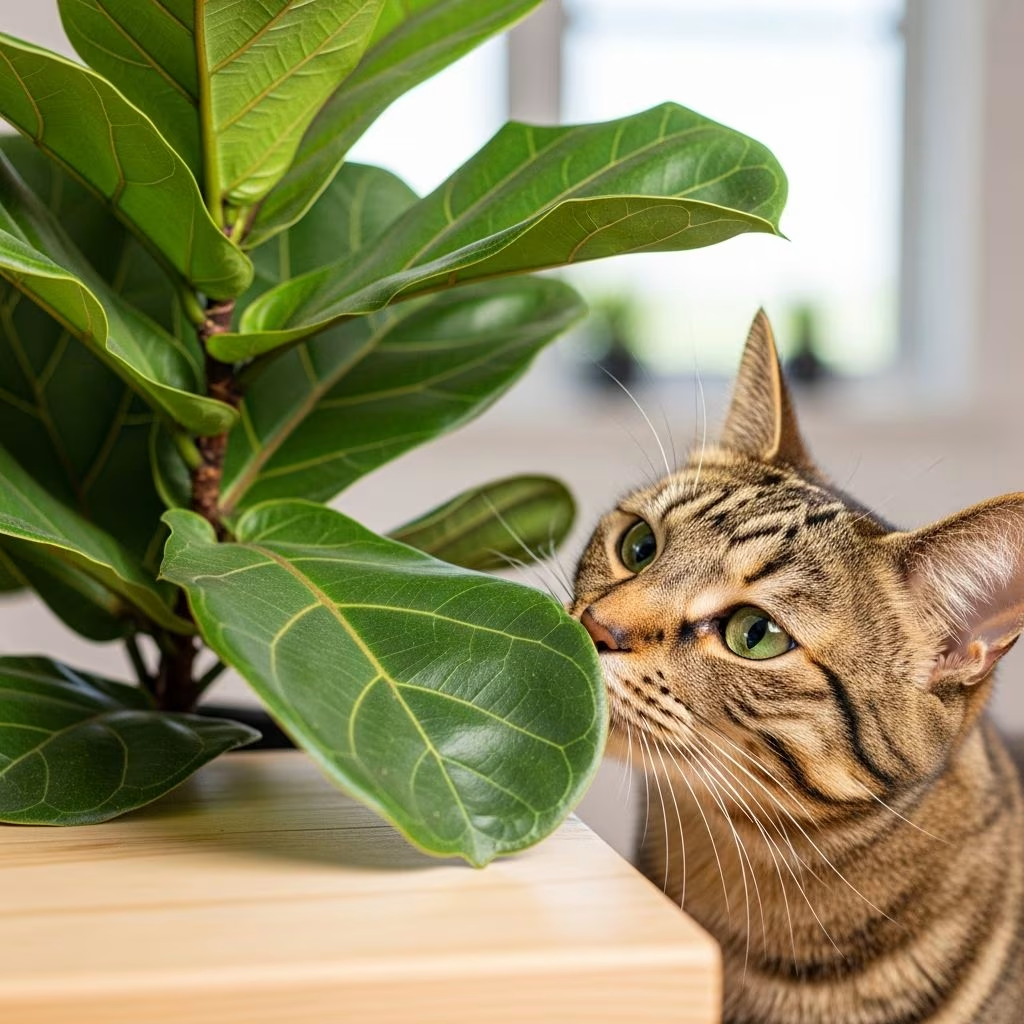
Are Fiddle Leaf Figs Toxic to Cats?
Fiddle leaf figs are popular indoor houseplants known for their striking appearance and large, violin-shaped leaves. However, if you share your home with feline companions, it’s crucial to understand that fiddle leaf figs are indeed toxic to cats. Every part of this plant—including the leaves, stems, and roots—contains harmful compounds that can pose health risks to your beloved pets. While the good news is that fiddle leaf fig toxicity is generally considered mild and rarely life-threatening, it’s still important for cat owners to be aware of the dangers and take appropriate precautions.
Understanding Fiddle Leaf Fig Toxicity
Fiddle leaf figs contain several compounds that make them toxic to cats. The primary culprits are insoluble calcium oxalate crystals found throughout the plant. When a cat chews or ingests any part of the plant, these sharp crystals are released and can penetrate the delicate tissues of the mouth, throat, and digestive tract.
Additionally, fiddle leaf figs produce a white sap that oozes from the leaves and stems when broken or cut. This sap is high in calcium oxalate crystals and is extremely irritating to both the skin and mucous membranes. The combination of these crystals and the irritating sap makes fiddle leaf figs particularly problematic for curious cats who like to explore their environment by chewing on plants.
Why Cats Are Attracted to Fiddle Leaf Figs
Cats are naturally curious creatures that often investigate their surroundings through sniffing, rubbing, and nibbling. The fiddle leaf fig’s large, dangling leaves can be particularly tempting to cats, who may see them as toys to bat around or leaves to chew on. This instinctive behavior, while normal for cats, puts them at risk when fiddle leaf figs are present in the home. Even a small taste of the plant can trigger adverse reactions in sensitive cats.
Symptoms of Fiddle Leaf Fig Poisoning in Cats
If your cat has ingested or come into contact with a fiddle leaf fig, it’s important to recognize the signs of toxicity. Symptoms can vary depending on the amount of plant material ingested and your individual cat’s sensitivity to the toxins.
Common Symptoms Include:
- Oral irritation: Drooling, lip smacking, pawing at the mouth, or difficulty eating
- Gastrointestinal upset: Vomiting, diarrhea, and abdominal pain
- Appetite changes: Loss of appetite or decreased interest in food
- Mouth and throat swelling: Swelling of the mouth, tongue, or lips
- Skin irritation: Rashes or irritation if the sap contacts the skin
- Behavioral changes: Excessive lethargy, unusual behavior, or signs of distress
- Respiratory issues: Difficulty breathing, though this is less common and more likely in certain breeds
- Changes in thirst and urination: Increased or decreased water intake and urination
The severity of symptoms typically correlates with the amount of plant material consumed. A cat that took only a tiny taste may experience mild or almost no symptoms, while a cat that ate a whole leaf or multiple leaves may develop more pronounced reactions. Most commonly, cats will spit out the plant after tasting it due to the burning sensation caused by the calcium oxalate crystals, which naturally limits their intake.
Potential Health Risks and Complications
While fiddle leaf fig toxicity is classified as Level 4 (the lowest toxicity level), meaning it rarely causes serious illness or death, there are still potential health complications to consider. Mild cases typically result in temporary discomfort, oral irritation, and gastrointestinal upset that resolves on its own.
However, in more severe cases or with ingestion of larger quantities, cats may experience:
- Dehydration from vomiting and diarrhea
- Inflammation and swelling of the mouth and throat tissues
- Difficulty swallowing, which can lead to reduced food and water intake
- In rare cases, organ damage to the kidneys or liver with very large ingestions
- Potential airway obstruction in short-faced cat breeds, though this is uncommon
According to veterinary specialists, unless a cat has a rare allergic reaction or ingests an extremely large quantity of the plant, fiddle leaf fig poisoning is not life-threatening. However, prompt veterinary care is still recommended to ensure your cat’s comfort and prevent any complications.
What to Do If Your Cat Ingests Fiddle Leaf Fig
If you suspect or know that your cat has chewed on or eaten any part of a fiddle leaf fig plant, it’s important to act quickly and follow these steps:
Immediate Actions:
- Remove your cat from the plant: Safely remove your cat from any further contact with the fiddle leaf fig to prevent additional ingestion.
- Check for visible symptoms: Carefully examine your cat for any immediate signs of distress, such as excessive drooling, difficulty breathing, or signs of mouth pain.
- Rinse if necessary: If the sap contacted your cat’s skin or fur, gently rinse the affected area with water to remove the irritating compound.
- Contact your veterinarian: Call your veterinary clinic or an emergency animal hospital as soon as possible for professional guidance.
- Take a plant sample: If possible, bring a photo or a small sample of the plant with you to help your veterinarian confirm the identification and provide appropriate treatment.
Veterinary Treatment and Care
When you take your cat to the veterinarian, they will perform a thorough examination and may provide supportive care based on your cat’s symptoms. Treatment typically includes:
- Rinsing out the mouth to remove any remaining plant material or sap
- Administration of gastrointestinal protectants to prevent or reduce irritation to the digestive tract
- Fluid therapy if your cat is dehydrated from vomiting or diarrhea
- Pain management if your cat is experiencing significant oral or abdominal discomfort
- Monitoring for any signs of more serious complications
Most cases of fiddle leaf fig poisoning resolve within a few hours to a few days with supportive care. Your veterinarian will provide specific instructions for monitoring your cat at home and may recommend follow-up care if needed.
Prevention: Keeping Your Cat Safe
The best approach to protecting your cat from fiddle leaf fig toxicity is prevention. If you own a fiddle leaf fig and have cats in your home, consider these strategies:
Prevention Strategies:
- Place plants out of reach: Keep the fiddle leaf fig in a room that your cat cannot access, or place it on high shelves or plant stands that are truly inaccessible to climbing cats.
- Use barriers: Consider using plant barriers, hanging planters, or enclosed plant stands to create a physical separation between your cat and the plant.
- Choose cat-safe alternatives: If you love the look of large, dramatic plants, consider switching to non-toxic alternatives such as spider plants, Boston ferns, or parlor palms that are safe for cats.
- Use deterrents: Apply cat-safe deterrent sprays around the plant to discourage your cat from approaching it.
- Supervise and redirect: If your cat shows interest in the plant, redirect their attention to appropriate toys and activities.
- Provide enrichment: Ensure your cat has plenty of mental and physical stimulation through toys, climbing structures, and play time to reduce the urge to explore plants.
Other Pets and Fiddle Leaf Figs
It’s important to note that fiddle leaf fig toxicity isn’t limited to cats. Dogs, rabbits, birds, hamsters, guinea pigs, ferrets, and other pets are also susceptible to poisoning from this plant. If you have multiple types of pets in your household, it’s even more important to ensure that fiddle leaf figs are kept completely out of reach or removed from your home entirely.
Frequently Asked Questions (FAQs)
Q: How toxic are fiddle leaf figs to cats?
A: Fiddle leaf figs are mildly toxic to cats, classified as Level 4 toxicity, meaning they rarely cause serious illness or death. However, they can cause significant discomfort and gastrointestinal upset. Unless a cat has an allergic reaction or ingests very large quantities, the poisoning is generally not life-threatening.
Q: What parts of the fiddle leaf fig are toxic to cats?
A: Every part of the fiddle leaf fig plant is toxic to cats, including the leaves, stems, roots, and the white sap. The entire plant contains insoluble calcium oxalate crystals that can irritate your cat’s mouth, throat, and digestive system.
Q: Can a small taste of fiddle leaf fig seriously harm my cat?
A: A very small taste is unlikely to cause serious harm, especially since most cats spit out the plant immediately after tasting it due to the burning sensation. However, even a small ingestion can cause mild symptoms like drooling or mouth irritation. It’s best to avoid any exposure.
Q: How quickly do symptoms appear after a cat eats fiddle leaf fig?
A: Symptoms typically appear within a few hours of ingestion. If you notice drooling, vomiting, loss of appetite, or other concerning signs, contact your veterinarian promptly, even if symptoms seem mild.
Q: What should I do if my cat’s mouth is swollen after eating fiddle leaf fig?
A: Swelling of the mouth, tongue, or lips is a sign of significant irritation and warrants immediate veterinary attention. Contact your veterinarian or emergency animal hospital right away, as severe swelling can potentially affect breathing.
Q: Is there an antidote for fiddle leaf fig poisoning in cats?
A: There is no specific antidote for fiddle leaf fig toxicity. Treatment is supportive and focuses on managing symptoms, rinsing the mouth, providing gastrointestinal protectants, and ensuring your cat stays hydrated. Most cases resolve on their own with time and supportive care.
Q: Can the fiddle leaf fig sap cause burns on a cat’s skin?
A: Yes, the white sap from fiddle leaf figs can irritate and even blister the skin if it makes contact and isn’t washed off immediately. If sap gets on your cat’s skin or fur, rinse it thoroughly with water.
Q: Are there safe houseplants I can grow if I have cats?
A: Yes, many cat-safe houseplants are available, including spider plants, Boston ferns, parlor palms, African violets, and Christmas cacti. Check with your veterinarian or the ASPCA’s toxic plant list for a complete list of safe options.
References
- Fiddle Leaf Figs & Cats: Pet-Safe Houseplant Guide — Plantology USA. https://plantologyusa.com/blogs/the-plantologist/fiddle-leaf-figs-cats-pet-safe-houseplant-guide
- Are fiddle leaf fig leaves toxic to cats and dogs? — Homes and Gardens. https://www.homesandgardens.com/gardens/are-fiddle-leaf-figs-toxic-to-cats-and-dogs
- Are Fiddle Leaf Figs Poisonous to Cats, Dogs, or Other Pets? — Fiddle Leaf Fig Plant. https://fiddleleaffigplant.com/are-fiddle-leaf-figs-poisonous-to-dogs-cats-and-children/
- Fiddle-Leaf – Toxic and Non-toxic Plants — ASPCA Animal Poison Control Center. https://www.aspca.org/pet-care/aspca-poison-control/toxic-and-non-toxic-plants/fiddle-leaf
- Fiddle Leaf Poisoning in Cats – Symptoms, Causes, Diagnosis — Wag Walking. https://wagwalking.com/cat/condition/fiddle-leaf-poisoning-1



