Are Ferrets Suitable Pets? Complete Guide To Ferret Ownership
Discover the joys and challenges of ferret ownership to decide if these playful mustelids fit your lifestyle.
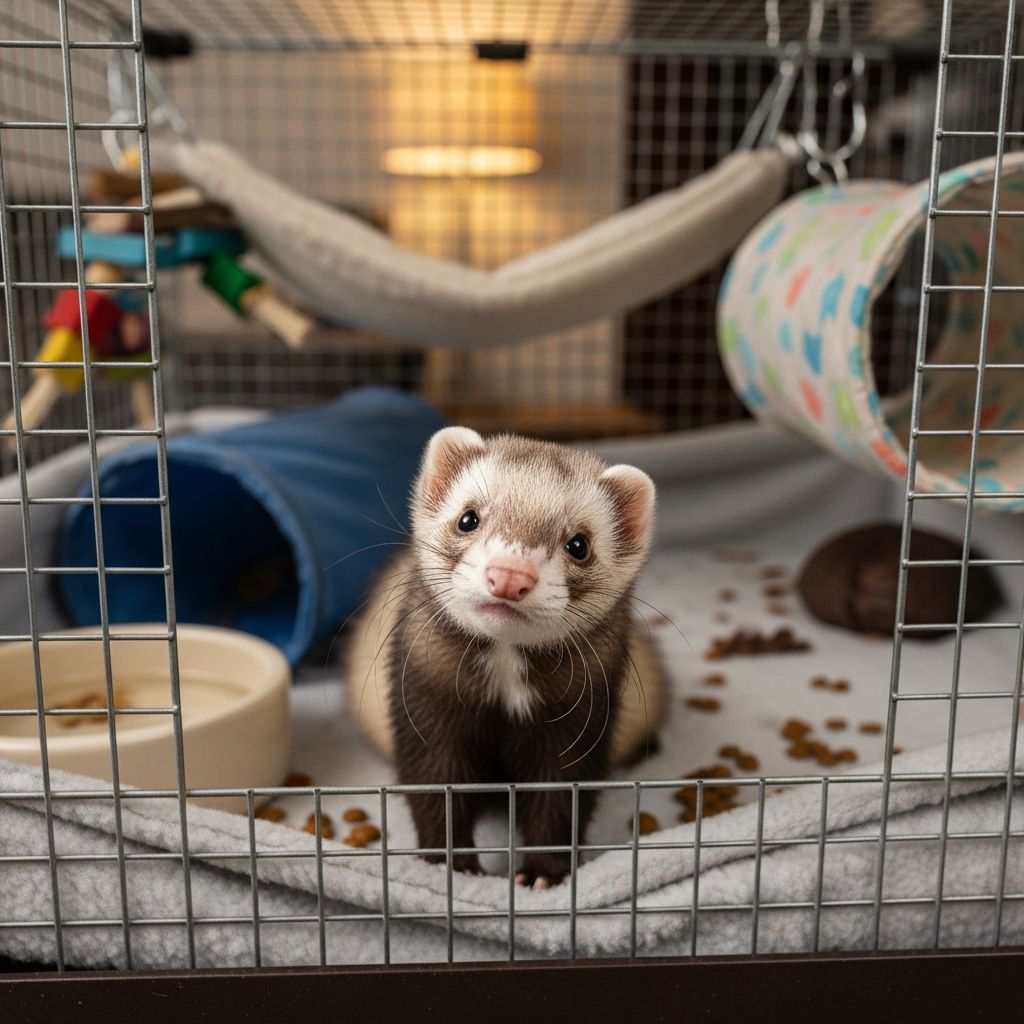
Are Ferrets Suitable Pets?
Ferrets can be delightful companions for dedicated owners, offering endless entertainment through their boundless energy and quirky behaviors, but they demand significant time, space, and financial commitment due to their exotic nature and specific needs.
The Allure of Ferret Companionship
Ferrets captivate many with their mischievous antics and affectionate personalities. These small mustelids, related to weasels and otters, thrive on interaction and often form deep bonds with their humans. Owners frequently describe them as clowns of the pet world, capable of turning ordinary moments into hilarious adventures. Their intelligence shines through in tricks like litter training or harness walking, making them stand out among exotic pets.
One key appeal lies in their social requirements. Ferrets are pack animals that dislike solitude, preferring constant companionship from family members or fellow ferrets. This sociability can reduce owner stress, providing therapeutic benefits akin to interacting with dogs or cats. Unlike noisier pets, ferrets remain remarkably quiet, sleeping up to 18 hours daily in short bursts, which suits quieter households.
Essential Housing and Environment Setup
Creating a ferret-friendly home starts with a spacious multi-level cage, as these agile creatures need room to climb and explore even when confined. Cages should include hammocks, tunnels, and toys to mimic their natural burrowing instincts. Daily out-of-cage time—several hours—is non-negotiable for physical and mental health.
Ferret-proofing is crucial. These escape artists squeeze into tiny spaces, chew electrical cords, and stash shiny objects like notorious kleptomaniacs. Secure cabinets, cover outlets, and remove small hazards to prevent injuries or escapes. For outdoor adventures, harness training allows safe walks, though supervision is always required.
| Aspect | Minimum Requirements | Tips for Success |
|---|---|---|
| Cage Size | 24x24x36 inches for one ferret | Add shelves and ferret-proof locks |
| Play Area | Fully ferret-proofed room | Rotate toys weekly to combat boredom |
| Daily Exercise | 4-6 hours free roam | Use tunnels and obstacles for enrichment |
Feeding and Nutritional Demands
As obligate carnivores, ferrets require high-protein diets excluding fruits, vegetables, or grains that could harm their sensitive systems. Quality ferret-specific kibble or raw meat diets best meet their needs, with frequent small meals due to fast metabolisms. Avoid commercial cat food long-term, as it lacks tailored nutrition.
Water must be fresh and accessible at all times. Treats should be meat-based and minimal to prevent obesity. Owners report raw feeding as optimal yet labor-intensive, involving safe sourcing and preparation to avoid bacterial risks. Budget for premium food, as cheaper options lead to health issues like insulinomas.
Grooming and Daily Maintenance Routines
Ferrets shed seasonally and benefit from weekly brushing to manage fur intake, reducing hairballs. Nail trims every few weeks prevent scratches, and ear cleaning keeps infections at bay. Bathe sparingly—monthly at most—as over-washing strips natural oils, intensifying their musky scent.
Litter training succeeds due to their fastidious nature, but expect accidents during play. Clean cages weekly, litter boxes daily, to control odors. Descentering—surgical removal of scent glands—helps minimize smell, though some odor persists.
Health Considerations and Veterinary Care
Ferrets face serious conditions like adrenal disease, lymphoma, and insulinomas, often striking middle-aged. Heartworm prevention is vital, as even one worm proves fatal; specialized testing and treatments require exotic vets. Lifespan averages 5-7 years, demanding emotional preparation for loss.
Regular check-ups, vaccinations, and spaying/neutering (mandatory for odor and cancer prevention) add costs. Finding a ferret-savvy vet is essential, as general practitioners may lack expertise. Early signs of illness—lethargy, weight loss—necessitate prompt action.
Behavioral Traits and Training Strategies
Ferrets communicate via nips, especially kits or during play, requiring patient bite-training through timeouts or yelps mimicking littermates. Their curiosity drives thieving and destruction if bored, so rotate enrichments. Harness training harnesses their love for exploration safely.
- Play Biting: Distract with toys; never hit, as it worsens behavior.
- Stealing: Provide alternatives like ferret balls.
- Sleep Patterns: Align play with their active crepuscular hours.
Financial Realities of Ferret Ownership
Initial setup exceeds $500: cage ($200+), accessories ($100), ferret ($150-300 from reputable breeders/shelters). Monthly costs hit $50-100 for food, litter, toys. Vet bills dominate—annual exams $100+, emergencies $500-2000. Multiple ferrets multiply expenses but enhance well-being.
Family Dynamics and Compatibility Factors
Ferrets suit active adults or older children with supervision; their speed and nips pose risks for toddlers. They cannot cohabitate with rodents or birds due to predatory instincts. Allergy sufferers appreciate dander-free fur, unlike cats. Solo ferrets suffer; pairs or groups ideal for busy owners.
Frequently Asked Questions
Can ferrets live alone?
No, they need constant interaction; consider pairs to prevent depression.
Do ferrets smell bad?
Moderately musky; descentering and cleaning minimize it.
Are ferrets good for apartments?
Yes, if ferret-proofed and play time provided; no yard needed.
How long do ferrets live?
Typically 5-7 years with proper care.
Can kids play with ferrets?
Older kids only; supervise to avoid bites or rough play.
Deciding If Ferrets Fit Your Life
Weigh the joy of their antics against high-maintenance realities. Research breeders, adopt from rescues, and volunteer first. Ferrets reward commitment with loyalty and laughter, but unprepared owners face stress. Commit fully or choose simpler pets.
References
- Potential Pros & Cons of Owning Ferrets — thatferret.blog. 2023. https://thatferret.blog/posts/potential-pros-and-cons-of-owning-ferrets/
- Ferrets As Pets? The PROS & CONS — YouTube (FerretTubeTV). 2023. https://www.youtube.com/watch?v=Qa_SMiuP0W8
- Fuzzy, Lovable Ferrets — Texas Veterinary Medical Foundation. 2024. https://www.tvmf.org/articles/fuzzy-lovable-ferrets/
Similar Articles








Read full bio of medha deb