

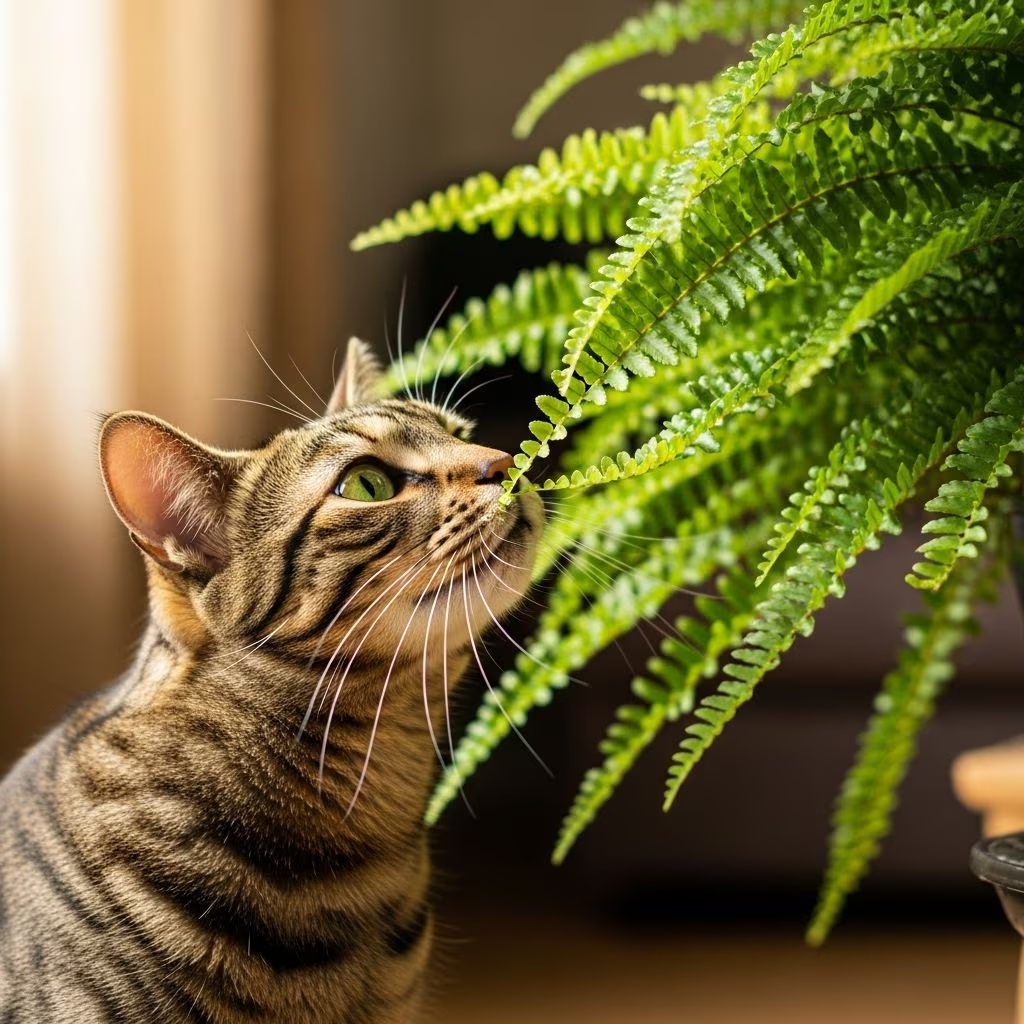
Are Ferns Toxic to Cats? A Complete Guide
When it comes to keeping houseplants around your feline companion, it’s essential to understand which plants pose a potential threat to their health and safety. Many cat owners assume that because ferns are delicate and leafy, they must be safe for their pets. However, the reality is more nuanced. Most true ferns are actually safe for cats to consume, but there are significant exceptions and important considerations every cat owner should understand.
The key distinction lies in understanding what constitutes a “true fern” versus plants that merely have “fern” in their name. This guide will help you navigate the complex world of fern toxicity, identify which species pose genuine risks, recognize poisoning symptoms, and know exactly what steps to take if your cat ingests a toxic plant.
Understanding Fern Toxicity in Cats
According to the ASPCA, ferns present a complicated picture when it comes to cat safety. True ferns are generally not poisonous to cats, which may come as a relief to many plant-loving pet owners. However, the caveat is crucial: toxicity depends entirely on the specific fern species and the quantity consumed.
The confusion surrounding fern toxicity stems from the fact that many plants with “fern” in their common name are not true ferns at all. These imposters can pose serious health risks to cats, even though they visually resemble genuine ferns. Understanding this distinction is the first step toward creating a safe environment for your beloved pet.
For true ferns, the primary concern is not poisoning from toxic compounds, but rather gastrointestinal upset from consuming large quantities of plant material. Cats lack the enzymes necessary to properly digest plant matter, so eating too much fibrous material can lead to digestive issues. In most cases, this results in mild to moderate symptoms that resolve on their own without requiring emergency veterinary care.
Toxic Ferns and Fern-Like Plants to Avoid
While many fern species are safe, certain varieties contain toxic compounds that can cause serious problems for cats. These plants require careful attention and should be kept completely away from your feline friend.
Asparagus Fern
The asparagus fern (Asparagus densiflorus) stands out as one of the most dangerous fern-like plants for cats. Also known as emerald feather, emerald fern, sprengeri fern, plumosa fern, and lace fern, this popular houseplant contains sapogenins—steroid compounds that are toxic to cats. Despite its delicate, lacy appearance and ability to thrive in low-light conditions, which make it attractive to many plant enthusiasts, it poses genuine health risks to your cat.
The toxicity of asparagus fern is classified as mild to moderate, but the effects on your cat can still be quite distressing. Sapogenins in this plant can cause vomiting, diarrhea, and abdominal pain. Additionally, skin irritation may occur if your cat comes into direct contact with the plant material. If you currently have an asparagus fern in your home, it should be relocated to a completely cat-free area or removed entirely.
Bird’s Nest Fern
Bird’s nest ferns (Asplenium nidus) are popular decorative plants known for their distinctive, nest-like shape and are often displayed in attractive planters throughout homes. While they are not as toxic as asparagus ferns, they can still cause gastrointestinal upset in cats. The specific toxic compounds in bird’s nest ferns remain unknown, but the symptoms are well-documented.
If your cat nibbles on a bird’s nest fern, you may notice mild vomiting, diarrhea, and loss of appetite. While these symptoms are typically mild and self-limiting, they can cause discomfort for your pet and stress for you. Close monitoring is essential if your cat has access to this plant.
Other Toxic Fern Varieties
Several other fern species can cause health problems for cats and should be avoided. The Autumn fern (Dryopteris erythrosora) and the Lady fern (Athyrium filix-femina) are examples of fern species that can trigger vomiting, diarrhea, and abdominal pain in cats. Before bringing any fern species into your home, it’s crucial to research its toxicity profile thoroughly or consult with your veterinarian.
Recognizing Symptoms of Plant Poisoning in Cats
Understanding the signs of plant poisoning is critical for early intervention and proper treatment. Symptoms can range from mild to severe, depending on the specific toxin and the quantity ingested. Here are the key warning signs to watch for:
Gastrointestinal Symptoms
Vomiting and diarrhea are the most common indicators that your cat has ingested a toxic plant. These symptoms often appear within hours of ingestion and may be accompanied by abdominal pain. Your cat might show signs of discomfort through restlessness, whining, or unwillingness to move normally.
Behavioral Changes
A poisoned cat may display lethargy and unusually low energy levels. Loss of appetite is another common symptom that can accompany plant poisoning. Your normally active and food-motivated cat may show no interest in their favorite meals.
Oral and Respiratory Signs
Excessive drooling can indicate irritation or inflammation in the mouth and throat. Some cats may also experience mouth or tongue irritation, difficulty swallowing, or foaming at the mouth. In severe cases, more serious neurological symptoms such as tremors or seizures may occur, along with respiratory or cardiovascular depression.
What to Do If Your Cat Has Eaten a Fern
If you suspect your cat has ingested a toxic fern, quick action is essential. Here’s what you should do:
Immediate Steps
- Stay calm and assess the situation
- Identify the specific plant if possible
- Remove your cat from access to the plant
- Note the approximate time of ingestion
- Contact your veterinarian or poison control immediately
Information to Provide
When contacting your veterinary professional, be prepared with the following information:
- The exact name of the plant (common and scientific names if available)
- The approximate quantity consumed
- The time the ingestion occurred
- Your cat’s age, weight, and overall health status
- Any symptoms your cat is currently displaying
Treatment Options for Fern Toxicity
Veterinary treatment for plant poisoning depends on several factors, including the specific toxin involved, the quantity ingested, and the severity of symptoms. Your veterinarian will develop a treatment plan tailored to your cat’s specific situation.
Decontamination
In many cases, inducing vomiting in cats is difficult or inadvisable. Instead, veterinarians often recommend decontamination procedures, which may involve administering activated charcoal. This substance binds to toxins in the gastrointestinal tract, preventing their absorption into the bloodstream.
Symptomatic Care
For mild cases of fern toxicity, treatment typically focuses on managing symptoms. Your veterinarian may prescribe medications to address nausea, vomiting, or diarrhea. Supportive care helps your cat’s body recover while the toxin is processed and eliminated.
Intensive Treatment
More severe cases may require hospitalization and intensive care. Your cat might receive intravenous fluids to maintain hydration and support organ function. Your veterinarian may also recommend diagnostic tests to assess liver and kidney function, as certain plant toxins can affect these vital organs. In the most serious cases, your cat may require several days of hospitalization with continuous monitoring and supportive care.
Prevention: Creating a Cat-Safe Home
The best approach to fern toxicity is prevention. By understanding which plants are safe and taking precautions with toxic varieties, you can significantly reduce the risk of plant poisoning in your home.
Plant Selection Strategy
When choosing houseplants for a cat-friendly home, prioritize species that are confirmed safe for cats. Research the scientific name of any plant before bringing it home, and don’t rely solely on common names, which can be misleading. When in doubt, consult the ASPCA’s comprehensive toxic and non-toxic plant list or ask your veterinarian for recommendations.
Placement and Access Control
Keep all potentially toxic plants in locations where your cat cannot access them. This might mean placing them on high shelves, in closed rooms, or in hanging planters positioned high enough that your cat cannot reach them. Remember that cats are excellent climbers, so “high” must be genuinely inaccessible to your particular pet.
Monitoring Behavior
Pay attention to your cat’s behavior around plants. If you notice your cat showing interest in a particular fern or plant, move it to a safer location immediately. Some cats are naturally curious about vegetation and may be more prone to nibbling on plants than others. Understanding your individual cat’s tendencies helps you make informed decisions about which plants to keep in your home.
Quantity Considerations
Even non-toxic plants can cause gastrointestinal upset if your cat consumes large quantities. The fibrous texture of plant material can irritate the mouth and throat and cause digestive problems. This is why even safe true ferns should be kept out of your cat’s regular reach when possible.
Safe Alternatives to Toxic Ferns
If you love the look of ferns but are concerned about toxicity, consider some safe alternatives. Plants like spider plants, Boston ferns (in moderation, as they’re not directly toxic but can cause upset in large quantities), African violets, and certain palm varieties are safe for cats. These options allow you to maintain beautiful greenery in your home while keeping your cat protected.
Frequently Asked Questions
Q: Are true ferns poisonous to cats?
A: No, true ferns are generally not poisonous to cats. The main concern is gastrointestinal upset from consuming large quantities of plant material. However, plants with “fern” in their name may not be true ferns and could be toxic.
Q: What happens if my cat eats a fern?
A: If your cat eats a true fern, the worst likely outcome is a mild upset stomach. If your cat ingests a toxic fern species like asparagus fern, symptoms may include vomiting, diarrhea, abdominal pain, and skin irritation. Seek veterinary attention for persistent symptoms.
Q: Are ferns poisonous to cats if they smell them?
A: No, ferns are not poisonous to cats simply from smelling them. The toxicity only occurs when plant material is ingested. Smelling a fern poses no health risk to your cat.
Q: How can I tell if my fern is toxic?
A: Research the scientific name of your fern species and check it against the ASPCA’s toxic plant list. Consult your veterinarian or call a pet poison control hotline if you’re unsure about a specific plant.
Q: What should I do immediately if my cat eats a toxic fern?
A: Contact your veterinarian or pet poison control hotline immediately. Provide information about the plant species, the quantity consumed, and when ingestion occurred. Do not attempt home treatment without professional guidance.
Q: Can fern toxicity be fatal to cats?
A: Most common fern toxicities are not fatal, though they can cause significant discomfort. However, some toxic plants like fern palms can cause serious complications including liver failure. Prompt veterinary treatment can prevent serious complications.
Conclusion: Keeping Your Cat Safe
While the fern toxicity situation for cats is not as dire as it might initially seem, understanding the distinction between true ferns and toxic look-alikes is essential for every cat owner. Most true ferns are safe for your cat, but certain species like asparagus ferns pose genuine health risks. By taking time to research your plants, monitor your cat’s behavior around vegetation, and know the signs of plant poisoning, you can create a beautiful, plant-filled home that’s also a safe haven for your feline friend. When in doubt, consult your veterinarian—their expertise is invaluable in keeping your beloved cat healthy and happy.
References
- Are Ferns Toxic to Cats? — Kinship. 2025. https://www.kinship.com/cat-health/are-ferns-toxic-to-cats
- Toxic and Non-Toxic Plant List — Cats — ASPCA Animal Poison Control Center. 2025. https://www.aspca.org/pet-care/animal-poison-control/cats-plant-list
- Ferns Is Toxic To Cats — Pet Poison Helpline. 2025. https://www.petpoisonhelpline.com/poison/ferns/
- Are Ferns Toxic to Cats? A Guide to Safe and Toxic Fern Species — Hooluxe. 2025. https://hooluxe.com/en-lu/blogs/pet-knowledge-base/are-ferns-toxic-to-cats-a-guide-to-safe-and-toxic-fern-species
- Is Boston Fern Toxic to Cats and Dogs? A Toxicity Guide — Lively Root. 2025. https://www.livelyroot.com/blogs/plant-care/boston-fern-toxicity-guide
- 10 Household Plants That Are Dangerous to Dogs and Cats — Community Veterinary Practice. 2025. https://www.communityveterinarypractice.com/care_guide.html



