

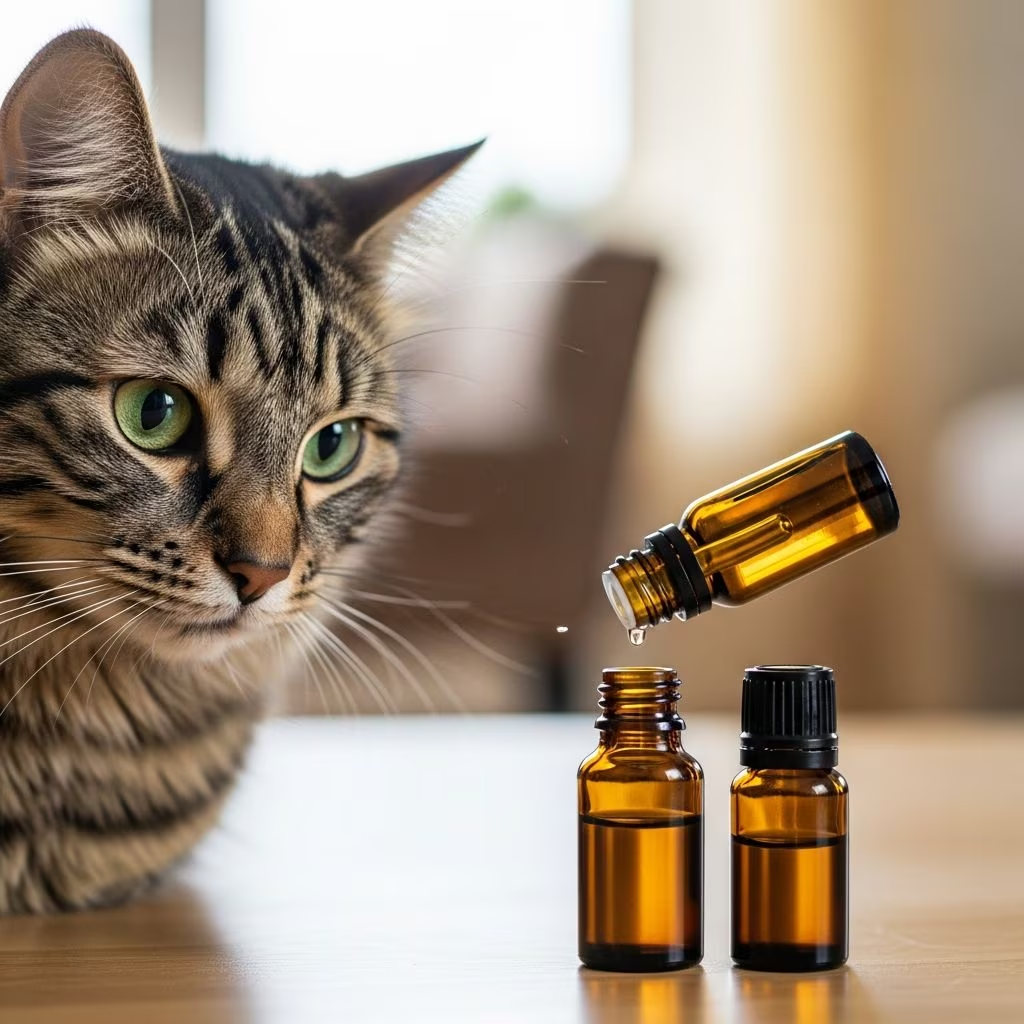
Cats lack key liver enzymes like glucuronosyltransferase needed to metabolize essential oils, making even small exposures potentially toxic through skin absorption, ingestion, or inhalation. This leads to rapid accumulation in the bloodstream and liver, causing severe health issues from respiratory distress to liver failure.
Why Are Essential Oils Dangerous for Cats?
Unlike humans and dogs, cats cannot efficiently break down phenolic compounds, terpenes, and ketones found in essential oils due to deficient liver enzymes. These substances build up quickly, leading to toxicity. Essential oils are highly concentrated plant extracts; a common myth is their natural origin makes them safe, but for cats, this concentration amplifies risks.
Cats are meticulous groomers, licking oils off their fur after skin contact or inhaling diffused vapors that settle on surfaces. Diffusers aerosolize oils, irritating respiratory tracts, especially in cats with asthma or heart disease, potentially triggering coughing, breathing difficulties, or exacerbating underlying conditions.
How Do Cats Get Exposed to Essential Oils?
Cats encounter essential oils through multiple routes, each carrying significant risk:
- Topical application: Direct skin contact absorbs oils rapidly; never apply to fur or skin.
- Inhalation: Diffusers spread vapors that cats breathe in or that coat their fur for later ingestion.
- Ingestion: Grooming removes residues; spilled diffusers invite licking.
- Indirect contact: Oils on owners’ hands or clothing transfer during petting.
Higher concentrations from undiluted oils or prolonged exposure increase danger, with smaller, younger, or older cats at greater risk due to size and metabolism.
Which Essential Oils Are Toxic to Cats?
Most essential oils pose risks, but these are particularly hazardous, causing severe poisoning:
| Essential Oil | Known Risks |
|---|---|
| Tea Tree (Melaleuca) | Liver damage, ataxia, tremors |
| Wintergreen | Salicylate poisoning, metabolic acidosis |
| Oil of Sweet Birch | Similar to wintergreen, severe toxicity |
| Citrus Oils (e.g., Lemon, Orange) | Dermal irritation, liver strain at high doses |
| Pine Oil | Respiratory irritation, toxicity |
| Ylang-Ylang | Neurological effects |
| Peppermint | Gastrointestinal upset, aspiration risk |
| Cinnamon | Mucous membrane burns, liver failure |
| Pennyroyal | Liver/kidney failure |
| Clove | Coagulation issues |
| Eucalyptus | Respiratory depression; caution advised despite some protective studies |
| Lavender | Skin irritation, potential toxicity |
Even ‘safer’ oils like tansy or rue lack strong veterinary endorsement for cats; always err on caution.
Symptoms of Essential Oil Toxicity in Cats
Signs vary by oil, exposure route, amount, and cat’s health but appear rapidly:
- Mild: Drooling, vomiting, diarrhea, pawing at mouth.
- Moderate: Ataxia (wobbliness), tremors, low heart rate, low body temperature.
- Severe: Difficulty breathing, seizures, liver failure, coma.
- Respiratory: Coughing, wheezing, exacerbated asthma.
Monitor closely post-exposure; symptoms can escalate quickly to fatal outcomes like respiratory arrest or organ failure.
What Should You Do If Your Cat Is Exposed?
- Remove exposure: Move cat to fresh air; ventilate area.
- Do NOT bathe: Soaps may worsen absorption.
- Observe: Watch for symptoms; note oil type, amount, exposure method.
- Contact vet immediately: Even mild signs warrant professional care; provide cat’s weight, age.
- Vet treatment: May include decontamination, IV fluids, blood tests for liver/kidney function, medications for symptoms.
Quarantine pets from oiled areas; avoid contact until scents dissipate.
Are There Any Safe Ways to Use Essential Oils Around Cats?
Veterinarians overwhelmingly advise against essential oils near cats due to risks outweighing unproven benefits. If using:
- Diffuse in cat-free rooms with ventilation.
- Ensure escape routes to fresh air.
- Wash hands thoroughly before handling cat.
- Avoid high-risk cats (kittens, seniors, ill).
Some owners anecdotally report flea repulsion with diluted rosemary/cedarwood or mood benefits, but risks dominate; consult vet first. Scientific backing for cat-safe use is limited.
Safe Alternatives to Essential Oils for Cats
Opt for vet-approved options:
- Flea control: Prescription topicals/orals like fipronil.
- Calming: Pheromone diffusers (Feliway), prescription anxiolytics.
- Aromas: Cat-safe herbs like catnip, silver vine in moderation.
- Cleaning: Pet-safe disinfectants without phenols.
- Wellness: Balanced diet, regular vet checkups, environmental enrichment.
Hydrosols (milder plant waters) may offer lower risk but require veterinary guidance.
Frequently Asked Questions (FAQs)
Can I diffuse essential oils if my cat has access to another room?
It’s risky; vapors spread, and cats may groom residues. Provide ample fresh air access and monitor closely, but avoidance is safest.
Is tea tree oil ever safe for cats?
No, tea tree is highly toxic even diluted; causes severe neurological and liver issues.
What if my cat seems fine after exposure?
Symptoms can delay; observe 24-48 hours and consult vet if any changes occur.
Are there essential oils vets recommend for cats?
Rarely; most advise against. Some studies question blanket bans on low-dose diffusion of certain oils like citrus, but consensus prioritizes safety.
Can essential oils help with my cat’s anxiety?
Unproven and dangerous; use pheromone products or behavioral therapy instead.
References
- The Hidden Dangers Of Using Essential Oils On Your Pet — Cypress Animal Clinic. Accessed 2026. https://www.cypressanimalclinic.net/dangers-using-essential-oils-pet/
- Are Essential Oils Safe for Cats? — PetMD. Accessed 2026. https://www.petmd.com/cat/are-essential-oils-safe-cats
- ESSENTIAL OIL DIFFUSERS AND PET SAFETY — Abandoned Pet Rescue. Accessed 2026. https://abandonedpetrescue.org/essential-oil-diffusers-and-pet-safety/
- What to Know About the Risks of Essential Oils for Cats — WebMD Pets. Accessed 2026. https://www.webmd.com/pets/cats/risks-of-essential-oils-for-cats
- The Science behind Cats and Essential Oils — McConnellsburg Vet. Accessed 2026. http://www.mcconnellsburgvet.com/the-science-behind-cats-and-essential-oils
- Essential Oils For Pets — American College of Healthcare Sciences. Accessed 2026. https://achs.edu/blog/essential-oils-for-pets/
- The Essentials of Essential Oils Around Pets — ASPCA. Accessed 2026. https://www.aspca.org/news/essentials-essential-oils-around-pets



