

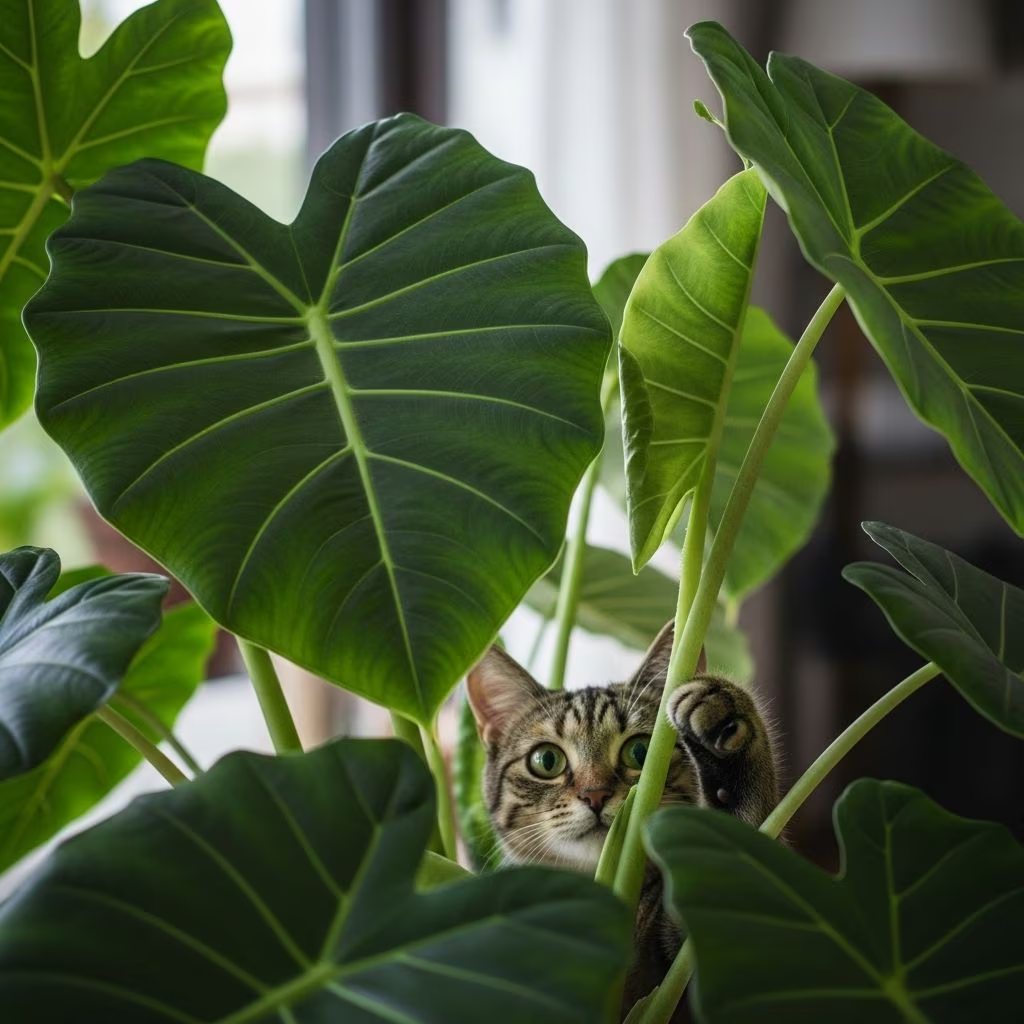
Elephant ears, scientifically known as Alocasia, are popular houseplants prized for their large, dramatic leaves resembling elephant ears. While visually stunning, these plants from the Araceae family pose a significant risk to cats due to insoluble calcium oxalate crystals. Ingestion causes intense oral irritation, drooling, vomiting, and potentially severe complications. All parts of the plant are toxic, making it unsafe for feline households.
What Are Elephant Ears (Alocasia)?
Alocasia, commonly called elephant ears, African mask, or Krispy Waves, features bold, arrow-shaped leaves in shades of green, black, or variegated patterns. Native to tropical Asia and Australia, they thrive indoors as houseplants, growing up to 12 feet tall in ideal conditions. Their appeal lies in the textured, glossy foliage, but the sap contains needle-like raphides—calcium oxalate crystals—that penetrate soft tissues upon chewing.
These plants prefer bright, indirect light, high humidity, and well-draining soil. Popular varieties include Alocasia Polly, Dragon Scale, and Zebrina. Gardeners love them for their exotic look, but cat owners must prioritize safety, as even brief nibbling triggers painful reactions.
Are Elephant Ears (Alocasia) Toxic to Cats?
Yes, **elephant ears (Alocasia) are toxic to cats**. The ASPCA lists them as toxic, confirming calcium oxalate crystals as the culprit. When cats bite into leaves or stems, crystals release, embedding in the mouth, tongue, and throat like tiny needles. This leads to immediate pain and inflammation.
Toxicity affects all parts: leaves, stems, roots, and sap. Even touching can irritate skin, but ingestion is the primary concern. While rarely fatal, large amounts can cause airway swelling or secondary issues like dehydration from vomiting.
Symptoms of Alocasia Poisoning in Cats
Cat poisoning symptoms from Alocasia appear rapidly, often within minutes of ingestion. Watch for these signs:
- Excessive drooling or foaming at the mouth
- Pawing at the face or mouth due to pain
- Intense oral irritation, burning sensation
- Swelling of lips, tongue, or throat
- Vomiting and nausea
- Difficulty swallowing (dysphagia)
- Decreased appetite or refusal to eat
- Diarrhea in some cases
- Rarely: labored breathing, hoarseness, or lethargy
Severe cases may involve cardiac issues or kidney strain, though uncommon. Symptoms mirror those in dogs and horses, emphasizing broad pet toxicity.
What to Do If Your Cat Eats Elephant Ears (Alocasia)
Act immediately if you suspect Alocasia ingestion. Do not induce vomiting, as it worsens oral damage. Rinse your cat’s mouth gently with cool water or milk to soothe irritation. Contact professionals:
- Call ASPCA Animal Poison Control: (888) 426-4435
- Pet Poison Helpline: (855) 764-7661 (fee may apply)
- Your veterinarian or emergency clinic
Provide details: plant amount ingested, time elapsed, symptoms. Vets may administer pain relief, anti-inflammatories, or IV fluids. Most cats recover with supportive care within 24-48 hours.
How Do Vets Treat Alocasia Poisoning?
Veterinary treatment focuses on symptom relief:
| Treatment | Purpose |
|---|---|
| Mouth rinsing with water/milk | Remove crystals, reduce irritation |
| Pain medications (e.g., buprenorphine) | Alleviate oral pain |
| Anti-nausea drugs (e.g., maropitant) | Prevent vomiting |
| IV fluids | Combat dehydration |
| Histamine blockers or steroids | Reduce swelling |
| Monitoring for airway obstruction | Handle rare severe cases |
Prognosis is excellent with prompt care; fatalities are rare unless massive ingestion occurs.
Why Do Cats Eat Elephant Ears (Alocasia)?
Curiosity drives cats to nibble plants. Alocasia’s movement in air currents mimics prey, and teething kittens explore textures. Boredom, nutritional gaps, or fiber-seeking behavior contribute. Indoor cats with limited stimuli are prone.
How to Prevent Cat Poisoning from Elephant Ears
Prevention is key:
- Remove the plant: Best option for cat safety.
- Elevate or hang: Place high shelves or macrame hangers out of reach.
- Use barriers: Plant enclosures or rooms cats can’t access.
- Deterrents: Citrus sprays, aluminum foil, or motion-activated air puffs.
- Enrich environment: Cat trees, toys, and grass alternatives reduce plant interest.
- Supervise: Watch kittens and new plants closely.
For outdoor gardens, fences work for dogs but less for cats.
Cats Safe Plants & Alternatives to Elephant Ears (Alocasia)
Opt for non-toxic beauties:
- Spider Plant (Chlorophytum comosum)
- Parlor Palm (Chamaedorea elegans)
- Boston Fern (Nephrolepis exaltata)
- Calathea (various species)
- Prayer Plant (Maranta leuconeura)
- Areca Palm (Dypsis lutescens)
These mimic Alocasia’s lush vibe without risks. Verify ASPCA lists.
Related Toxic Plants Similar to Elephant Ears (Alocasia)
Araceae family kin share oxalate risks:
- Monstera Deliciosa (Swiss Cheese Plant)
- Philodendron
- Pothos (Epipremnum aureum)
- Peace Lily (Spathiphyllum)
- Caladium (similar elephant ears)
- Calla Lily (Zantedeschia)
Avoid these; symptoms identical.
Frequently Asked Questions
Are elephant ears toxic to cats?
Yes, Alocasia contains calcium oxalate crystals toxic to cats, causing oral pain, drooling, and vomiting.
What happens if a cat eats elephant ears?
Expect drooling, pawing at mouth, swelling, vomiting. Seek vet care immediately.
Are all elephant ear plants toxic?
Alocasia and Caladium yes; Colocasia (taro) milder but still risky.
Can elephant ears kill cats?
Rarely fatal, but severe swelling or large ingestion can be dangerous.
Are there cat-safe elephant ear alternatives?
Yes, like Calathea or parlor palm for similar aesthetics.
References
- Are Elephant Ears Poisonous? — Plant Addicts. Accessed 2026. https://plantaddicts.com/are-elephant-ears-poisonous/
- Toxic and Non-toxic Houseplants for Pets – a Full Guide — BWH Plant Co. Accessed 2026. https://bwhplantco.com/blogs/beyond-the-basics/toxic-and-non-toxic-houseplants-for-pets-a-full-guide
- Four Common Houseplants that are Toxic to Cats and Dogs — Animal Emergency & Referral Center. Accessed 2026. https://aercmn.com/four-common-houseplants-that-are-toxic-to-cats-and-dogs/
- Alocasia Are Toxic To Pets — Pet Poison Helpline. Accessed 2026. https://www.petpoisonhelpline.com/poison/alocasia/
- Elephant Ears – Toxic and Non-toxic Plants — ASPCA. Accessed 2026. https://www.aspca.org/pet-care/aspca-poison-control/toxic-and-non-toxic-plants/elephant-ears
- Elephant Ear Poisoning in Cats — WagWalking. Accessed 2026. https://wagwalking.com/cat/condition/elephant-ear-poisoning



