

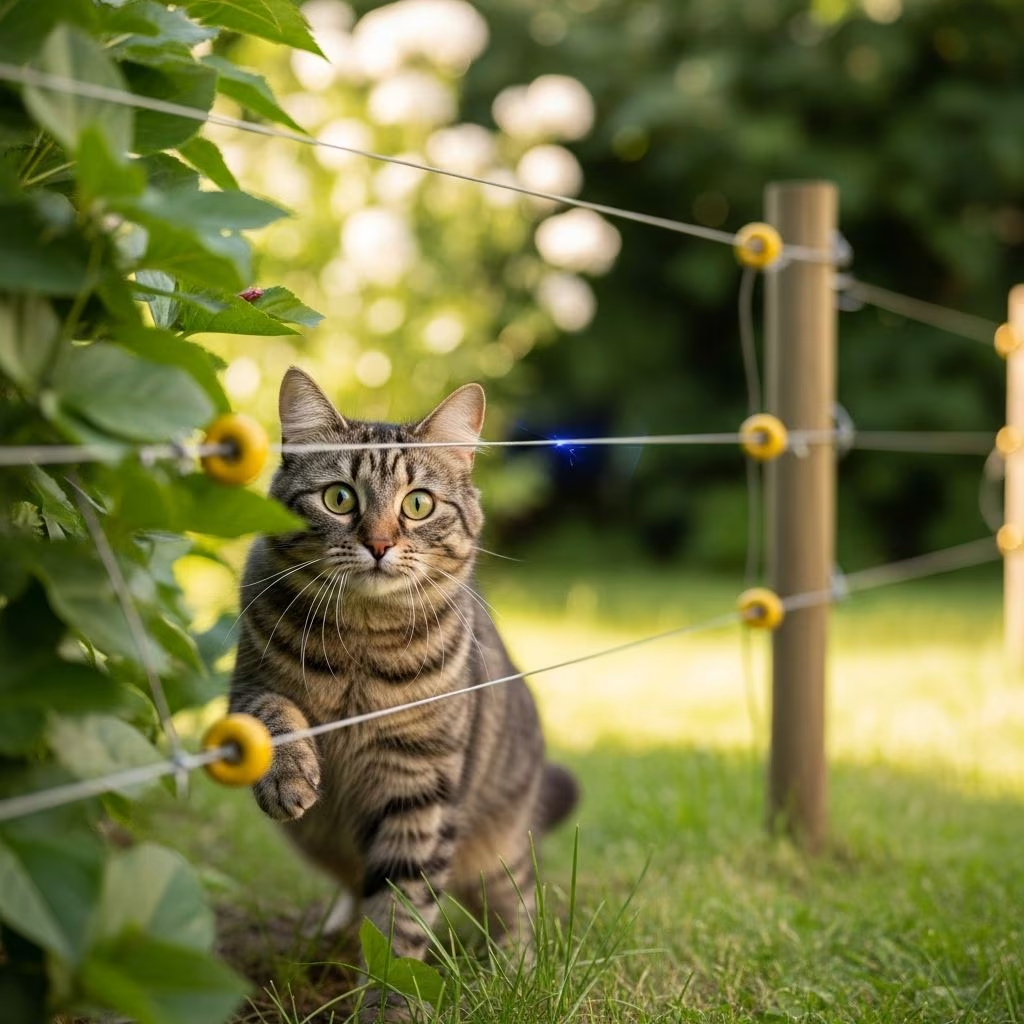
Electric fences can deter cats by delivering a shock upon contact, but they pose significant health risks, particularly for cats with pre-existing conditions like heart problems, making them generally unsafe for feline use.
Designed primarily for livestock, these fences create an incomplete electrical circuit that completes when touched, sending a pulsed shock to train animals to avoid the boundary. While effective for larger animals like cattle, cats’ smaller size amplifies the shock’s impact, potentially causing internal injuries or behavioral issues.
How Do Electric Fences Work?
Electric fences operate on a simple principle: they form an energizer that sends high-voltage, low-amperage pulses through metal wires. When a cat—or any conductor—touches the wire and grounds the circuit (often via paws on the earth), the pulse delivers a sharp but brief shock.
- Battery or mains powered: Portable units run on batteries for remote areas, while permanent setups connect to household electricity.
- Wire configuration: Livestock fences use 3-4 widely spaced wires, allowing agile cats to jump through gaps. Home versions for pets feature tighter spacing to block passage physically, but the shocking mechanism remains identical.
- Pulse delivery: Shocks pulse every 1-2 seconds, lasting milliseconds, aiming to condition avoidance rather than continuous harm.
For cats, even low-power settings can overwhelm their sensitive nervous systems due to their lightweight bodies (typically 8-12 lbs vs. cattle at 1,000+ lbs).
What Happens If a Cat Gets Shocked by an Electric Fence?
A shocked cat experiences a sudden, painful jolt that triggers an instinctive retreat. Severity varies by fence voltage (often 2,000-10,000 volts), contact duration, and the cat’s path—brushing vs. full-body collision.
Immediate effects include muscle contractions, yelping, and fleeing. More serious outcomes, though less common, encompass:
- Burns: Localized skin or paw pad scorching from arcing electricity.
- Cardiac issues: Arrhythmia or ventricular fibrillation, especially risky for senior cats or those with cardiomyopathy.
- Neurological damage: Seizures, disorientation, or temporary paralysis if the shock disrupts brain signals.
- Respiratory distress: Lung spasms leading to aspiration or pulmonary edema in severe cases.
In panic scenarios—like chasing prey or fleeing predators—cats may receive repeated shocks, escalating trauma. Veterinary intervention is crucial post-shock, involving ECGs, bloodwork, and supportive care.
Why You Shouldn’t Use an Electric Fence for Cats
Despite their deterrent effect, electric fences are ill-suited for cats due to physiological vulnerabilities and ethical concerns. Here are the primary reasons to avoid them.
1. Potential Health Risks
Cats’ compact organs and thin skin make them susceptible to disproportionate harm. A shock calibrated for cows can induce electroporation—cellular membrane rupture—damaging hearts, livers, or kidneys. Cats with hypertrophic cardiomyopathy (affecting 15% of seniors) face amplified arrhythmia risks.
2. Behavioral Trauma
Shocks instill fear, potentially causing anxiety disorders, aggression, or phobias. Studies indicate aversive training like shocks worsens welfare, eroding trust in owners and environments.
3. Ineffective Containment
Determined or startled cats may vault over or squeeze through gaps, ending up stranded outside. Re-entry triggers another shock, reinforcing escape rather than deterrence.
4. Repeated Shocks
Full-speed impacts deliver multiple pulses as the cat thrashes. Vertical leaps in panic contact upper wires, prolonging exposure and intensifying stress.
One study in the Journal of Veterinary Behavior links shock collars (similar mechanism) to heightened fear, reduced learning, and new behavioral pathologies.
Alternatives to Electric Fences for Cats
Safer options prioritize physical barriers over pain, allowing safe outdoor enrichment without risks. These cat-specific solutions mimic natural territories while preventing escapes.
Catios and Cat Enclosures
A catio (cat patio) is a screened outdoor room attached to homes, offering climbing, perching, and fresh air. Custom builds range from DIY PVC frames with mesh to prefab kits ($500-$5,000).
- Materials: Galvanized steel mesh (1/2-inch apertures) resists claws and chewing.
- Features: Shelves, tunnels, plants for stimulation.
- Benefits: Predator-proof, no shocks, supervised play.
Cat Fencing (Cat-Proof Barriers)
These extend existing fences with overhangs or nets, thwarting jumps. Systems like roller tops or inward-angled mesh create “escape-proof” tops.
| Type | Description | Cost Estimate | Pros |
|---|---|---|---|
| Oscillating Rollers | Spinning PVC tubes on fence tops; cats push off but roll back. | $20-50 per linear foot | No climbing grip, humane. |
| Mesh Extensions | Nylon/steel netting angled inward 45 degrees. | $15-40 per foot | Visual barrier, lightweight. |
| Electric-Free Wire Add-Ons | Non-powered taut wires mimicking electric spacing without voltage. | $10-30 per foot | Visual deterrent only. |
Installation tip: Block digging with buried L-footings (12 inches deep).
Cat Balconies
For apartments, enclosed balconies with safety netting provide vertical space. Ensure wind-resistant anchors and escape-proof latches.
Physical Fences vs. Electric: A Comparison
| Aspect | Physical Fence | Electric Fence |
|---|---|---|
| Safety | No pain or injury risk | Shocks can cause burns, heart issues |
| Containment Reliability | 100% with proper height (6-8 ft) | Failures in motivated cats |
| Intruder Protection | Blocks wildlife, strays | One-way; predators enter freely |
| Pet Stress | Visual boundaries reduce anxiety | Fear-based, erodes trust |
| Cost Long-Term | Durable, low maintenance | Batteries, repairs add up |
Physical options foster confidence, unlike shocks’ paranoia-inducing effects.
Frequently Asked Questions (FAQs)
What voltage is safe for cats on electric fences?
No voltage is truly safe; even low settings (under 5,000V) risk arrhythmia in sensitive cats. Vets advise against them entirely.
Can cats jump over electric fences?
Yes, athletic breeds like Bengals clear 6-foot fences. Wide wire gaps exacerbate this.
Are invisible shock collars better than fences?
No; both deliver neck shocks, worsening behavior per veterinary studies.
How high should a cat fence be?
Minimum 6 feet with 2-foot overhangs or rollers for jump-proofing.
Do electric fences keep predators out?
Partially, but gaps allow coyotes or foxes entry, leaving cats vulnerable.
Conclusion
Electric fences work via shocks but endanger cats’ health and well-being, from organ damage to chronic fear. Opt for humane alternatives like catios, proofed fencing, or enclosures to grant safe adventures. Consult vets for tailored setups ensuring your cat thrives outdoors without peril.
References
- Do Electric Fences Work On Cats? Vet Approved Advice — Catster. 2023. https://www.catster.com/lifestyle/are-electric-fences-safe-for-cats/
- Why Electric Pet Fences are Harmful and Safe Alternatives — EasyPetFence. 2023. https://easypetfence.com/blogwhy-electric-pet-fences-are-harmful-and-safe-alternatives/
- Electric Dog Fence and Fencing for Pets — Zareba Systems. 2024. https://www.zarebasystems.com/learning-center/animal-selector/pets-dogs-cats



