

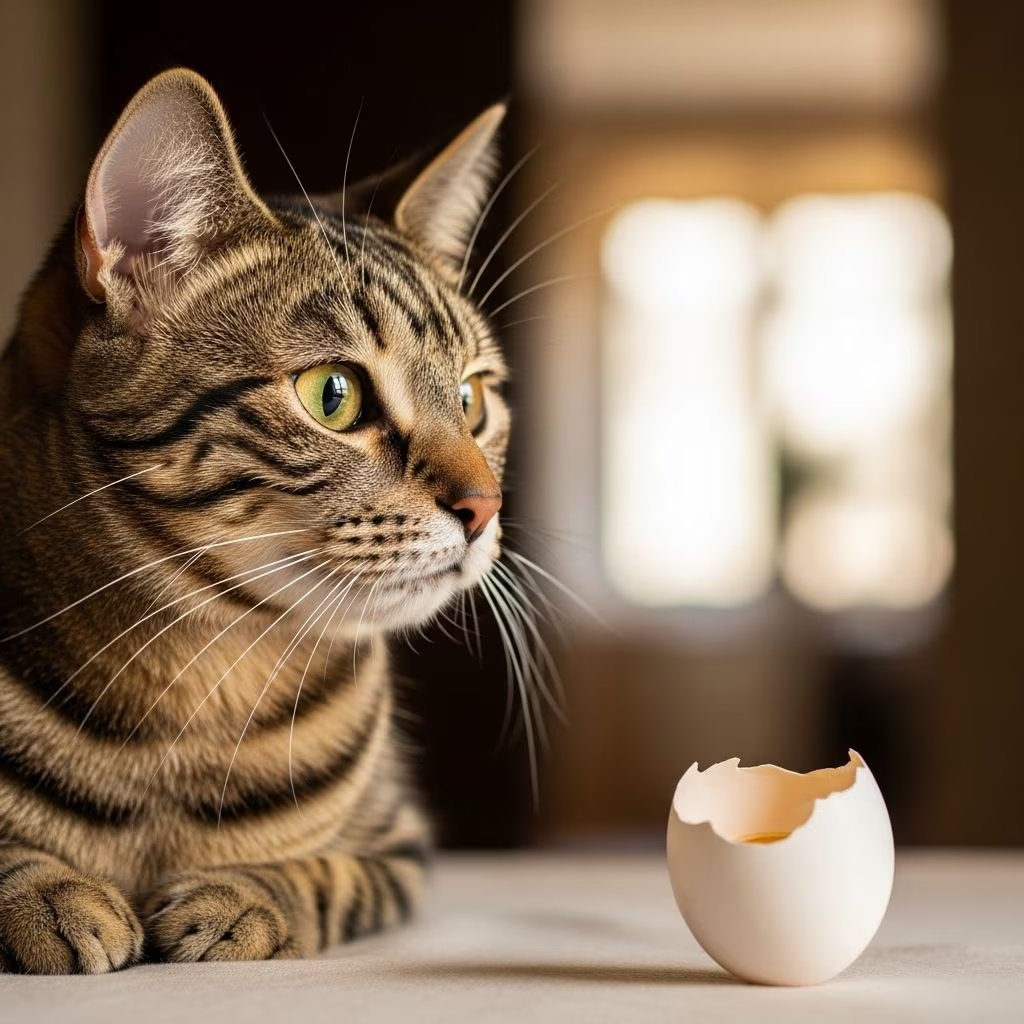
Eggs provide a nutrient-dense option for cats when properly prepared, offering high-quality protein and essential vitamins that support overall health. However, they must be fully cooked to avoid bacterial contamination and nutrient absorption issues common with raw forms.
Nutritional Advantages of Eggs in Feline Diets
Eggs stand out as a complete protein source, containing all the essential amino acids cats require for muscle maintenance and energy. A single large egg delivers approximately 6 grams of protein, along with 10 of the 11 amino acids vital for feline physiology. These building blocks aid in tissue repair, immune function, and metabolic processes tailored to a cat’s obligate carnivore needs.
Beyond protein, eggs supply key vitamins like A, B12, and riboflavin, which promote healthy vision, nerve function, and energy metabolism. Minerals such as selenium and phosphorus contribute to antioxidant defense, bone strength, and cellular health. The fatty acids in yolks support skin condition and lustrous coats, making eggs a beneficial occasional supplement to commercial cat food.
- Protein Quality: Highly digestible and rich in taurine precursors.
- Vitamin Boost: Supports nervous system and digestion.
- Mineral Support: Enhances blood cell production and oxidative stress resistance.
Risks Associated with Raw Eggs for Cats
Raw eggs pose significant health threats due to potential pathogens like Salmonella and E. coli, which can lead to severe gastrointestinal distress including vomiting, diarrhea, and lethargy. These bacteria thrive in uncooked eggs, and felines are particularly vulnerable, with infections sometimes proving fatal or transmissible to humans.
Additionally, raw egg whites contain avidin, a protein that binds biotin—a B vitamin crucial for skin, coat, and metabolic health—preventing its absorption and potentially causing deficiencies over time. Cooking neutralizes avidin and eliminates most bacterial risks, rendering eggs safe.
| Risk Factor | Raw Eggs | Cooked Eggs |
|---|---|---|
| Bacterial Infection (Salmonella, E. coli) | High risk | Low to none |
| Biotin Deficiency (Avidin) | Significant | Eliminated |
| Avian Flu Potential | Possible | None |
Optimal Preparation Methods for Cat-Safe Eggs
To maximize safety and nutrition, prepare eggs plainly without additives. Boiled eggs retain full nutritional integrity without excess fats, making them ideal. Scrambled eggs work well if cooked in a non-stick pan sans oil, butter, salt, or spices—ingredients like onions, garlic, cheese, or milk can cause toxicity or upset.
Portion control is essential: limit to 1-2 teaspoons per serving for average cats, equating to no more than 10% of daily calories. Overfeeding introduces excess fat and calories, heightening obesity and pancreatitis risks, especially from yolks.
- Boil fully until yolks solidify.
- Scramble plainly on low heat.
- Avoid frying or baking with seasonings.
- Cool completely before serving.
Understanding Egg Whites vs. Yolks for Cats
Egg whites offer lean protein ideal for weight-conscious cats, providing biotin-free nutrition post-cooking. Yolks, while nutrient-rich in fats and vitamins, carry higher calories—best in tiny amounts to prevent digestive overload or cholesterol imbalances.
Cats may show preferences; some favor whites for texture, others yolks for flavor. Monitor responses and adjust, always prioritizing whites for frequent treats.
- Whites: Low-fat, high-protein; 1 tablespoon max per meal.
- Yolks: Vitamin-dense but caloric; occasional only.
- Whole Egg: Balanced for rare treats.
Incorporating Eggs into a Balanced Cat Diet
High-quality commercial cat foods already incorporate egg derivatives for nutrition, so treats like eggs should supplement, not replace, core meals. Feed 1-2 times weekly maximum, observing for allergies—rare but possible signs include itching, sneezing, or diarrhea.
Kittens, seniors, or cats with conditions like pancreatitis or obesity require vet approval before introduction. Eggs complement raw or wet diets but never substitute balanced formulas meeting AAFCO standards.
Health Conditions and When to Avoid Eggs
Cats prone to fat intolerance, gastrointestinal sensitivities, or specific allergies should skip eggs. Excess yolks exacerbate pancreatitis risks via high fat content. Always consult veterinarians for personalized advice, especially with raw-fed cats where bacterial cross-contamination looms larger.
Post-introduction, track weight, stool quality, and energy levels. Discontinue if adverse reactions appear.
Enhancing Cat Nutrition with Eggshells
Ground eggshells serve as a natural calcium source, vital for bone and ligament health. Bake shells at 200°F for 10 minutes, then pulverize into fine powder—sprinkle 1/4 teaspoon daily over food for homemade diets. This avoids commercial supplements while balancing phosphorus from meats.
Note: Use only clean, organic shells; grind finely to prevent choking.
Frequently Asked Questions About Cats and Eggs
Can cats eat scrambled eggs?
Yes, plain scrambled eggs without dairy, oils, or seasonings are safe in moderation. They provide digestible protein but monitor fat intake from yolks.
Are raw eggs ever okay for cats?
No, raw eggs risk Salmonella, E. coli, avian flu, and biotin issues. Always cook thoroughly.
How much egg can I give my cat weekly?
Limit to a small portion (1-2 tsp) 1-2 times per week, keeping under 10% of calories.
Can egg yolks harm cats?
In excess, yolks’ fat and calories raise obesity and pancreatitis risks; use sparingly.
Is it safe to feed eggshells to cats?
Yes, finely ground and baked shells boost calcium safely for balanced diets.
What if my cat shows allergy signs after eggs?
Stop immediately and see a vet; symptoms like vomiting or itching warrant professional check.
Expert Tips for Safe Egg Treats
Veterinarians emphasize moderation and cooking. Integrate eggs thoughtfully to enhance, not disrupt, nutrition. For picky eaters, mix minced cooked egg into wet food for appeal.
References
- Can Cats Eat Eggs? — PetMD. 2023-05-15. https://www.petmd.com/cat/nutrition/can-cats-eat-eggs
- Can Cats Eat Eggs Safely? Everything You Need to Know — Holistic Vet Blend. 2024-08-20. https://holisticvetblend.com/blogs/news/can-cats-eat-eggs-safely-everything-you-need-to-know
- Can Cats Eat Eggs? — Pumpkin Pet Insurance. 2024-03-10. https://www.pumpkin.care/post/can-cats-eat-eggs
- Can Cats Eat Eggs? — Chewy. 2024-01-22. https://www.chewy.com/education/cat/food-and-nutrition/can-cats-eat-eggs
- Can Cats Eat Eggs? Here’s Everything You Need to Know — Pawlicy Advisor. 2023-11-05. https://www.pawlicy.com/blog/can-cats-eat-eggs/
- Can Cats Eat Eggs? — Hill’s Pet. 2024-06-12. https://www.hillspet.com/cat-care/nutrition-feeding/can-cats-eat-eggs



