

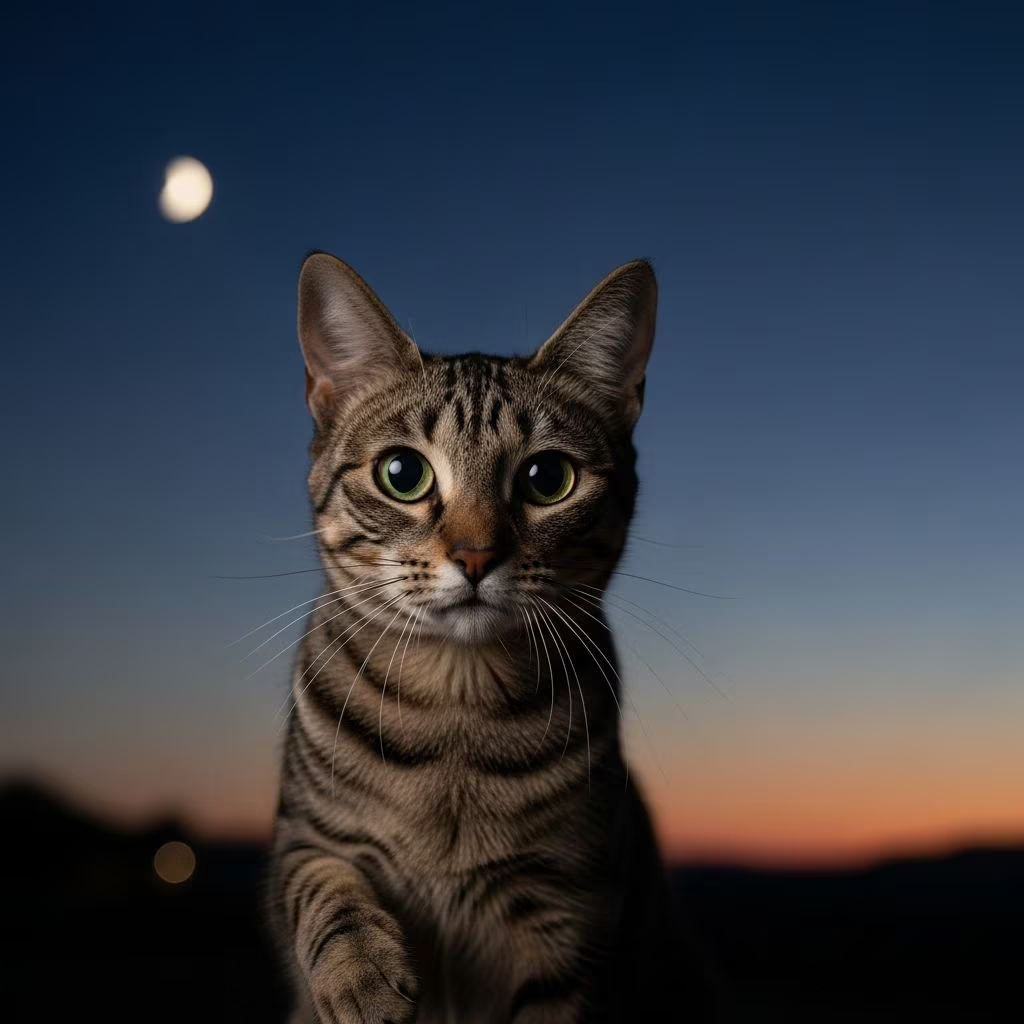
Domestic cats exhibit heightened activity during twilight hours rather than throughout the night, making them crepuscular animals by nature.
The Science Behind Feline Activity Patterns
Cats evolved as skilled hunters in the wild, timing their pursuits to coincide with the vulnerability of prey like rodents and birds, which stir at dawn and dusk. This crepuscular rhythm persists in house cats, even without the need to hunt for survival. Unlike truly nocturnal species active solely under cover of darkness, cats balance rest and alertness across a polyphasic sleep schedule, napping 12-16 hours daily in short intervals to conserve energy for explosive play sessions.
House cats often mirror human routines, dozing during the day while owners are away and ramping up energy as evening falls. This adaptation can mimic nocturnal habits, leading to misconceptions. Research from veterinary sources confirms that persistent night activity in pets typically stems from boredom, insufficient stimulation, or learned behaviors rather than innate night-loving tendencies.
Why Your Cat Seems to Own the Night
Nighttime zoomies—those sudden sprints, toy battings, and toe pounces—frustrate many owners. Young kittens and adolescents are prime culprits, bursting with unspent energy that ignites at inopportune hours. Seniors might vocalize or pace due to age-related changes like cognitive decline, hearing loss, or discomfort, warranting a vet check.
- Instinctual Hunting Drive: Even stuffed toys trigger predatory sequences, peaking when household quiet amplifies feline senses.
- Daytime Over-Sleeping: Idle hours alone build a sleep debt, discharged in evening hyperactivity.
- Attention Reinforcement: Responding to meows or play at night inadvertently trains cats to repeat the cycle.
- Environmental Cues: Multi-pet homes or outdoor access can prompt hiding, exploring, or territorial patrols under moonlight.
Biological Adaptations Fueling Twilight Energy
Cats possess superior low-light vision thanks to a reflective tapetum lucidum layer behind the retina, enhancing dawn and dusk sight without full darkness adaptation. Their hearing detects ultrasonic prey squeaks, and flexible bodies enable stealthy stalks. These traits, honed over millennia, make twilight ideal for energy-efficient hunting, minimizing daytime predator risks.
In captivity, this translates to indoor “hunts”—chasing shadows or laser dots—as natural outlets dwindle. Indoor-only cats, lacking territorial roam, channel instincts into household antics, often syncing with owner returns.
Age-Specific Nighttime Challenges
| Life Stage | Common Night Behaviors | Potential Causes | Quick Fixes |
|---|---|---|---|
| Kittens & Adolescents | Zoomies, toy attacks, eyelid batting | High energy, play drive | Evening play sessions, puzzle feeders |
| Adults | Pouncing on sleepers, meowing for food | Boredom, schedule mismatch | Interactive toys, consistent routines |
| Seniors | Excessive vocalizing, pacing | Cognitive issues, pain, anxiety | Vet exam, calming aids, enriched environment |
This table summarizes how behaviors evolve, drawing from behavioral experts noting youthful vigor versus geriatric shifts.
Proven Strategies to Curb Nighttime Shenanigans
Aligning cat and human sleep demands consistency. Mimic the predatory cycle: vigorous play followed by feeding induces post-meal naps.
- Evening Enrichment Rituals: Dedicate 15-20 minutes pre-bed to wand toys or feather chasers, exhausting hunt instincts. Follow with dinner to signal wind-down.
- Daytime Stimulation Boost: Scatter meals in puzzles or hide kibble for foraging, preventing daytime lethargy. Rotate toys to sustain novelty.
- Sleep Sanctuary Rules: Ban bedroom play; reserve it for rest. Use vertical spaces like cat trees elsewhere for patrols.
- Ignore Attention-Seeking: No feeding or petting at night—wait until morning to avoid rewards.
- Tech Aids: Automatic feeders dispense dawn meals; timed lights simulate activity.
For multi-cat homes, ensure ample resources—litter boxes, beds, scratchers—to reduce competition-fueled nights.
Health Red Flags in Night Owls
Not all disruptions are behavioral. Sudden changes signal issues: hyperthyroidism boosts metabolism and restlessness; arthritis limits daytime movement, saving energy for nights; urinary problems prompt cries. Consult vets if patterns persist post-lifestyle tweaks. Bloodwork or exams rule out pain, often treatable with diet or meds.
Real Owner Transformations
Many report success: one owner curbed 5 a.m. demands by shifting dinner later and adding midday play, yielding peaceful nights within weeks. Another used food-dispensing balls, turning nocturnal prowler into dawn snoozer. Consistency yields results, respecting feline nature without punishment.
FAQs on Feline Night Habits
Can indoor cats become fully nocturnal?
No, their crepuscular core endures, but isolation amplifies evening peaks. Enrichment realigns them.
Why do some cats yowl at 3 a.m.?
Hunger, boredom, or distress. Rule out medical causes first.
Is it okay to lock cats out at night?
Not ideal—cats need safe access. Better: enrich indoors.
How long until schedule changes stick?
1-4 weeks with daily enforcement.
Do breeds differ in activity?
Most share crepuscular traits; Bengals or Abyssinians may be more intense.
Embracing Your Cat’s Inner Hunter
Understanding crepuscularity fosters harmony. Provide outlets honoring wild roots, transforming disruptions into bonding. Peaceful coexistence awaits patient owners.
References
- True or False: Cats are nocturnal — VCA Animal Hospitals. 2023. https://vcahospitals.com/resources/behavior-cat/true-or-false-cats-are-nocturnal
- Nocturnal Behavior (Cats) — San Francisco SPCA. 2024. https://www.sfspca.org/resource/nocturnal-behavior/
- What Do Cats Do at Night? A Kitty’s Point of View! — FELIWAY UK. 2023. https://www.feliway.co.uk/blogs/news/what-do-cats-do-at-night-a-kittys-point-of-view
- Are Cats Nocturnal? The Answer Might Surprise You — Purina UK. 2024. https://www.purina.co.uk/articles/cats/behaviour/common-questions/are-cats-nocturnal
- Are Cats Nocturnal? — PetMD. 2025-01-15. https://www.petmd.com/cat/general-health/are-cats-nocturnal
- Cats at Night — Cats Protection (cats.org.uk). 2023. https://www.cats.org.uk/help-and-advice/home-and-environment/cats-at-night



