

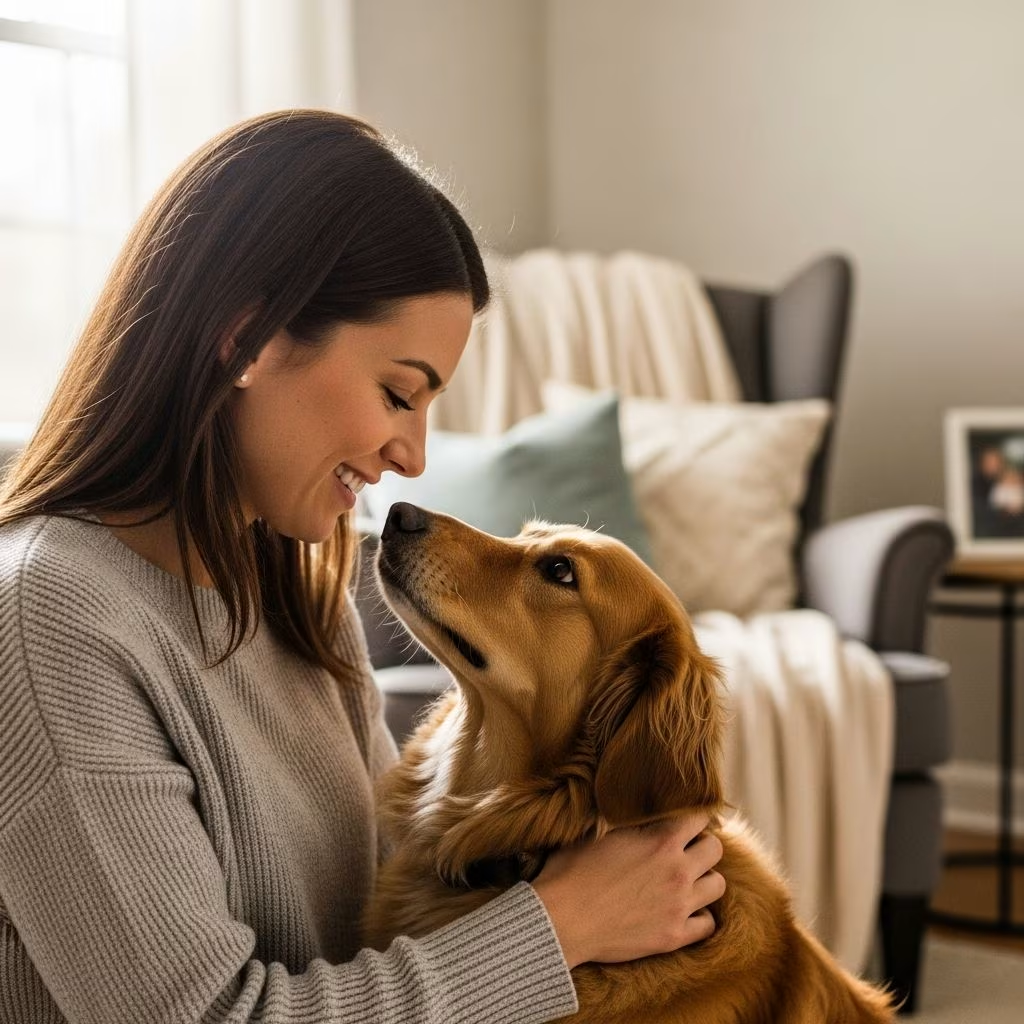
In an era where pet ownership rivals parenthood, the term ‘dog mom’ sparks fierce debate. While many celebrate deep bonds with canine companions, critics argue it diminishes human motherhood. This article explores personal stories, expert insights, cultural trends, and science to unpack if dog moms are ‘real’ moms.
The Rise of Dog Moms: A Cultural Phenomenon
Dog parenting has surged, with U.S. households owning 65.1 million dogs in 2023, per the American Pet Products Association. Many millennials and Gen Z opt for pets over kids, citing costs, careers, and lifestyle freedom. Social media amplifies this: TikTok’s ‘Boy Dog Moms’ trend showcases male dogs’ intense attachments to female owners, fueling perceptions of maternal roles.
Personal anecdotes abound. Katie Guare and Whitney Stanley, moms to Pit Bull mix Peppercorn, describe his selective cuddling—running to ‘cuddle mom’ for comfort despite equal attention. Bridget Goodwin’s Havanese, Norm, obsesses over both his original mom and her girlfriend, lighting up with joy upon seeing them. These stories highlight profound, family-like connections.
The Emotional Bond: Science Behind Dog-Human Attachment
Research confirms dogs form attachments akin to human infants. A 2015 study in Science found dogs gaze longer at humans than wolves, seeking comfort like babies with mothers. Oxytocin, the ‘love hormone,’ surges in both during eye contact, mirroring parent-child bonds.
- Dogs distinguish primary caregivers, showing separation anxiety toward ‘moms.’
- Breeds vary: clingy ones like Labs bond tightly regardless of owner gender.
- Puppies imprint early, viewing rescuers as lifelong moms.
Yet, experts like Dr. Lisa Freeman from Tufts University note dogs lack human developmental needs. They don’t require education or face ethical dilemmas like kids, but the emotional reciprocity is real.
The Backlash: Why Some Say ‘No’
Critics, including bloggers like Abby Roth, decry ‘dog moms’ as diluting motherhood’s sanctity. Roth argues pets offer unconditional love without parenting’s trials—discipline, growth stages, lifelong responsibility. ‘Dog moms aren’t real moms,’ she writes, warning it discourages family formation.
Social media amplifies hate. A Scary Mommy post recounts a mom facing backlash for distinguishing dog from human parenting. Comments rage: ‘Your dog poops on the floor; my kid goes to college.’ This gatekeeping stems from fears that pet-centric lives evade ‘purposeful’ motherhood.
Boy Dog Moms: Gendered Attachments or Myth?
TikTok videos portray boy dogs as ‘momma’s boys,’ shadowing female owners. Is it biology or nurture? Experts suggest socialization: women often handle feeding, grooming—tasks building positive associations. In same-sex households, dynamics shift; Peppercorn plays moms against each other strategically.
Behaviorist Dr. Zabrina Wen notes no innate gender preference; it’s individual temperament and history. Pugs in one family flee ‘dad’ (wrinkle cream applicator) to ‘mom,’ illustrating role-based bonds over biology.
Pets vs. Kids: A Fair Comparison?
| Aspect | Dog Parenting | Human Parenting |
|---|---|---|
| Duration | 10-15 years | 18+ years, lifelong |
| Responsibilities | Exercise, vet care, training | Education, emotional support, finances |
| Emotional Depth | Unconditional love, joy | Complex, reciprocal growth |
| Societal View | Cute, trendy | Sacred, demanding |
Dogs demand daily walks, training, health monitoring—mirroring infant care. Yet, they mature faster, lack moral agency. Critics see equivalence as mocking human struggles; proponents view it as inclusive language for nurturing.
Psychological Perspectives: Pets as Family Safety Valves
Psychoanalysts like Don Shell argue pets resolve family tensions. Unlike humans, dogs offer uninhibited love without incest taboos or disappointments. They sidestep relational demands, fulfilling intimacy needs predictably. Freud’s dog ‘Wolf’ symbolized unspoken family desires, suggesting pets proxy unmet human bonds.
For singles like Elizabeth Robinson, 54, with rescue dog Watson, pets provide companionship sans dating woes. This trend alarms demographers: fertility rates drop as pet spending hits $136 billion yearly.
Real-Life Stories: Heartfelt Devotion
Norm’s dual-mom obsession delights Goodwin: ‘He smothers her in kisses; I love their bond.’ Peppercorn’s whines demand attention, hiding under legs during play. These vignettes reveal dogs’ emotional intelligence, grieving losses, celebrating reunions like family.
In queer families, labels evolve. Guare mocks gender reveals but ponders if dogs sense ‘maternal vibes.’ Experts affirm: it’s association, not essence.
Expert Advice: Nurturing Healthy Bonds
- Socialize early for secure attachments.
- Share roles to avoid favoritism.
- Train positively, reinforcing trust.
- Monitor health; bonds thrive on well-being.
- Embrace labels that resonate—joy matters.
Veterinarians recommend balanced care: 30-60 minutes daily exercise, mental stimulation. Strong bonds reduce behavioral issues.
Frequently Asked Questions (FAQs)
Are dogs capable of maternal bonds with humans?
Yes, studies show dogs form secure attachments via oxytocin, similar to infants.
Why do boy dogs seem clingier to moms?
Often due to who provides care; gender roles influence but aren’t deterministic.
Is calling yourself a dog mom disrespectful?
Opinions vary; it celebrates nurture but some see it as equating pets to kids.
Do pets replace human children?
They fulfill companionship but lack human parenting’s complexity and duration.
How to strengthen dog-human bonds?
Consistent routines, positive reinforcement, quality time build trust.
Navigating the Debate: Finding Common Ground
Whether ‘real’ or not, dog parenting enriches lives. It teaches empathy, routine, unconditional love—skills transferable to human roles. As society evolves, language should too: ‘pet parent’ honors bonds without erasure. Critics and celebrants agree: dogs transform homes into families.
Amid declining birth rates (1.6 per woman in U.S., 2023), pets bridge emotional gaps. A 2022 Gallup poll found 70% childless adults happier with pets. Balance perspectives: validate joys, recognize differences.
References
- Attachment bonds between domestic dogs (Canis familiaris) and humans — Nagasawa et al. Science. 2015-04-17. https://www.science.org/doi/10.1126/science.1261022
- 2023-2024 National Pet Owners Survey — American Pet Products Association. 2024. https://www.americanpetproducts.org/pubs_survey
- Oxytocin-gaze positive loop and the coevolution of human-dog bonds — Nagasawa et al. Science. 2015-04-17. https://www.science.org/doi/10.1126/science.1261022
- U.S. Fertility Rate — CDC National Center for Health Statistics. 2023-12-20. https://www.cdc.gov/nchs/pressroom/nchs_press_releases/2023/20231220.htm
- Pet Industry Market Size, Trends & Pet Industry Statistics — American Pet Products Association. 2024. https://www.americanpetproducts.org/press_industrytrends



