

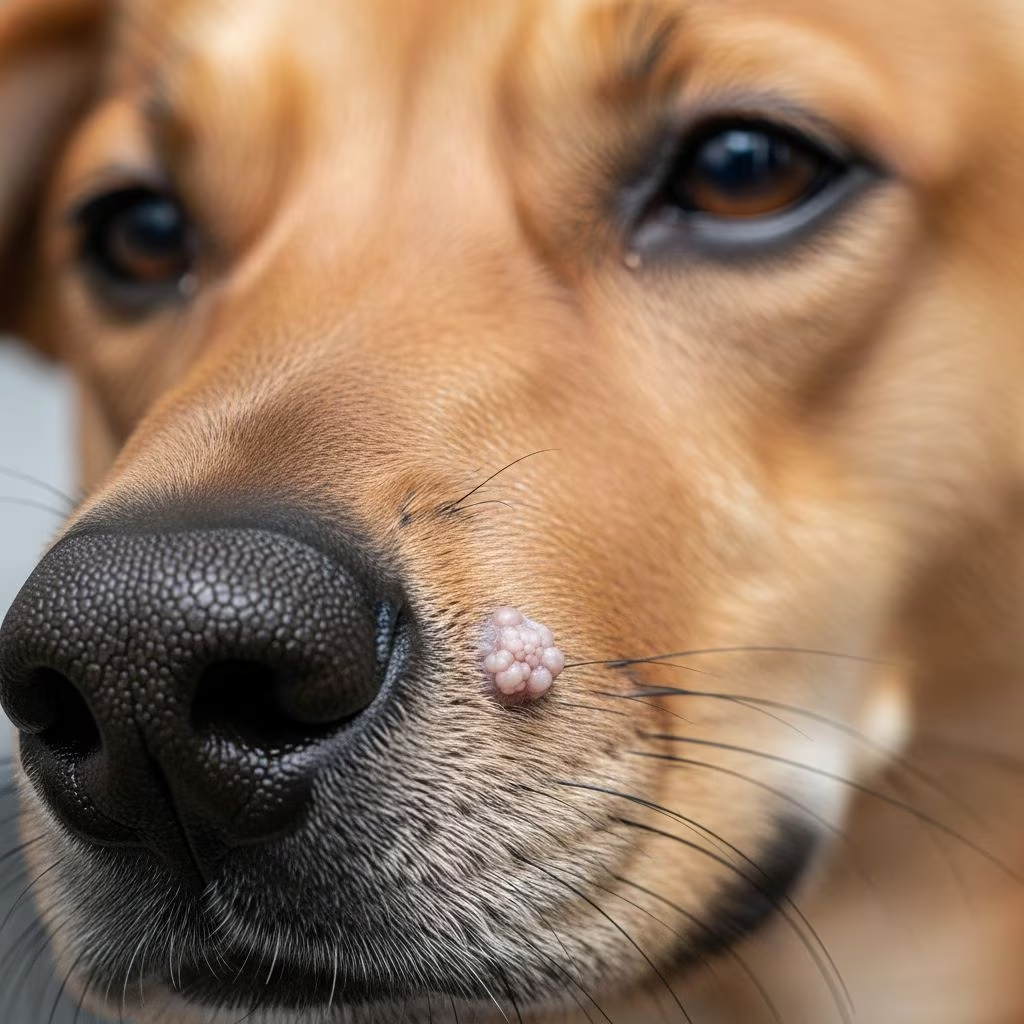
Dog warts, known medically as canine papillomas, are benign skin growths triggered by specific viruses that readily spread from one dog to another through direct or indirect contact. These growths pose minimal risk to healthy young dogs, often vanishing as the immune system strengthens, but they demand prompt attention to curb transmission and detect rare serious complications.
Understanding the Viral Roots of Canine Warts
Canine papillomaviruses (CPVs) are the culprits behind most dog warts, with multiple strains targeting different body areas like the mouth, skin, feet, or genitals. These DNA viruses infiltrate skin cells via minor breaks such as cuts, scrapes, insect bites, or moist regions, disrupting normal cell division and prompting rapid, abnormal growths that manifest as wart-like bumps 4-6 weeks post-infection.
Unlike human papillomaviruses, which cannot infect dogs, CPVs are species-specific yet highly infectious within canine populations. Young puppies and dogs with immature or compromised immunity—such as those on allergy medications or with underlying illnesses—are prime targets, as their defenses struggle to neutralize the invader initially.
How Dog Warts Spread in Everyday Settings
Direct contact, like nose-to-nose greetings or shared play, efficiently transmits CPVs between infected and susceptible dogs. Indirect spread occurs via contaminated environments: the virus endures on surfaces for weeks, hitching rides on bedding, food bowls, toys, grooming tools, or even kennel floors.
- High-risk zones: Dog parks, boarding facilities, grooming salons, and multi-pet households amplify exposure chances.
- Entry points: Abrasions from rough play, flea bites, or lip trauma in the mouth facilitate viral entry.
- Cluster patterns: Outbreaks often hit litters or social groups, underscoring communal transmission.
Immunity develops post-infection to that specific CPV strain, but cross-protection against others is absent, leaving dogs vulnerable to varied wart types.
Spotting the Signs: Types and Appearances of Dog Warts
Warts vary by CPV strain and location, typically presenting as cauliflower-shaped, flesh-colored, or pigmented protrusions. Oral papillomas dominate in puppies, crowding lips, gums, tongue, and throat, potentially hindering eating or causing drooling.
| Wart Type | Common Sites | Key Features | Typical Age Group |
|---|---|---|---|
| Oral Papillomas | Mouth, lips, throat | Multiple, frond-like clusters; may bleed if irritated | Puppies <2 years |
| Cutaneous Papillomas | Skin, eyelids, genitals | Solitary, raised bumps; benign unless traumatized | Any age |
| Digital/Inverted Papillomas | Feet, pads, ears, abdomen | Inward-growing, painful; scaly or pigmented in some breeds | Young adults |
Skin warts on the belly or legs may mimic sebaceous growths in seniors, while foot pads resemble painful corns. Rarely, pigmented plaques on breeds like Pugs signal higher malignancy potential.
When to Worry: Distinguishing Warts from Danger
Most papillomas regress spontaneously within 1-5 months as immunity kicks in, shrinking and sloughing off without intervention. However, persistence beyond 3 months, rapid growth, ulceration, bleeding, or odor warrants veterinary scrutiny to exclude squamous cell carcinoma transformation, especially in foot or pigmented variants.
- Compromised dogs on immunosuppressants may fail to self-resolve, risking secondary bacterial infections from licking.
- Massive outbreaks can impede vision, gait, or nutrition if obstructing eyes, paws, or mouth.
- Sudden onset in adults or multi-site spread hints at immune deficits needing broader health checks.
Veterinary Diagnosis: Confirming the Culprit
Vets often diagnose via visual inspection, especially classic oral clusters in pups. For ambiguity, fine needle aspiration (FNA) extracts cells for cytology, or biopsy provides definitive histopathology, ruling out malignancy.
No routine blood tests detect CPVs, but monitoring lesion evolution guides decisions. Early confirmation prevents unnecessary worry and isolates contagious cases.
Treatment Options: From Watchful Waiting to Intervention
Healthy young dogs rarely need therapy; 90% clear naturally. Interventions target problematic cases:
- Surgical excision: Scalpel, laser, or cryotherapy (freezing) for singles; quick outpatient fixes.
- Immunostimulants: Autogenous vaccines from the dog’s wart tissue or bacterial extracts like Immunoregulin boost defenses against multiples.
- Medications: Oral cimetidine, azithromycin, or antivirals for widespread or persistent lesions; efficacy varies.
- Supportive care: Reduce immunosuppression, treat infections, and prevent trauma with e-collars.
Avoid home remedies like apple cider vinegar, which irritate without curing and invite complications.
Prevention Strategies: Safeguarding Your Pack
Minimize exposure in high-traffic dog zones, quarantine new or symptomatic pets, and disinfect fomites with bleach solutions (1:30 dilution). Boost overall immunity via balanced nutrition, routine deworming, flea control, and stress reduction—no vaccine exists for CPVs.
Breeders should isolate pups until 6 months, as maternal antibodies wane. Regular vet exams catch issues early, curbing outbreaks.
Frequently Asked Questions About Dog Warts
Can humans or cats catch dog warts?
No, CPVs are canine-specific and do not cross species barriers to infect people, cats, or other pets.
Do all dog warts go away on their own?
Most in immunocompetent young dogs resolve in 1-2 months, but older or ill dogs may require aid; monitor for 3 months max.
Are dog warts a sign of poor hygiene?
Not directly; they’re viral infections from exposure, though clean environments limit spread.
How long are dogs contagious with warts?
Until warts regress, typically 1-5 months; virus sheds actively from lesions.
Can warts return after treatment?
Possible with new CPV strains, but prior infection confers type-specific immunity.
Long-Term Outlook and Breed Considerations
Papillomas seldom recur or scar post-resolution. Breeds like Miniature Schnauzers face pigmented plaque risks, while Boxers or Bulldogs may see more cutaneous forms. Holistic health—vaccinations, diet, exercise—fortifies resilience.
Owners spotting growths should photograph progression for vets, avoiding self-trauma. Prompt action preserves comfort and pack harmony.
References
- Dog Warts: What are They and What Causes Them? — Hill’s Pet. 2023. https://www.hillspet.com/dog-care/healthcare/dog-warts
- Dog Warts – Causes and Treatments — Vets4Pets. 2024. https://www.vets4pets.com/pet-health-advice/dog-advice/dog-warts/
- Warts on Dogs: Papilloma Pics, Pointers + Precautions — Lavengel. 2024. https://lavengel.com/pages/skin-issues-warts
- Papilloma of the Skin — VCA Animal Hospitals. 2023. https://vcahospitals.com/know-your-pet/papilloma-of-the-skin
- All About Dog Warts: Types, Causes, and Treatments — PetMD. 2025-02-10. https://www.petmd.com/dog/conditions/all-about-dog-warts-types-causes-and-treatments



