

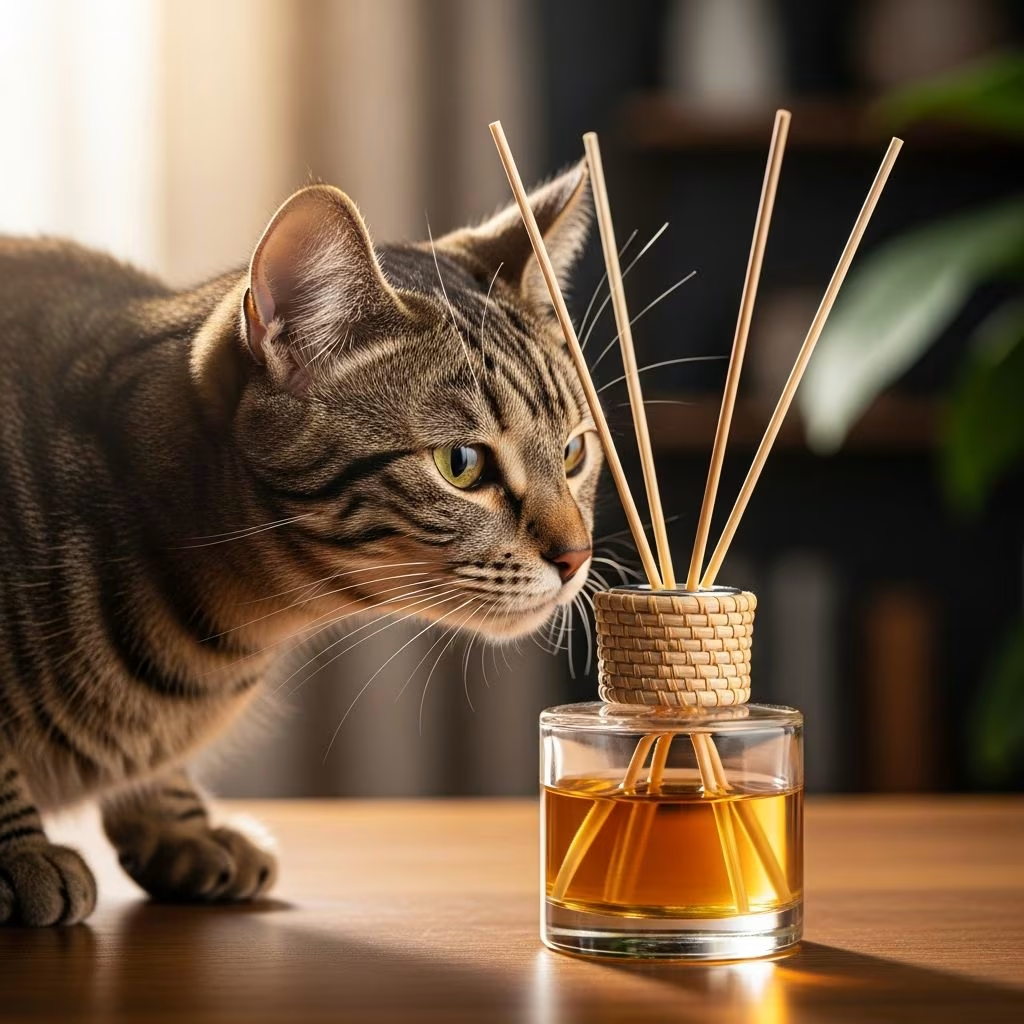
Essential oil diffusers create a pleasant aroma in homes, but they pose significant risks to cats due to their unique physiology. Cats lack certain liver enzymes needed to metabolize phenolic compounds in many essential oils, leading to potential toxicity from inhalation, skin contact, or ingestion.
Quick Answer: Are Diffusers Safe for Cats?
No, most essential oil diffusers are not safe for cats. The aerosolized oil particles can be inhaled, settle on fur for grooming ingestion, or cause respiratory irritation, especially in vulnerable cats like kittens, seniors, or those with asthma.
How Do Diffusers Work?
Diffusers disperse essential oils into the air using methods like ultrasonic vibration, nebulization, heat, or evaporation. Ultrasonic and nebulizing diffusers create a fine mist of oil droplets mixed with water vapor, which spreads throughout the room. This mist can be inhaled directly or land on surfaces and fur.
- Ultrasonic diffusers: Use high-frequency vibrations to nebulize oil into tiny particles.
- Nebulizing diffusers: Pressurized air breaks oil into micro-droplets without water or heat.
- Heat diffusers: Warm oil to evaporate it, potentially altering its chemical composition to more toxic forms.
- Reed/evaporative diffusers: Slower release via wicks, somewhat less risky but still hazardous if cats access them.
While appealing for humans, this dispersion method exposes cats to concentrated phenols and terpenes they cannot process efficiently.
Why Are Cats Uniquely Vulnerable to Essential Oils?
Cats are obligate carnivores with a deficient glucuronidation pathway in their livers, impairing breakdown of phenolic compounds abundant in essential oils like tea tree, eucalyptus, and peppermint. These build up, causing liver damage, respiratory failure, or seizures.
- Kittens, elderly cats, and those with liver or respiratory issues face heightened risks.
- Cats groom excessively, ingesting oil residue from fur.
- Even diluted oils in diffusers concentrate in small spaces over time.
Research shows topical application of high doses (e.g., 20 mL tea tree oil) causes elevated liver enzymes and death in cats, underscoring sensitivity to lower airborne exposures.
Symptoms of Essential Oil Toxicity in Cats
Exposure signs appear quickly, from mild irritation to life-threatening emergencies. Monitor for:
- Respiratory: Coughing, wheezing, rapid breathing (>40 breaths/min), open-mouth breathing, purple gums.
- Neurological: Ataxia, tremors, seizures, depression, weakness.
- Gastrointestinal: Drooling, vomiting, diarrhea.
- Skin/eyes: Burns, salivation, pawing at mouth.
- Systemic: Low heart rate, hypothermia, liver failure.
Cats with pre-existing asthma or heart disease may suffer exacerbated attacks from fumes.
What Essential Oils Are Toxic to Cats?
Many common oils are dangerous; no comprehensive “safe” list exists due to variability in exposure and cat health. Avoid these high-risk ones:
| Oil | Risk Level | Effects |
|---|---|---|
| Tea Tree (Melaleuca) | High | Liver toxicity, tremors, coma. |
| Eucalyptus | High | Respiratory distress, ataxia. |
| Peppermint | High | Irritation, vomiting. |
| Cinnamon | High | Mucous membrane burns. |
| Wintergreen | High | Salicylate poisoning. |
| Clove | Moderate-High | GI upset, liver damage. |
| Thyme | Moderate | Respiratory irritation. |
Even “pet-safe” labeled oils warrant caution; concentration matters.
Are There Any Safe Diffusers for Cats?
No diffuser is entirely risk-free, but some minimize harm:
- Reed diffusers: Slow, passive release reduces aerosolization.
- Well-ventilated rooms: Limit sessions to 30 minutes, low dilution.
However, experts recommend avoiding all essential oil diffusers in cat households.
Pet-Safe Alternatives to Essential Oil Diffusers
Maintain a fresh home without risks:
- Ventilation: Open windows, use exhaust fans.
- Baking soda: Absorbs odors in litter boxes, carpets.
- Pet-specific fresheners: Vet-approved, essential oil-free sprays.
- Herbal sachets: Dried lavender or chamomile (non-oiled).
- HEPA air purifiers: Filter allergens and smells effectively.
- Citrus peels: Natural deodorizer (keep away from cats).
Consult vets before any pet product.
What to Do If Your Cat Is Exposed to a Diffuser
- Remove cat to fresh air immediately.
- Turn off diffuser; ventilate room thoroughly.
- Do not induce vomiting or use charcoal—oils cause aspiration pneumonia.
- Wash skin/fur with dish soap (e.g., Dawn); avoid human shampoos.
- Bag and bring diffuser/product to vet.
- Seek emergency care for symptoms; supportive treatment is key.
FAQs
Can I diffuse essential oils if my cat stays in another room?
Not recommended. Oils linger in air/HVAC systems, spreading contamination.
Is diluted essential oil safe in a diffuser for cats?
No, even diluted, particles accumulate in cats’ systems.
What if my cat seems fine after exposure?
Monitor 24-48 hours; toxicity can delay.
Are plug-in air fresheners safer than diffusers?
Often not—many contain similar volatiles. Check labels.
Can healthy adult cats tolerate low-level diffusion?
Possibly short-term with ventilation, but risks outweigh benefits.
Veterinarian Insights on Diffusers and Cats
Drs. from PetMD and BC SPCA note rising toxicity cases from “natural” trends. Holistic remedies aren’t always safe for pets; always vet-check. Tisserand Institute advises minimal, ventilated use but prioritizes cat exit options.
In multi-pet homes, prioritize birds and cats—most sensitive.
References
- Essential Oil Diffusers and Pet Safety — Abandoned Pet Rescue. Accessed 2026. https://abandonedpetrescue.org/essential-oil-diffusers-and-pet-safety/
- Are Essential Oils Safe for Cats? — PetMD. Accessed 2026. https://www.petmd.com/cat/are-essential-oils-safe-cats
- Safety Alert! The Dangers of Essential Oils and Pets — BC SPCA. Accessed 2026. https://spca.bc.ca/news/aromatherapy-pets/
- What to Know About the Risks of Essential Oils for Cats — WebMD Pets. Accessed 2026. https://www.webmd.com/pets/cats/risks-of-essential-oils-for-cats
- Cats and Essential Oil Safety — Tisserand Institute. Accessed 2026. https://tisserandinstitute.org/cats-essential-oil-safety/



