

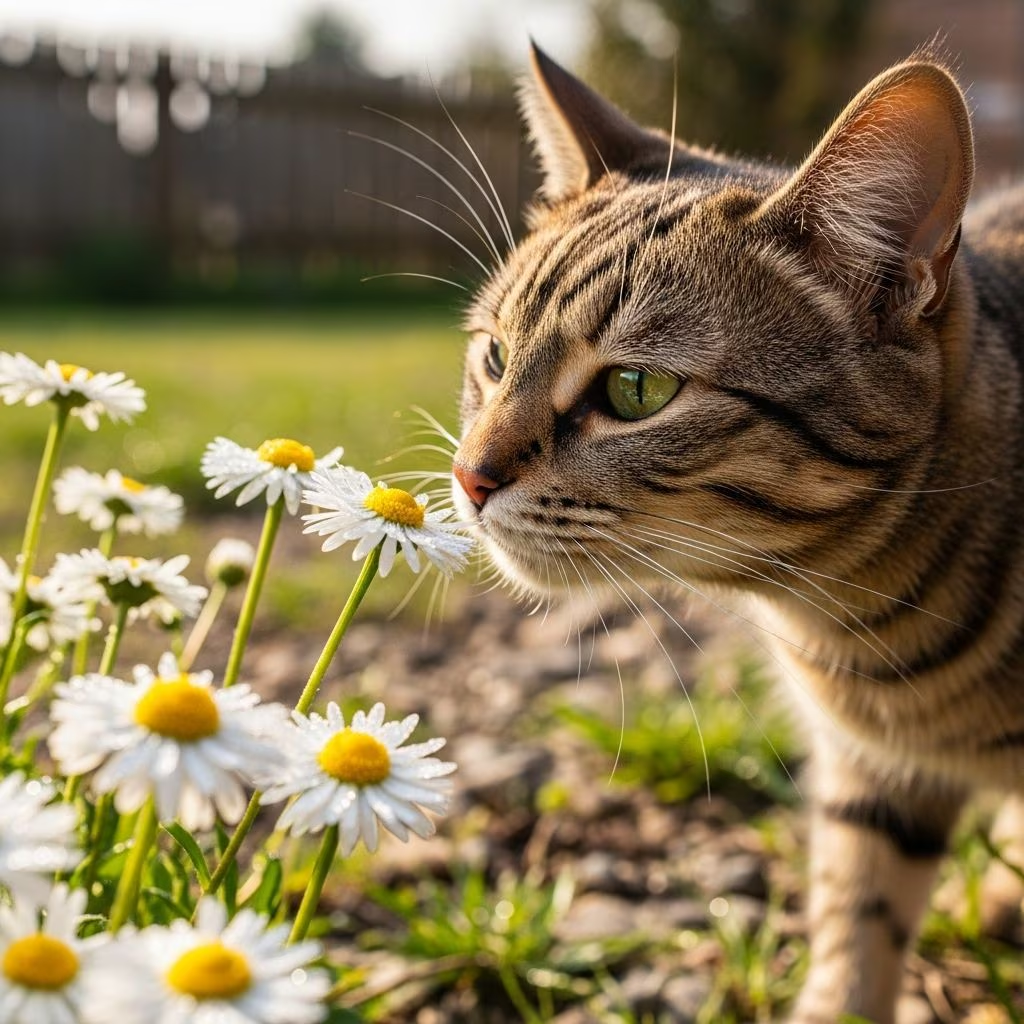
Are Daisies Toxic to Cats? A Complete Guide for Pet Owners
Daisies are beloved flowers found in gardens and homes around the world, but if you’re a cat owner, you may be wondering whether these cheerful blooms pose a risk to your feline companion. The short answer is yes—many common types of daisies are toxic to cats and should be kept out of reach of your pets.
Understanding daisy toxicity is essential for cat owners who want to maintain a beautiful, pet-safe home. While daisies are not among the most dangerous plants for cats, they can cause mild to moderate health issues if ingested. This comprehensive guide will help you understand which daisies are toxic, what symptoms to watch for, and how to keep your cat safe.
Understanding Daisy Toxicity in Cats
When it comes to daisies and cats, not all varieties pose the same level of risk. The confusion surrounding daisy toxicity stems from the fact that there are many different species of flowers referred to as “daisies,” and they don’t all contain the same toxins.
English daisies, also known as true daisies or Bellis perennis, are potentially poisonous to cats. These common daisies—typically featuring white petals with yellow centers—belong to the Asteraceae family. This plant family includes many species toxic to cats, such as chrysanthemums. The entire plant poses a potential problem: leaves, petals, pollen, and stems all contain harmful compounds.
The toxins present in daisies include sesquiterpene lactones, saponins, oxalates, tannins, and pyrethrins. These natural compounds are irritating to a cat’s digestive system and can trigger various health responses when ingested. Pyrethrins, in particular, are especially concerning because they can be absorbed into the bloodstream, potentially causing more serious effects than localized irritation.
Which Daisy Species Are Toxic to Cats?
Understanding which types of daisies are dangerous is crucial for pet owners. Most common daisies found in gardens and floral arrangements are toxic to cats, but some varieties present greater risks than others.
The following daisy types should be avoided around cats:
- English Daisy (Bellis perennis)—The true daisy, containing saponins, oxalates, and tannins
- Chrysanthemums—Part of the daisy family, containing lactones and pyrethrins
- Common Garden Daisies—Yellow-centered daisies with white petals, the most frequently encountered type
Even Gerbera daisies, which are often marketed as cat-safe alternatives, can cause mild stomach upset in some cats. If you want to include daisies in your home, research the specific variety carefully before bringing them indoors or planting them in your garden.
Safe Daisy Alternatives for Cat Owners
Not all daisy-like flowers are toxic. Several species share the daisy’s appearance but are safe for cats. If you love the daisy look but want to avoid potential toxicity issues, consider these cat-friendly alternatives:
- Aster
- Chicory
- Coneflower
- Dandelion
- Gerbera Daisy (one of the safer options)
- Sunflower
- Thistle
- Zinnia
Beyond daisy alternatives, many other non-toxic plants can beautify your home safely. African violets, spider plants, and Boston ferns are excellent choices that offer greenery and visual appeal without the danger of poisoning. For a comprehensive list of toxic and non-toxic plants, consult the ASPCA’s plant database, which provides detailed information for pet owners.
Symptoms of Daisy Poisoning in Cats
If your cat has ingested daisies, knowing the warning signs is essential for prompt intervention. Symptoms typically appear within a few hours of ingestion and can range from mild to severe.
Common symptoms of daisy poisoning include:
- Vomiting
- Diarrhea
- Drooling or excessive salivation
- Skin irritation (if the plant contacted the skin)
- Difficulty walking or loss of coordination
- Loss of appetite
- Licking lips (often a sign of nausea)
In more severe cases, particularly if your cat consumed a large quantity of daisies, symptoms may escalate to include dehydration and, in rare instances, more serious complications. The severity of symptoms depends on factors such as the amount of plant material ingested, the specific daisy species involved, and your cat’s individual sensitivity to the toxins.
What to Do If Your Cat Eats Daisies
If you suspect your cat has eaten daisies, taking swift action is crucial. Monitor your cat closely for any signs of poisoning over the following hours and days. While many cats may only experience mild symptoms that resolve on their own, it’s better to err on the side of caution.
Immediate steps to take:
- Remove any remaining daisy plant material from your cat’s mouth or coat
- Note the time of ingestion and the type of daisy consumed, if possible
- Observe your cat for any symptoms
- Provide fresh water to help flush the system
- Contact your veterinarian immediately if symptoms develop
Even if your cat seems fine, veterinary guidance is recommended when poisoning is suspected. Your vet can assess your cat’s condition and provide appropriate treatment if needed. Treatment may involve fluid therapy to prevent dehydration, medications to manage symptoms, or other supportive care depending on the severity of poisoning.
Understanding Your Cat’s Natural Curiosity
Cats are naturally curious creatures with an instinct to explore and nibble on their environment. This curiosity, while endearing, can put them at risk when toxic plants are accessible. Young kittens and cats with indoor access to gardens are particularly vulnerable.
To protect your cat, it’s vital to be proactive about plant safety in your home and garden. Keep daisies and other toxic flowers out of reach, ideally in rooms your cat cannot access or in high places where cats cannot reach them. Remember that cats can jump and climb onto nearly any surface, so elevated placement doesn’t guarantee complete safety.
Creating a Cat-Safe Home and Garden
If you love daisies and want to maintain a beautiful space while keeping your cat safe, consider these strategies:
- Plant daisies in outdoor garden areas that are clearly separated from where your cat spends time
- Use fencing or barriers to restrict your cat’s access to daisy beds
- Keep cut daisies in a secure location, such as a closed room or high shelf
- Replace toxic daisies with cat-safe alternatives throughout your home
- Educate family members and guests about which plants are dangerous for your cat
- Regularly inspect your garden for volunteer daisy plants that may have grown from seeds
Creating a pet-safe environment doesn’t mean sacrificing beauty. There are countless non-toxic flowering plants and ornamentals that can brighten your home while keeping your feline friend safe.
Other Common Toxic Flowers to Avoid
While daisies are moderately toxic, many other common flowers pose far greater risks to cats. Understanding the full spectrum of dangerous plants helps you make better decisions about what to bring into your home.
Lilies are extremely toxic to cats and can cause acute kidney failure—even a small amount of exposure can be life-threatening. Tulips, daffodils, azaleas, and kalanchoe are also highly toxic and should never be kept in homes with cats. Carnations and chrysanthemums can cause mild toxicity and skin irritation.
When selecting flowers for your home, always research the specific species to ensure it’s safe for cats before purchasing or planting.
Frequently Asked Questions About Daisies and Cat Safety
Q: Are all types of daisies toxic to cats?
A: Not all daisies are equally toxic. English daisies and common garden daisies are toxic, while Gerbera daisies are generally considered safe, though they may cause mild stomach upset in some cats. Many daisy-like flowers such as asters, coneflowers, and zinnias are entirely safe.
Q: What should I do if my cat eats a daisy flower?
A: Monitor your cat closely for symptoms such as vomiting, diarrhea, or drooling. Contact your veterinarian immediately, especially if your cat shows any signs of illness. Early veterinary attention can prevent complications and ensure your cat receives appropriate treatment.
Q: Can daisies be fatal to cats?
A: While daisies are far less toxic than some other plants like lilies, severe poisoning from consuming large quantities can potentially be serious. In rare cases, if a cat ingests a large amount and develops severe dehydration without treatment, complications could arise. Prompt veterinary care significantly reduces this risk.
Q: How long does it take for daisy poisoning symptoms to appear?
A: Symptoms typically appear within a few hours of ingestion, though some effects may take longer to develop. It’s important to monitor your cat for at least 24 hours after suspected ingestion and contact your vet if any symptoms develop.
Q: Are Gerbera daisies safe for cats?
A: Gerbera daisies are generally considered non-toxic to cats and are a safer choice than English daisies or common garden daisies. However, any new plant material can cause mild digestive upset in some cats, so monitor your cat if it has access to these flowers.
Q: What are the best non-toxic flowers to grow if I have a cat?
A: Excellent cat-safe flowering plants include African violets, spider plants, Boston ferns, sunflowers, roses, zinnias, and many daisy-like alternatives such as asters and coneflowers. Always verify that specific varieties are safe before bringing them into your home.
Conclusion
Daisies are common, attractive flowers that can pose risks to cats if ingested. While they’re not among the most dangerous plants for felines, their toxins can cause uncomfortable symptoms ranging from mild digestive upset to more serious complications. By understanding which daisies are toxic, recognizing the symptoms of poisoning, and maintaining a cat-safe home environment, you can enjoy beautiful flowers while keeping your beloved pet healthy and protected.
Take the time to research any plants or flowers you bring into your home or plant in your garden. Choose cat-safe alternatives when possible, keep toxic plants out of reach, and monitor your curious cat closely. When in doubt, consult your veterinarian or the ASPCA’s plant database. Your proactive approach to plant safety is one of the best ways to ensure your cat enjoys a long, healthy, and happy life.
References
- Are Daisies Toxic to Cats? Not Highly Toxic but Still Bad — HowStuffWorks. Accessed January 2026. https://animals.howstuffworks.com/pets/are-daisies-toxic-to-cats.htm
- Are Daisies Toxic to Cats? Vet-Reviewed Risks & Advice — Catster. Accessed January 2026. https://www.catster.com/cat-health-care/are-daisies-toxic-to-cats/
- Non-Toxic Flowers for Cats — Peak Veterinary. Accessed January 2026. https://www.peakveterinary.com/blog/non-toxic-flowers-for-cats
- Toxic and Non-toxic Plants: Gerber Daisy — ASPCA. Accessed January 2026. https://www.aspca.org/pet-care/aspca-poison-control/toxic-and-non-toxic-plants/gerber-daisy
- Daisy Poisoning in Cats – Symptoms, Causes, Diagnosis — Wag Walking. Accessed January 2026. https://wagwalking.com/cat/condition/daisy-poisoning-1
- Cat-Friendly Flowers Factsheet — Cat Protection Australia. October 2019. https://catprotection.org.au/wp-content/uploads/2019/10/Factsheet_Cat-friendly_flowers_October_2019.pdf



