

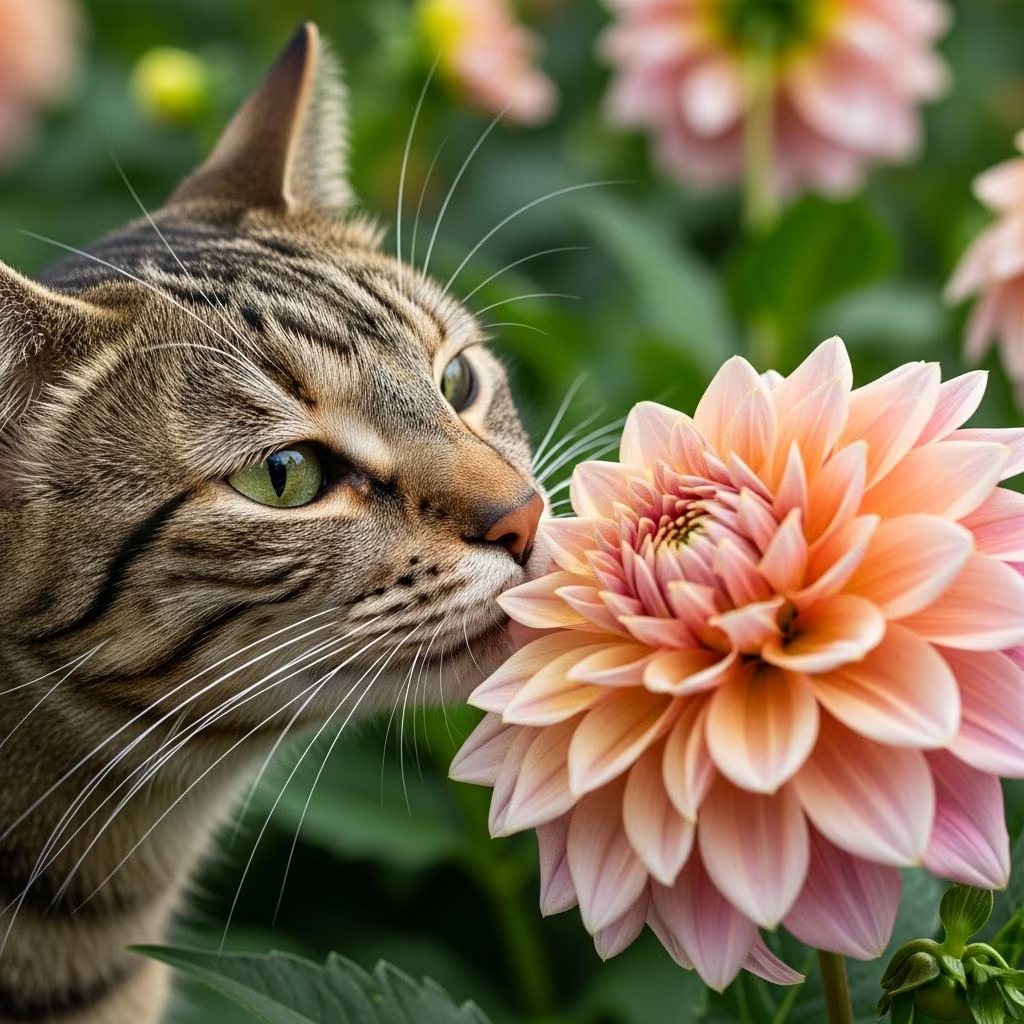
Are Dahlias Poisonous to Cats? Vet-Reviewed Houseplants Examined
Dahlias are perennials that bring a splash of color to late-summer gardens. The flower blooms from mid-July until the first frost in most parts of the U.S. Smaller varieties grow well in pots, and many gardeners bring the cut flowers inside. While dahlias are lovely to look at, they are mildly toxic to cats. Cat owners should know the signs of plant poisoning in cats. Below, we discuss what symptoms to look for and how to keep your kitty safe.
What Are Dahlias?
Dahlias are tuberous flowering plants belonging to the Asteraceae family, which also includes daisies, sunflowers, and chrysanthemums. These vibrant perennials are beloved by gardeners for their diverse range of colors, sizes, and petal formations. From delicate miniature varieties to large dinner-plate dahlias, these plants offer visual interest to any garden landscape. Dahlias typically bloom during late summer through early fall, providing weeks of beautiful color in outdoor spaces.
Because of their striking appearance and availability as cut flowers, many people bring dahlias into their homes for floral arrangements and decorative purposes. While humans enjoy their aesthetic appeal, cats may find them tempting to sniff, paw at, or even nibble. The problem is that not all parts of the plant are safe for feline consumption. Like many ornamental plants, dahlias contain compounds that can cause health issues in pets. Even though these plants aren’t among the most toxic species, contact or ingestion can still lead to unpleasant effects in cats.
Are Dahlias Poisonous to Cats?
Yes, dahlias are considered toxic to cats. The American Society for the Prevention of Cruelty to Animals (ASPCA) lists them as causing mild to moderate symptoms if ingested. Both the leaves and petals may contain compounds that irritate a cat’s digestive system or skin. While they are not typically fatal, their impact should not be underestimated.
The exact toxic substance in dahlias remains unknown to veterinary science. However, research consistently shows that when cats ingest or come into contact with these plants, they experience predictable adverse reactions. The ASPCA has classified dahlias as toxic to cats, dogs, and horses, making them a plant that pet owners should keep away from their animals.
Are the Petals of Dahlias Toxic to Cats?
Specific information about the toxicity of dahlia petals versus other plant parts is limited in veterinary literature. However, dahlias are listed on the ASPCA as mildly toxic to cats, and it is safer to err on the side of caution when it comes to dahlia ingestion. Both the petals and leaves should be considered potentially harmful to feline companions. Since the exact toxic compound remains unidentified, all parts of the dahlia plant should be treated as a potential hazard.
Cats may be attracted to dahlia petals specifically because of their texture and appearance. The bright colors and delicate nature of the petals might appeal to playful kittens or curious adult cats. If you have cut dahlias in your home, keep them in a location where your cat cannot access them, and regularly check for fallen petals on the floor or furniture.
How Do Dahlias Affect Cats?
Exposure to dahlias typically results in mild gastrointestinal or dermatological symptoms in cats. In most cases, the effects show up shortly after a cat interacts with the plant. The severity of symptoms depends on several factors, including the amount of plant material ingested, your cat’s size and age, existing health conditions, and individual sensitivity to plant-based irritants.
Common Symptoms of Exposure
If your cat chews on or rubs against a dahlia, you may notice several warning signs. These symptoms often appear within a few hours of contact:
- Drooling or pawing at the mouth
- Vomiting or mild diarrhea
- Decreased appetite
- Lethargy or decreased activity
- Skin irritation or redness, especially around the face or paws
- Difficulty eating or drinking
- Abdominal pain
- Increased or decreased heart rate
- Drinking more water than usual
If ingestion was significant, your cat may experience more than one of these signs at once. It’s important to pay attention to behavioral changes, even if they seem subtle at first. Some cats may display only mild symptoms, while others might show more pronounced reactions depending on their individual sensitivity.
Why Symptoms Vary
The severity of a cat’s reaction to dahlias depends on several factors. Understanding these variables can help you assess the potential risk if your cat has been exposed:
- Amount of plant material ingested: A small nibble will likely cause fewer symptoms than consuming a large portion of the plant.
- Cat’s size and age: Smaller cats and kittens may experience more severe reactions to the same amount of plant material as larger, adult cats.
- Existing health conditions: Cats with gastrointestinal issues, kidney disease, or other health problems may be more vulnerable to plant toxins.
- Sensitivity to plant-based irritants: Individual cats have varying tolerances for botanical compounds, similar to human allergies.
For some cats, even a small bite could trigger a noticeable reaction. Others may show no symptoms at all despite ingesting small amounts of the plant. If you suspect your cat may have come into contact with a dahlia, it’s best to consult your veterinarian right away for guidance.
What Happens if Your Cat Eats a Poisonous Plant Like a Dahlia?
Dahlias are on the ASPCA list of toxic plants. What makes them mildly toxic is not precisely known, as the exact toxic compounds have not been scientifically identified. However, veterinary medicine recognizes that mild dermatitis and gastroenteritis can occur following dahlia ingestion. The good news is that dahlia toxicity is generally considered mild compared to truly dangerous plants like lilies, which can cause severe kidney damage.
Mild gastroenteritis refers to inflammation of the stomach and intestines, which manifests as vomiting and diarrhea. Dermatitis is skin inflammation that may appear as redness, irritation, or itching, particularly on areas that directly contacted the plant. These conditions are uncomfortable for your cat but typically resolve within 24 to 48 hours with appropriate care.
What To Do If Your Cat Is Exposed to Dahlias
Acting promptly is key if your cat has eaten or touched a dahlia. While the toxicity level is considered mild, it’s still important to monitor for symptoms and respond accordingly.
First Steps at Home
If you catch your cat chewing a dahlia, take the following immediate actions:
- Gently remove any plant material from their mouth and paws
- Wipe their fur with a damp cloth to remove any residue, especially if skin irritation is visible
- Avoid giving any home remedies, medications, or attempting to induce vomiting
- Place your cat in a safe, secure area where you can monitor them
- Contact your veterinarian for professional guidance
Home remedies and attempts to induce vomiting may cause more harm than good and should only be performed under veterinary supervision. Some home treatments can actually increase the damage to your cat’s esophagus and stomach. Let your veterinarian decide the best course of action based on your cat’s specific situation.
When to Contact a Veterinarian
You should call your veterinarian if your cat displays any of the following:
- Any symptoms of plant poisoning
- Known ingestion of dahlia plant material
- Behavioral changes or unusual activity levels
- Loss of appetite lasting more than a few hours
- Persistent vomiting or diarrhea
- Signs of skin irritation or excessive itching
Don’t hesitate to call a veterinarian anytime your cat behaves differently or displays concerning symptoms. There are many illnesses that can cause similar symptoms, and they don’t necessarily point to poisoning. However, your pet should still be seen by a vet to rule out other conditions and ensure appropriate treatment.
Documentation for Your Veterinarian
If you aren’t sure if the plant your cat ate was, in fact, a dahlia, take a photo to show a veterinarian. You can also place the dahlia in a plastic bag and take it to the animal clinic or hospital. This documentation helps your vet identify the exact plant and provide more targeted treatment recommendations. Note the time of exposure and any symptoms you’ve observed, as this timeline helps your veterinarian assess the severity of the situation.
Recovery and Duration of Symptoms
The symptoms of dahlia poisoning will usually last for approximately 48 hours. After this period, most cats will make a speedy recovery and will be back to their normal behavior and appetite. The mild nature of dahlia toxicity means that with proper monitoring and supportive care, your cat should not experience long-term complications.
During the recovery period, your veterinarian may recommend a bland diet, increased water intake, and continued monitoring for any persistent symptoms. Follow all veterinary guidance to ensure your cat’s full recovery and return to normal function.
Safe and Toxic Plants for Cats
Understanding which plants are safe and which are toxic helps you create a cat-friendly home environment. While dahlias are mildly toxic, some flowers are completely non-toxic to cats and make excellent alternatives.
Cat-Safe Flowers
If you want to enjoy flowers in your home without worrying about your cat, consider these safe alternatives:
- Gerbera daisies
- Roses (pesticide-free)
- Sunflowers
- Zinnias
- Marigolds
When selecting cat-safe plants, ensure they haven’t been treated with pesticides or fungicides, as these chemical treatments can be harmful to cats even if the plant itself is non-toxic.
Other Toxic Plants to Avoid
In addition to dahlias, several other common houseplants and garden flowers pose serious risks to cats. Lilies are particularly dangerous, as they can cause acute kidney failure even in small amounts. Other plants to avoid include foxgloves, daffodils, and dieffenbachia. Always research any plant before bringing it into your home if you have a cat.
Preventing Cat Access to Dahlias
Creating a pet-friendly environment includes knowing which plants may put your cat at risk. When wondering whether dahlias are toxic to cats, the answer is yes—but with awareness and planning, you can prevent accidental exposure.
If you enjoy growing dahlias in your garden, consider these protective strategies:
- Plant dahlias in a fenced area your cat cannot access
- Use raised garden beds that are difficult for cats to reach
- Place barriers or netting around dahlia plants
- Keep cut dahlias in rooms where your cat cannot enter
- Regularly check for fallen petals or debris
- Consider growing dahlias indoors only if your cat has no access to that room
Alternative Entertainment for Your Cat
Even non-toxic plants and flowers can upset a cat’s stomach if consumed in large quantities. You can lure your cat away from your houseplants by providing cat grass or catnip instead. These alternatives satisfy your cat’s natural desire to chew and interact with plants without posing health risks.
Cat grass, which is typically wheatgrass or oat grass, provides safe roughage that aids digestion and satisfies chewing instincts. Catnip offers mental stimulation and entertainment. These alternatives, combined with regular playtime and environmental enrichment, help keep your cat content and less interested in potentially harmful plants.
Frequently Asked Questions
Q: Are dahlias more toxic to kittens than adult cats?
A: Yes, kittens are generally more susceptible to toxins due to their smaller body size and developing immune systems. Even small amounts of dahlia plant material could affect a kitten more severely than an adult cat.
Q: Can touching a dahlia make my cat sick?
A: Direct contact with dahlias can cause skin irritation or dermatitis in some cats, particularly around the face and paws. However, serious illness from touching alone is less likely than from ingestion.
Q: What should I do if my cat eats dahlia petals?
A: Remove any visible plant material from your cat’s mouth, rinse their mouth gently if possible, and contact your veterinarian immediately for guidance. Monitor your cat closely for any signs of vomiting, diarrhea, or behavioral changes.
Q: How quickly do symptoms appear after dahlia exposure?
A: Symptoms typically appear within a few hours of contact or ingestion, though some cats may show delayed reactions. This is why immediate monitoring is important.
Q: Is dahlia poisoning in cats ever fatal?
A: Dahlia poisoning is considered mild and is rarely fatal in cats. However, severe cases or complications in very young kittens with existing health conditions could potentially be more serious. Always consult your veterinarian to be safe.
Q: Can I have dahlias in my home if I have a cat?
A: Yes, but only if you can keep them completely out of your cat’s reach, such as in a room where your cat never goes or on a high shelf inaccessible to jumping. This requires vigilance regarding fallen petals.
Final Thoughts
Unfortunately, dahlias are thought to be toxic to cats and should be avoided in homes with feline companions. You should call a veterinarian if your cat eats any part of the plant. Similar flowers that are not poisonous to cats include Gerbera daisies and roses, making them excellent alternatives for cat-loving gardeners and flower enthusiasts.
By staying informed about plant toxicity, maintaining a pet-safe environment, and knowing how to respond to accidental exposures, you can enjoy a beautiful home without compromising your cat’s health and safety. Stick to cat-safe flowers, keep potentially harmful plants out of reach, and contact your veterinarian if you ever have concerns about your cat’s exposure to toxic plants.
References
- Toxic and Non-toxic Plants: Dahlia — American Society for the Prevention of Cruelty to Animals (ASPCA). https://www.aspca.org/pet-care/aspca-poison-control/toxic-and-non-toxic-plants/dahlia
- Are Dahlias Toxic to Cats? — Millis Animal Hospital. https://millisanimalhospital.com/blog/are-dahlias-toxic-to-cats/
- Poison Prevention: Plants Toxic to Dogs & Plants Toxic to Cats — Found Animals. https://www.foundanimals.org/plants-poisonous-to-dogs-and-cats/
- Are Dahlias Poisonous? — Plant Addicts. https://plantaddicts.com/are-dahlias-poisonous/
- Dahlia Poisoning in Cats – Symptoms, Causes, Diagnosis — Wag Walking. https://wagwalking.com/cat/condition/dahlia-poisoning-1



