

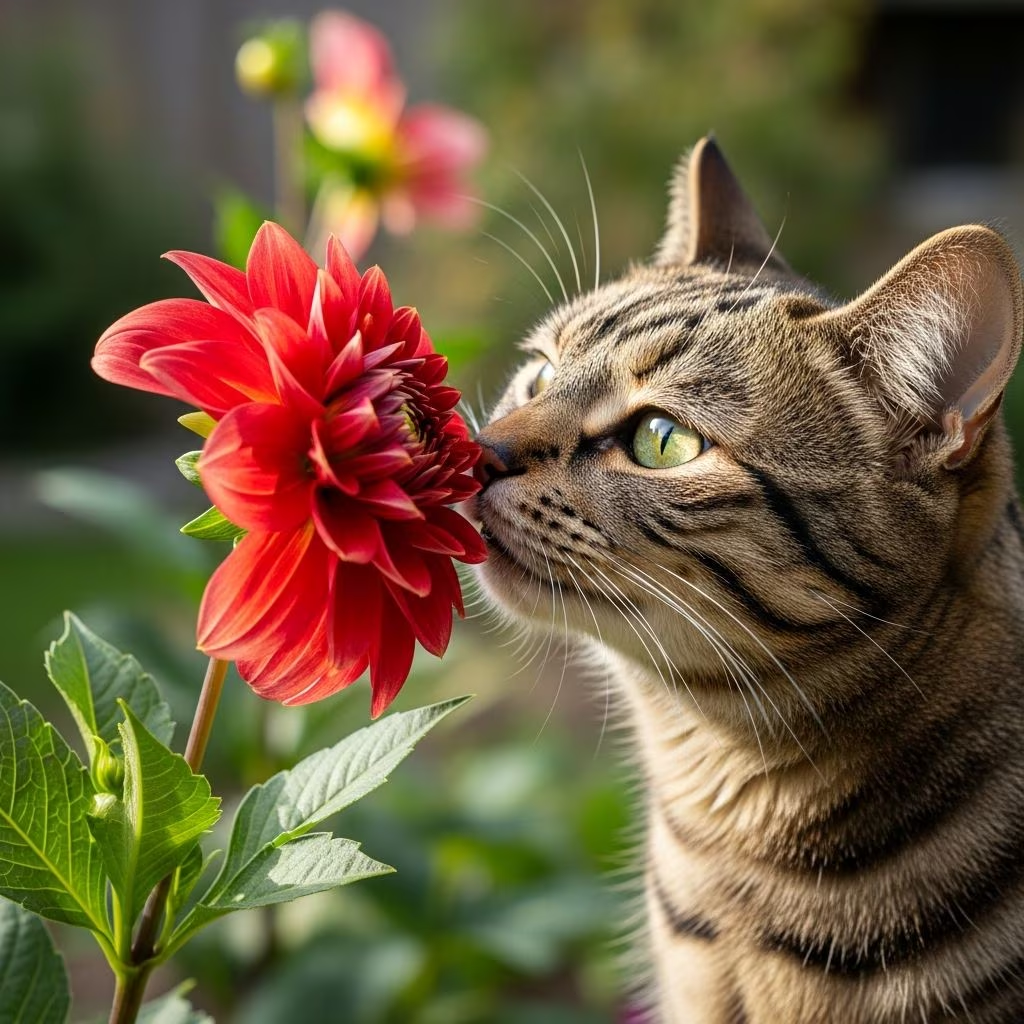
Dahlias are stunning perennial flowers prized for their vibrant colors and diverse shapes, blooming from mid-summer until the first frost. These tuberous plants from the Asteraceae family thrive in gardens and containers, often brought indoors as cut flowers. However, while they enhance our landscapes, dahlias pose a risk to cats. The ASPCA classifies dahlias as mildly toxic to cats, potentially causing gastrointestinal upset and mild dermatitis upon ingestion or contact. Cat owners must understand this threat to protect their curious pets from these alluring but hazardous blooms.
What Are Dahlias?
Dahlias belong to the Asteraceae family, alongside sunflowers, daisies, and chrysanthemums. Native to Central and South America, they feature tuberous roots and produce spectacular blooms in sizes from petite pompons to dinner-plate giants. Available in nearly every color except blue, dahlias bloom profusely from July through fall, making them garden favorites. Smaller varieties suit pots, allowing indoor display, but their appeal draws cats to sniff, bat, or chew them. Though not the most lethal plants, all parts—tubers, leaves, stems, and petals—contain unknown irritants harmful to felines.
Are Dahlias Toxic to Cats?
Yes, dahlias are toxic to cats. The ASPCA lists them as causing mild gastrointestinal signs and dermatitis in cats, dogs, and horses. While fatalities are rare, ingestion or skin contact leads to discomfort. The exact toxic principle remains unknown, but exposure irritates the digestive tract and skin. Even minimal contact warrants caution, as cats’ grooming habits exacerbate risks by ingesting plant residue from fur.
Which Parts of the Dahlia Are Toxic to Cats?
All parts of the dahlia plant are considered toxic to cats, including petals, leaves, stems, and tubers. Petals may cause oral irritation, while tubers—richer in irritants—pose greater risk if dug up and chewed. Leaves and stems provoke similar reactions upon contact or ingestion. Indoors, cut flowers remain hazardous, as water in vases can harbor bacteria or fungi worsening effects. Err on caution: no part is safe for feline interaction.
Symptoms of Dahlia Poisoning in Cats
Dahlia toxicity manifests mildly but noticeably. Symptoms typically appear within hours of exposure, varying by amount ingested, cat’s size, age, and health. Gastrointestinal issues dominate, with skin reactions from contact. Watch for these signs:
- Drooling or pawing at the mouth: Due to oral irritation from plant sap.
- Vomiting: Often the first sign as the stomach rejects irritants.
- Diarrhea: Mild to moderate, sometimes loose stools.
- Decreased appetite: Cats may refuse food due to nausea.
- Lethargy: General weakness or hiding behavior.
- Skin irritation: Redness, itching, rash, or blisters on paws, face, or mouth.
- Abdominal pain: Hunching, sensitivity to touch.
Severe cases are uncommon but possible in kittens or cats eating large quantities. Symptoms mimic other conditions, so veterinary assessment is essential.
What Happens if a Cat Eats a Dahlia?
If your cat ingests dahlia parts, irritants inflame the mouth, esophagus, stomach, and intestines, leading to gastroenteritis. Oral ulcers cause drooling; stomach upset prompts vomiting to expel toxins. Diarrhea aids elimination but dehydrates. Skin contact triggers dermatitis via sap oils. Most cats recover with supportive care, but prompt action prevents escalation. Factors influencing severity include:
- Quantity consumed
- Cat’s size and age (kittens more vulnerable)
- Pre-existing conditions
- Individual sensitivity
Even without immediate symptoms, monitor for 24-48 hours.
How Much Dahlia Is Toxic to Cats?
No safe threshold exists; even small amounts can trigger reactions in sensitive cats. A single petal or leaf bite suffices for mild symptoms, while multiple pieces or tubers cause stronger effects. Cats groom residue, amplifying ingestion. Kittens and small breeds face higher risks from tiny quantities. Prevention trumps tolerance testing.
Are Dahlia Petals Poisonous to Cats?
Yes, dahlia petals are poisonous to cats, capable of causing oral irritation, drooling, and vomiting if chewed. Though milder than tubers, they contain the same irritants. Vibrant petals tempt playful cats, but owners should discourage interaction.
How Do I Know If My Cat Ate a Dahlia?
Observe for plant debris on fur, whiskers, or paws; chewed leaves or petals nearby; or dirt from digging tubers. Behavioral clues include sudden pawing at mouth, retching, or hiding. Symptoms confirm suspicion. If unsure, photograph the plant or bring a sample bagged to the vet for identification.
What Do I Do If My Cat Eats a Dahlia? (Treatment and Prognosis)
Stay calm but act swiftly. Do not induce vomiting or give remedies without vet guidance—these can harm. Steps include:
- Remove plant material: Gently wipe mouth, paws, and fur with a damp cloth.
- Isolate cat: Place in a quiet, safe area for monitoring.
- Contact professionals: Call vet or ASPCA Poison Control (888-426-4435). Provide details: plant amount, time, symptoms, cat’s weight/health.
- Seek exam: Vet may induce vomiting, give activated charcoal, anti-nausea meds, fluids, or skin treatments.
Prognosis excels with early intervention; most cats recover in 1-3 days symptom-free. Hospitalization rare unless dehydrated.
How Do I Keep My Cat From Eating Dahlias?
Prevention safeguards best. Strategies:
- Garden placement: Plant dahlias in inaccessible spots, fences, or raised beds.
- Indoor barriers: Use hanging pots, shelves, or plant cages.
- Deterrents: Citrus peels, foil, or pet-safe repellents around bases.
- Alternatives: Offer cat grass, catnip, toys for distraction.
- Supervision: Monitor outdoor time; use leashes/harnesses.
Opt for non-toxic plants indoors/outdoors.
Cats Safe Plants and Flowers (Alternatives to Dahlias)
Swap dahlias for these ASPCA-approved safe options:
| Plant/Flower | Description |
|---|---|
| Gerbera Daisies | Bright, daisy-like blooms safe for nibbling. |
| Roses (petals/thorns-free) | Fragrant flowers; avoid stems/thorns. |
| Sunflowers | Tall, cheerful; seeds fun for cats. |
| Cat Grass | Encourages safe chewing, aids digestion. |
| Spider Plant | Hardy, non-toxic trailing foliage. |
Verify lists before planting.
Frequently Asked Questions
Are dahlias toxic to cats?
Yes, dahlias are mildly toxic to cats per ASPCA, causing GI upset and dermatitis.
Can cats die from eating dahlias?
No, dahlias rarely fatal; symptoms mild, resolve with care.
Are dahlia tubers poisonous to cats?
Yes, tubers most potent; avoid garden digging.
What if my cat licks a dahlia?
May cause drooling/irritation; rinse mouth, monitor, call vet if symptoms.
Are there dahlia varieties safe for cats?
No, all varieties toxic; choose alternatives.
Dahlias beautify spaces but endanger cats. Vigilance, safe plants, and quick response ensure feline safety. Consult vets for concerns.
References
- Are Dahlias Toxic to Cats? — Millis Animal Hospital. 2023. https://millisanimalhospital.com/blog/are-dahlias-toxic-to-cats/
- Are Dahlias Poisonous to Cats? Vet-Reviewed Houseplants Examined — Catster. 2024-05-15. https://www.catster.com/cat-health-care/are-dahlias-poisonous-to-cats/
- Are Dahlias Poisonous? — Plant Addicts. 2023. https://plantaddicts.com/are-dahlias-poisonous/
- Toxic and Non-toxic Plants: Dahlia — ASPCA. 2024. https://www.aspca.org/pet-care/aspca-poison-control/toxic-and-non-toxic-plants/dahlia
- Dahlia Poisoning in Cats – Symptoms, Causes, Diagnosis — WagWalking. 2023. https://wagwalking.com/cat/condition/dahlia-poisoning-1
- Poison Prevention: Plants Toxic to Dogs & Cats — Found Animals. 2023. https://www.foundanimals.org/plants-poisonous-to-dogs-and-cats/



