

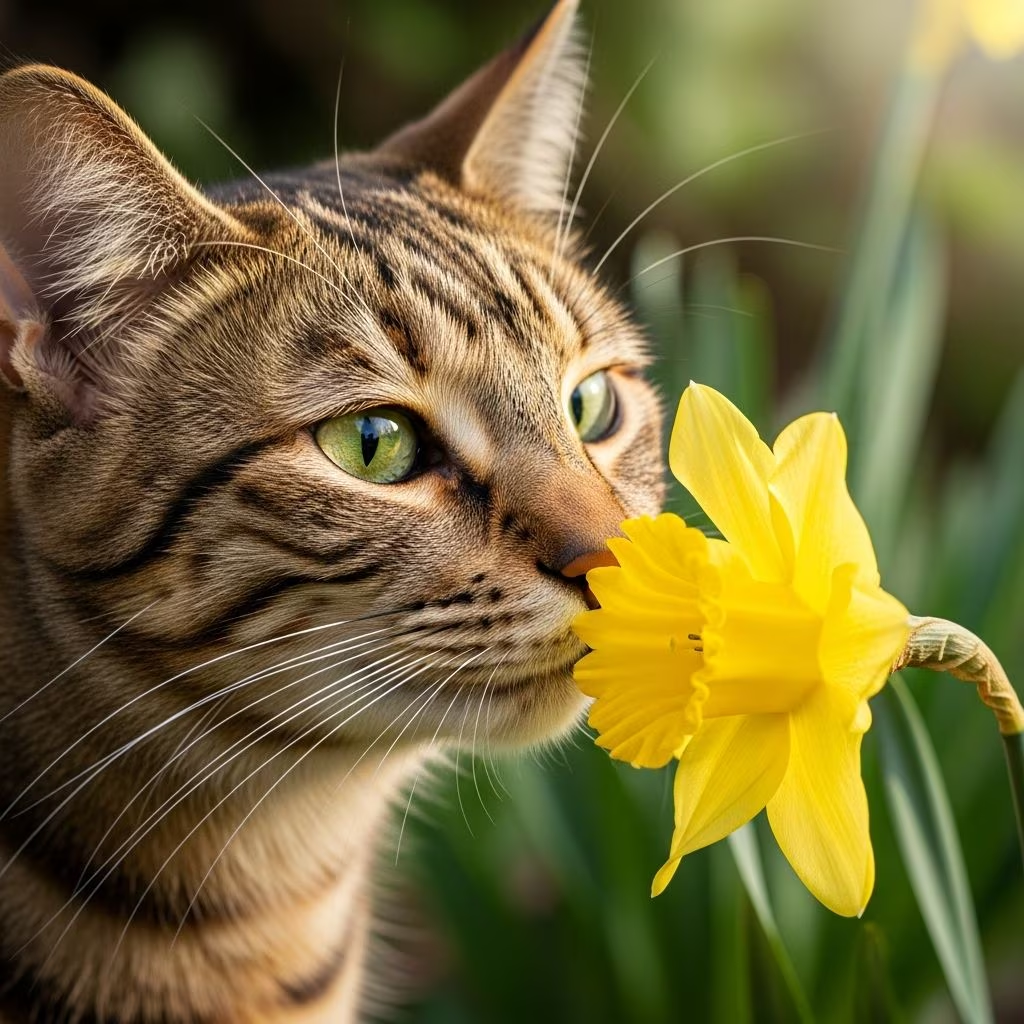
Daffodils (Narcissus spp.) are iconic spring flowers celebrated for their bright yellow blooms and cheerful presence in gardens and homes. However, these seemingly innocent plants pose a significant danger to cats. Every part of the daffodil—bulbs, stems, leaves, and flowers—contains potent toxins that can cause mild to severe poisoning in felines. Cat owners must prioritize awareness and prevention, especially during spring when daffodils are abundant.
The primary toxin, lycorine, is an alkaloid concentrated most heavily in the bulbs but present throughout the plant. Additional irritants like calcium oxalate crystals exacerbate oral and gastrointestinal distress. While fatalities are rare, symptoms can lead to dehydration, cardiac issues, and prolonged discomfort if untreated. Understanding the risks empowers cat guardians to create safer environments.
Why Are Daffodils Toxic to Cats?
Daffodils belong to the Amaryllidaceae family, which includes other feline-toxic plants like amaryllis and snowdrops. Lycorine triggers emesis by irritating the stomach lining and stimulating the brain’s chemoreceptor trigger zone. Calcium oxalate crystals cause mechanical irritation, leading to immediate salivation and pawing at the mouth.
Bulbs are the most dangerous, containing the highest lycorine levels—up to 0.5% by dry weight in some varieties. Even small ingestions can provoke reactions, with symptoms onsetting in 15 minutes to 24 hours. Cats’ curious nature and grooming habits amplify risks, as they may chew plants or ingest pollen-tracked debris.
- Bulbs: Highest toxin concentration; often dug up by curious cats.
- Flowers and Stems: Moderate lycorine; pollen can transfer via fur.
- Leaves: Lower but still hazardous; dried stalks remain toxic.
Research confirms these effects: a documented case involved a cat chewing dried daffodil stalks, resulting in vomiting, lethargy, anorexia, and hypothermia. The ASPCA lists daffodils as toxic, noting convulsions and arrhythmias from large ingestions.
Symptoms of Daffodil Poisoning in Cats
Recognizing symptoms early is crucial for timely intervention. Mild cases manifest as gastrointestinal upset, while severe ones involve systemic effects. Monitor for 24-48 hours post-exposure.
| Symptom | Severity | Onset Time |
|---|---|---|
| Vomiting | Mild-Severe | 15 min-2 hours |
| Excessive Drooling/Salivation | Mild | Immediate |
| Diarrhea | Mild-Severe | 1-6 hours |
| Abdominal Pain/Lethargy | Moderate | 2-24 hours |
| Tremors/Convulsions (Large Ingestion) | Severe | 2-24 hours |
| Low Blood Pressure/Cardiac Issues | Severe | Hours-Days |
Initial signs often include drooling and vomiting due to oral irritation and gastric distress. Progression may involve shivering, labored breathing, collapse, and dehydration. Cats may paw at their mouth or refuse food, signaling distress. Even without visible plant matter in vomit, toxicity is possible from partial absorption.
What to Do If Your Cat Eats a Daffodil
Act immediately—do not wait for symptoms. Contact a veterinarian or pet poison hotline (e.g., ASPCA Animal Poison Control) with details: plant part ingested, amount, time elapsed, and symptoms.
- Prevent Further Ingestion: Remove access to the plant; rinse mouth gently with water if safe.
- Call Professionals: Provide cat’s weight, breed, and health history for tailored advice.
- Monitor Closely: Note vital signs like heart rate, respiration, and hydration.
- Transport if Needed: Bring plant samples or vomit for analysis.
Avoid home remedies like milk or hydrogen peroxide, as they can worsen outcomes. Vets prioritize decontamination and support.
Treatment for Daffodil Poisoning in Cats
Veterinary care focuses on decontamination, symptom management, and monitoring. Prognosis is excellent with prompt treatment; most cats recover in 24-72 hours.
- Activated Charcoal: Binds remaining toxins in the gut; administered orally.
- Anti-Emetics: Controls vomiting (e.g., maropitant).
- IV Fluids: Corrects dehydration and supports blood pressure.
- Muscle Relaxants/Anti-Arrhythmics: For severe tremors or cardiac effects.
- Gastroprotectants: Soothe irritated stomach lining.
In a clinical case, supportive therapy resolved symptoms without antidotes, as no specific lycorine reversal exists. Hospitalization may be needed for severe cases involving collapse or hypotension.
How to Prevent Daffodil Poisoning in Cats
Prevention is straightforward and more reliable than treatment. Spring vigilance is key.
- Garden Strategies: Plant daffodils in fenced-off areas; use repellents like citrus peels or commercial pet-safe sprays.
- Indoor Precautions: Opt for cut flowers in cat-free zones; vacuum pollen promptly.
- Alternatives: Choose cat-safe plants (see below).
- Training/Deterrents: Use double-sided tape on pots or motion-activated air sprays.
- Supervision: Watch outdoor cats during bulb-planting season.
Cats Protection UK warns that bulbs are especially hazardous when discarded. Educate household members on risks.
Cat-Safe Spring Flowers and Plants
Enjoy vibrant gardens without worry. These alternatives are ASPCA-approved as non-toxic.
| Plant/Flower | Why Cat-Safe | Care Tips |
|---|---|---|
| Sunflowers | No toxic alkaloids | Full sun; pollinator-friendly |
| Marigolds | Mild scent deters cats naturally | Well-drained soil |
| Pansies/Violas | Edible petals for humans/pets | Partial shade |
| Petunias | Non-toxic foliage/flowers | Hanging baskets ideal |
| Roses (thornless varieties) | Only stems thorny; flowers safe | Prune regularly |
Always verify with ASPCA lists, as hybrids vary.
Common Myths About Daffodils and Cats
- Myth: Only Bulbs Are Toxic. False—all parts contain lycorine.
- Myth: Cats Won’t Eat Them. Curiosity drives many cases.
- Myth: Vomiting Clears It All. Absorption occurs rapidly.
Frequently Asked Questions (FAQs)
Are daffodil bulbs more poisonous than the flowers?
Yes, bulbs have the highest lycorine concentration, making them far more toxic.
Can a small bite of daffodil harm my cat?
Even minor ingestion can cause vomiting and irritation; contact a vet immediately.
Are daffodils poisonous to all pets?
Yes, toxic to cats, dogs, and horses per ASPCA.
How long do symptoms last?
Typically 24-72 hours with treatment; monitor closely.
What if my cat just sniffed the daffodil?
Sniffing is safe, but pollen on fur can lead to grooming ingestion—rinse if concerned.
This comprehensive guide equips cat owners to navigate spring safely. Prioritize prevention and swift action for peace of mind.
References
- Are Daffodils Poisonous to Cats? — Rover.com. 2023. https://www.rover.com/blog/are-daffodils-poisonous-to-cats/
- Are Daffodils Poisonous to Cats? Find out! — Purina UK. 2024. https://www.purina.co.uk/articles/cats/health/daily-care/are-daffodils-poisonous-to-cats
- Are Daffodils Poisonous to Cats? — Gardenia.net. 2024. https://www.gardenia.net/guide/are-daffodils-poisonous-to-cats
- Plants Poisonous to Cats – Our Guide — Cats Protection (cats.org.uk). 2023. https://www.cats.org.uk/help-and-advice/home-and-environment/dangerous-plants
- Are Daffodils Poisonous to Cats? Signs to Look Out For — Purina US. 2024. https://www.purina.com/articles/cat/health/routine-care/are-daffodils-poisonous-to-cats
- Daffodil toxicosis in an adult cat — PMC – NIH (peer-reviewed). 2000-01-01 (seminal case study, uniquely authoritative). https://pmc.ncbi.nlm.nih.gov/articles/PMC548613/
- Daffodil – Toxic and Non-toxic Plants — ASPCA.org (official). 2024. https://www.aspca.org/pet-care/aspca-poison-control/toxic-and-non-toxic-plants/daffodil



