

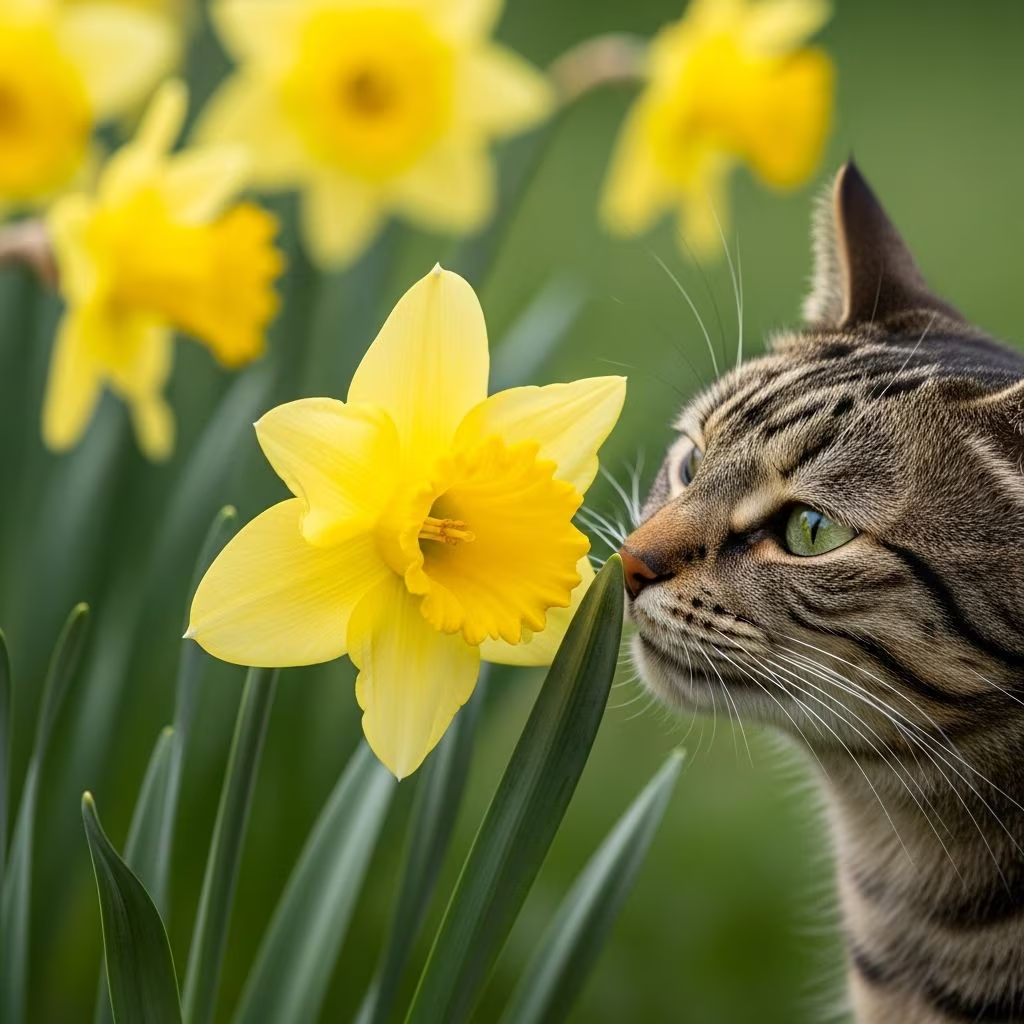
Daffodils (Narcissus spp.) are iconic spring flowers celebrated for their bright yellow blooms and cheerful presence in gardens and homes. However, these beautiful plants pose a significant danger to cats. Every part of the daffodil—bulbs, stems, leaves, and flowers—contains potent toxins that can cause mild to severe poisoning in felines. The primary culprit is lycorine, a crystalline alkaloid concentrated most heavily in the bulbs, which triggers vomiting and gastrointestinal distress. Calcium oxalate crystals in the plant also irritate the mouth and throat upon contact.
According to the ASPCA, daffodils are listed as toxic to cats, with symptoms ranging from drooling and vomiting to potentially life-threatening cardiac issues in large ingestions. Cats Protection, a leading UK charity, warns that daffodil bulbs contain extremely toxic crystals, while heads and leaves can still cause illness. Though rarely fatal, ingestion leads to unnecessary suffering, making prevention crucial for cat owners who enjoy these spring staples.
Why Are Daffodils Toxic to Cats?
Daffodils belong to the Amaryllidaceae family, which includes other pet-toxic plants like amaryllis and snowdrops. The toxicity stems from bioactive alkaloids, primarily lycorine, galanthamine, and narciclasine. Lycorine irritates the gastric mucosa and stimulates the chemoreceptor trigger zone in the brain, inducing vomiting as the body’s defense mechanism.
Calcium oxalate crystals form needle-like structures that pierce soft tissues in the mouth, tongue, esophagus, and stomach, causing immediate pain and excessive salivation. Bulbs are the most dangerous, containing the highest toxin concentration—up to 0.5% lycorine by dry weight—but even small amounts of flowers or leaves can harm curious cats who nibble on plants. A study in the Canadian Veterinary Journal documented severe daffodil toxicosis in a cat after chewing dried stalks, highlighting that toxicity persists even in non-fresh plant material.
Cats are particularly vulnerable due to their grooming habits; they may ingest plant residue from paws after contact. Indoor cats face higher risks from cut flowers in vases, while outdoor cats encounter bulbs in gardens. Toxicity levels vary by cat size, amount ingested, and plant part, but all exposures warrant veterinary attention.
Symptoms of Daffodil Poisoning in Cats
Symptoms typically appear within 15 minutes to 24 hours post-ingestion, often starting with gastrointestinal signs. Severity escalates with bulb consumption or large quantities. Watch for these common indicators:
- Vomiting: Often the first sign, sometimes containing plant fragments; may persist for hours.
- Excessive drooling/salivation: Due to mouth irritation from crystals.
- Diarrhea: Watery or bloody in severe cases.
- Abdominal pain: Manifests as hunching, sensitivity to touch, or vocalizing.
- Lethargy and weakness: Cat appears depressed or unwilling to move.
In moderate to severe poisoning, additional symptoms include:
- Labored or rapid breathing
- Shivering or tremors
- Low blood pressure (hypotension)
- Heart arrhythmias or bradycardia
- Collapse, hypothermia, or convulsions
- Anorexia and dehydration
A PMC case report described a cat exhibiting vomiting, lethargy, anorexia, and collapse after ingesting daffodil leaves, with symptoms resolving after veterinary intervention. If untreated, complications like dehydration or cardiac issues can arise, though fatalities are rare with prompt care.
What to Do If Your Cat Eats a Daffodil
Act immediately if you suspect daffodil ingestion—do not wait for symptoms. Contact your veterinarian, an emergency clinic, or a pet poison hotline like ASPCA Animal Poison Control (888-426-4435 in the US) or VPIS in the UK. Provide details: what part of the plant, amount, time of ingestion, and your cat’s weight.
Do not induce vomiting at home unless instructed by a professional, as this can worsen esophageal damage from crystals. Rinse your cat’s mouth gently with water if safe, but avoid forcing it. Monitor closely and note symptoms for the vet.
Treatment for Daffodil Poisoning in Cats
Veterinary treatment focuses on decontamination, symptom management, and supportive care. Common protocols include:
- Activated charcoal: Administered to bind and eliminate toxins from the gut (vet-only products).
- Anti-emetics: Medications like maropitant to control vomiting.
- IV fluids: To combat dehydration and support blood pressure.
- Pain relief and anti-diarrheals: For gastrointestinal discomfort.
- Monitoring: ECG for cardiac issues, bloodwork for electrolyte imbalances.
Most cats recover within 24-72 hours with treatment. In the PMC case, the cat improved after fluid therapy and monitoring despite initial collapse. Hospitalization may be needed for severe cases.
How to Prevent Daffodil Poisoning in Cats
Prevention is straightforward and effective:
- Remove daffodils: Keep cut flowers out of homes; avoid planting in cat-accessible gardens.
- Use barriers: Elevate vases or use cat-proof enclosures.
- Opt for safe alternatives: Choose non-toxic spring blooms (see below).
- Supervise outdoors: Accompany cats in yards during bulb season.
- Train and deter: Use bitter sprays on plants; provide cat grass as a safe chew alternative.
Gardeners can plant daffodils in raised beds or fenced areas cats can’t reach. Educate household members about risks, especially in spring when bulbs are stored indoors.
Cat-Safe Alternatives to Daffodils
Enjoy spring color without risk. ASPCA-approved safe plants include:
| Plant | Description | Why Cat-Safe |
|---|---|---|
| Sunflowers | Bright yellow blooms, easy to grow | Non-toxic; seeds are treats |
| Marigolds | Vibrant orange/yellow flowers | Mildly irritating but generally safe |
| Petunias | Cascading spring/summer color | Fully non-toxic |
| Snapdragons | Tall spikes of pastel flowers | Safe for nibbling |
| Catnip/Catmint | Aromatic herbs | Encourages play, non-toxic |
Always verify with ASPCA’s toxic plant list before introducing new greenery.
Other Toxic Spring Plants to Avoid
Beyond daffodils, watch for:
- Tulips: Bulbs contain tulipalin A; causes drooling, vomiting.
- Hyacinths: Similar alkaloids; severe GI upset.
- Amaryllis: Lycorine-like toxins.
- Iris: Irritants cause oral pain.
Spring bulb season heightens risks—store bulbs securely.
Frequently Asked Questions (FAQs)
Are daffodil bulbs more toxic than the flowers?
Yes, bulbs have the highest lycorine concentration, leading to severe symptoms, but all parts are poisonous.
Can cats die from eating daffodils?
Rarely, but severe cases can cause fatal cardiac arrhythmias if untreated. Prompt vet care is key.
Are daffodil leaves poisonous to cats?
Yes, leaves contain toxins and crystals, causing irritation and vomiting.
How long do symptoms last?
Typically 24-72 hours with treatment; monitor for dehydration.
What if my cat just licked a daffodil?
Even contact can cause drooling; rinse mouth and call vet if symptoms appear.
References
- Are Daffodils Poisonous to Cats? — Rover.com. 2023. https://www.rover.com/blog/are-daffodils-poisonous-to-cats/
- Are Daffodils Poisonous to Cats? Find out! — Purina UK. 2024-01-15. https://www.purina.co.uk/articles/cats/health/daily-care/are-daffodils-poisonous-to-cats
- Are Daffodils Poisonous to Cats? — Gardenia.net. 2024. https://www.gardenia.net/guide/are-daffodils-poisonous-to-cats
- Plants Poisonous to Cats – Our Guide — Cats Protection (cats.org.uk). 2023. https://www.cats.org.uk/help-and-advice/home-and-environment/dangerous-plants
- Are Daffodils Poisonous to Cats? Signs to Look Out For — Purina US. 2024. https://www.purina.com/articles/cat/health/routine-care/are-daffodils-poisonous-to-cats
- Daffodil toxicosis in an adult cat — PMC/NCBI (NIH). 2002-06-01. https://pmc.ncbi.nlm.nih.gov/articles/PMC548613/
- Daffodil – Toxic and Non-toxic Plants — ASPCA.org. 2024. https://www.aspca.org/pet-care/aspca-poison-control/toxic-and-non-toxic-plants/daffodil



