

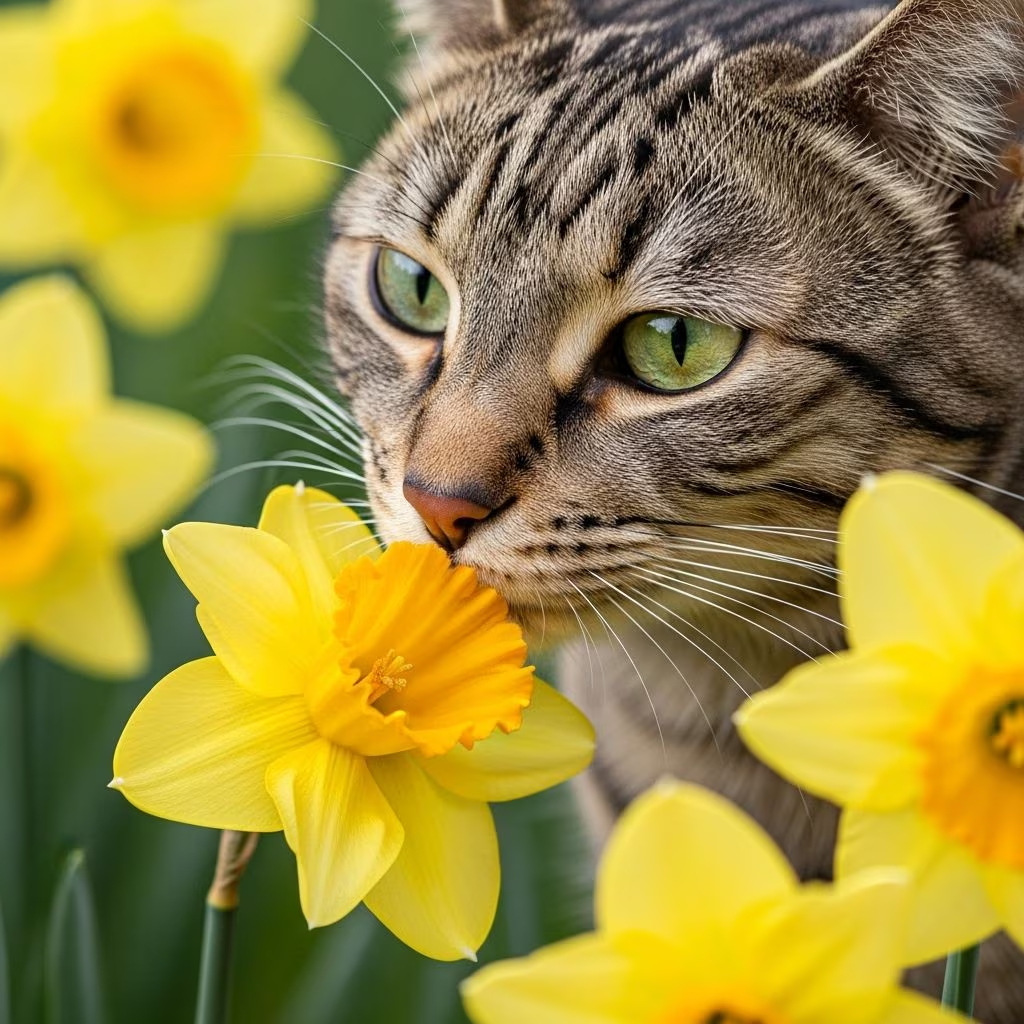
Daffodils (Narcissus spp.) are iconic spring flowers known for their bright yellow blooms and cheerful presence in gardens and homes. However, these beautiful plants pose a significant danger to cats. Every part of the daffodil—bulbs, stems, leaves, and flowers—contains potent toxins that can cause mild to severe poisoning in felines. The primary culprit is lycorine, a crystalline alkaloid concentrated most heavily in the bulbs, which triggers vomiting and gastrointestinal distress. Calcium oxalate crystals in the plant also irritate the mouth and throat upon contact.
According to the ASPCA, daffodils are classified as toxic to cats, with symptoms ranging from drooling and vomiting to potentially life-threatening cardiac issues in severe cases. Cats Protection warns that daffodil bulbs contain extremely toxic crystals, and even the heads and leaves can make cats unwell. While fatalities are rare, prompt intervention is crucial to prevent suffering. This guide explores the toxicity, symptoms, treatment, prevention strategies, and cat-safe alternatives to help cat owners enjoy spring blooms safely.
Why Are Daffodils Toxic to Cats?
Daffodils belong to the Amaryllidaceae family, which includes other pet-toxic plants like amaryllis and snowdrops. The key toxin, lycorine, acts as an emetic, irritating the gastric mucosa and stimulating the brain’s vomiting center. It’s present throughout the plant but reaches highest concentrations in the bulb—up to 0.5% by dry weight—making bulb ingestion particularly hazardous.
Upon ingestion, lycorine disrupts normal digestion, leading to rapid expulsion of stomach contents. Calcium oxalate crystals exacerbate the issue by causing mechanical irritation: their needle-like structure pierces soft tissues in the mouth, esophagus, and stomach, resulting in inflammation and pain. A study documented in PubMed describes a case of daffodil toxicosis in an adult cat after chewing dried stalks, highlighting that even non-bulb parts can induce vomiting, lethargy, anorexia, and dehydration.
Cats are especially vulnerable due to their curious nature and grooming habits. They may nibble plants out of boredom or investigate vases, and post-ingestion grooming spreads irritants further. Toxicity levels vary: small amounts cause mild upset, while large ingestions (e.g., half a bulb) can lead to convulsions, low blood pressure, and heart arrhythmias. Purina notes the whole plant is toxic, though rarely fatal with veterinary care.
Symptoms of Daffodil Poisoning in Cats
Symptoms typically onset within 15 minutes to 24 hours, depending on the ingested amount and part. Early signs stem from local irritation, progressing to systemic effects if toxins absorb. Monitor closely if you suspect exposure.
- Vomiting: Often the first and most common sign, sometimes containing plant material. Persistent vomiting leads to dehydration.
- Excessive drooling/salivation: Due to mouth and throat irritation from oxalate crystals.
- Diarrhea: Loose, watery stools indicate gastrointestinal upset.
- Abdominal pain: Cats may hunch, vocalize, or resist touch.
- Lethargy and weakness: From dehydration and toxin effects.
- Labored breathing or shivering: Signs of systemic involvement.
Severe cases include tremors, convulsions, low blood pressure, hypothermia, bradycardia, and cardiac arrhythmias—potentially fatal without treatment. In the PMC case, the cat showed collapse and hyperglycemia after leaf ingestion. Contact a vet immediately if any symptoms appear, even mildly.
What to Do If Your Cat Eats a Daffodil
Act fast: Do not induce vomiting at home, as it risks aspiration or further irritation. Instead:
- Remove access: Confine the cat away from the plant and secure remnants.
- Call professionals: Contact your vet, ASPCA Poison Control (888-426-4435 in US), or local equivalent like VPIS in UK immediately. Provide details: plant part, amount, time ingested, cat’s weight, and symptoms.
- Observe and note: Track symptoms without offering food/water unless advised.
- Transport safely: If vet-directed, bring plant samples or vomit for analysis.
Vets assess via history, exam, bloodwork, and may administer activated charcoal to bind toxins, IV fluids for hydration, anti-emetics, and gastroprotectants. In severe cases, monitoring for cardiac issues or hospitalization is needed. Early intervention yields excellent prognosis; delays increase complications.
Treatment for Daffodil Poisoning
Veterinary treatment focuses on decontamination, symptom relief, and support. Common protocols include:
| Treatment | Purpose | Notes |
|---|---|---|
| Activated charcoal | Adsorbs remaining toxins | Administered orally; repeat doses possible. |
| IV fluids | Corrects dehydration/electrolytes | Essential for prolonged vomiting. |
| Anti-emetics (e.g., maropitant) | Controls nausea/vomiting | Reduces further toxin absorption. |
| GI protectants (e.g., sucralfate) | Coats irritated stomach | Relieves pain and ulceration. |
| Muscle relaxants/anti-convulsants | Manages tremors/seizures | For severe neurological signs. |
| Cardiac monitoring | Detects arrhythmias | Bulb ingestions highest risk. |
Most cats recover within 24-48 hours with supportive care. The PMC case cat improved after fluids and monitoring, despite initial collapse. Never use human medications or home remedies.
How to Prevent Daffodil Poisoning
Prevention is straightforward and effective:
- Avoid daffodils: Opt for cat-safe plants indoors/outdoors.
- Secure gardens: Plant daffodils in fenced-off areas or use deterrents like citrus sprays (cats dislike the smell).
- No indoor vases: Place bouquets in cat-free zones; discard promptly.
- Supervise and train: Distract curious cats with toys; use bitter sprays on plants.
- Garden cleanup: Dispose of bulbs, cuttings securely to prevent digging/chewing.
Educate household members, especially children, about risks. Regular home audits for toxins enhance safety.
Cat-Safe Spring Flowers and Plants
Enjoy vibrant alternatives without worry. Safe options per ASPCA:
- Sunflowers
- Roses (petals; avoid thorns)
- Carnations
- Snapdragons
- Dusty miller
- Honeysuckle (non-invasive varieties)
Orchids (certain types), African violets, and spider plants are also safe. Always verify with ASPCA list. Create cat gardens with catnip, cat thyme, or wheatgrass for safe nibbling.
Other Toxic Spring Plants to Avoid
Beyond daffodils, watch for:
- Tulips: Similar toxins; bulbs most dangerous.
- Hyacinths: Cause severe vomiting/diarrhea.
- Amaryllis: Same family; lycorine-rich.
- Irises: Rhizomes toxic.
- Crocuses (spring-blooming): High toxin levels.
Spring bulbs generally pose risks; prioritize safety.
Frequently Asked Questions (FAQs)
Are daffodil bulbs more toxic than the flowers?
Yes, bulbs contain the highest lycorine concentration, leading to severe symptoms, but all parts are poisonous.
Can a small bite of daffodil harm my cat?
Even small amounts cause irritation and vomiting; larger ingestions risk serious issues. Always seek vet advice.
How quickly do symptoms appear after eating daffodils?
Within 15 minutes to 24 hours, often 2 hours.
Are daffodils poisonous if just touched or brushed against?
Skin contact rarely causes issues, but oxalate crystals can irritate mouth/paws if chewed post-contact.
What if my cat ate daffodil leaves?
Leaves are toxic, as shown in case studies causing vomiting and lethargy. Contact vet immediately.
References
- Are Daffodils Poisonous to Cats? — Rover.com. 2023. https://www.rover.com/blog/are-daffodils-poisonous-to-cats/
- Are Daffodils Poisonous to Cats? Find out! — Purina UK. 2024. https://www.purina.co.uk/articles/cats/health/daily-care/are-daffodils-poisonous-to-cats
- Are Daffodils Poisonous to Cats? — Gardenia.net. 2024. https://www.gardenia.net/guide/are-daffodils-poisonous-to-cats
- Plants Poisonous to Cats – Our Guide — Cats Protection (cats.org.uk). 2023. https://www.cats.org.uk/help-and-advice/home-and-environment/dangerous-plants
- Are Daffodils Poisonous to Cats? Signs to Look Out For — Purina US. 2024. https://www.purina.com/articles/cat/health/routine-care/are-daffodils-poisonous-to-cats
- Daffodil toxicosis in an adult cat — National Center for Biotechnology Information (PMC). 2007-06-01. https://pmc.ncbi.nlm.nih.gov/articles/PMC548613/
- Daffodil – Toxic and Non-toxic Plants — ASPCA. 2024. https://www.aspca.org/pet-care/aspca-poison-control/toxic-and-non-toxic-plants/daffodil



