

Are Conkers Poisonous to Dogs?
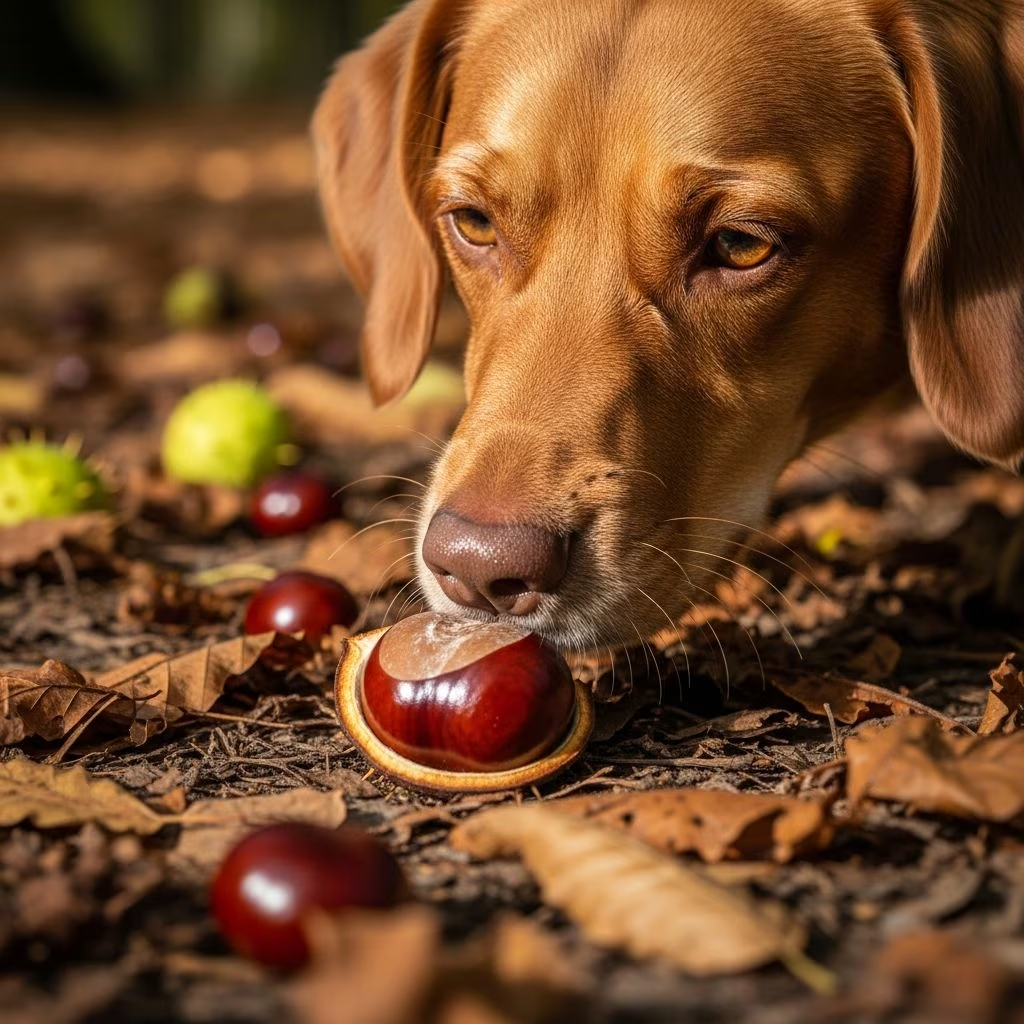
Conkers, the seeds of the horse chestnut tree (Aesculus hippocastanum), are indeed poisonous to dogs and pose a genuine health risk, particularly during autumn months when they fall to the ground. These hard, shiny brown seeds contain a toxic compound called aesculin, which can cause serious health complications if ingested by your canine companion. While conker poisoning cases do occur regularly in veterinary practice, especially during the autumn season, severe cases and fatalities remain relatively uncommon when treated promptly. Understanding the dangers of conkers and taking preventative measures is essential for dog owners, particularly those living in areas where horse chestnut trees are prevalent.
Understanding the Toxic Compound: Aesculin
The primary toxic element responsible for conker poisoning in dogs is a neurotoxic glycoside called aesculin. This toxic compound is not limited to just the conkers themselves; it is present throughout the entire horse chestnut tree. The toxin can be found in the seeds (conkers), leaves, bark, and flowers of the tree. At low doses, aesculin causes gastrointestinal distress, while at higher doses it can lead to more severe neurological effects. The amount of toxin in each individual conker varies significantly depending on factors such as which tree it came from, environmental conditions, and the year of production.
What Are Conkers and When Do They Appear?
Conkers are the seeds of the horse chestnut tree and typically appear in late summer and early autumn when they ripen and fall to the ground. In the United Kingdom alone, there are an estimated 470,000 horse chestnut trees, with most found in parks, gardens, streets, and village greens. These distinctive seeds are housed in spiky cases and have become iconic symbols of autumn in the UK. Historically, they’ve been popular with schoolchildren who string them together for playground games called “conker fights.” However, this same appeal to children also makes conkers attractive to curious dogs, who may investigate or consume them during autumn walks.
Why Dogs Are Attracted to Conkers
Dogs may be drawn to conkers for several reasons. The objects’ size and shape make them interesting to play with, and some dogs enjoy picking them up and carrying them during walks. The novelty of newly fallen conkers in autumn, combined with their distinct appearance, can trigger a dog’s natural curiosity and investigative behavior. Additionally, some dogs may not be deterred by the bitter taste of conkers if they are particularly food-motivated or have a habit of consuming non-food items.
How Poisonous Are Conkers to Dogs?
The severity of conker poisoning depends on several factors, including the quantity consumed, the dog’s size, individual sensitivity, and overall health status. Conkers taste quite bitter, which acts as a natural deterrent, making it unlikely that most dogs will consume large quantities. However, this cannot be relied upon as protection. Eating small amounts may cause only a mild upset stomach, but larger quantities can trigger more serious health complications. The toxic potency varies from tree to tree and year to year, making it impossible to predict exactly how many conkers a dog would need to consume to become seriously ill.
Research from the Veterinary Poisons Information Service indicates that approximately one-third of dogs that ingest conkers do not develop any clinical signs. However, when symptoms do occur, they can range from mild gastrointestinal upset to severe poisoning. In rare cases, conker poisoning has been known to be fatal, though life-threatening episodes are uncommon. Smaller dogs face a higher risk of severe illness and complications, particularly from intestinal blockages caused by whole conkers.
Symptoms of Conker Poisoning in Dogs
Clinical signs of conker poisoning typically appear between one and six hours after ingestion, although symptoms can be delayed for up to two days. It is crucial for dog owners to recognize these warning signs:
- Gastrointestinal symptoms: Vomiting (which may contain blood), diarrhoea, and abdominal pain are the most common effects.
- Drooling: Excessive salivation may indicate oral irritation or nausea.
- Increased thirst: Dogs may drink more water than usual.
- Reduced appetite: Loss of interest in food or refusal to eat.
- Lethargy: Unusual tiredness or lack of energy.
- Neurological signs: In more severe cases, dogs may display restlessness, wobbliness, muscle tremors, seizures, or paralysis.
- Inability to walk straight: Loss of coordination or ataxia may be observed in severe poisoning cases.
According to the Veterinary Poisons Information Service, vomiting is the most common effect following conker ingestion, followed by abdominal discomfort and lethargy.
Additional Dangers: Obstruction and Choking
Beyond the toxic effects of aesculin, conkers pose another serious threat to dogs: physical obstruction and choking hazards. Because of their shape and size, when swallowed whole, conkers can cause dangerous blockages in the stomach or intestines. This risk is particularly acute in smaller dog breeds, where a single conker may be sufficient to cause a complete obstruction. Additionally, conkers can lodge in a dog’s throat, causing choking, which is an extremely serious condition requiring immediate emergency veterinary intervention. Intestinal blockages resulting from conker ingestion may require surgical removal, adding significant complexity and cost to treatment.
What to Do If Your Dog Eats a Conker
If you suspect your dog has eaten conkers, immediate action is essential. First, contact your veterinarian or nearest emergency veterinary clinic without delay. Make a note of the time of ingestion and attempt to estimate how many conkers your dog consumed. If you witness your dog eating a conker, safely remove it from their mouth if possible. Remove your dog from the area where conkers are present immediately to prevent further ingestion.
Your veterinarian may advise you to contact the animal poison line for additional guidance. Provide your vet with as much information as possible about the time of ingestion, estimated quantity consumed, your dog’s weight, and any symptoms you’ve observed. Time is critical in treating conker poisoning, as early intervention significantly improves outcomes.
Veterinary Treatment for Conker Poisoning
When a dog is presented to a veterinarian with suspected conker poisoning, treatment focuses on removing as much of the toxin from the dog’s system as possible and managing symptoms. No known antidote exists for conker poisoning, so treatment is supportive and symptomatic, meaning it addresses the symptoms without targeting the underlying cause.
Common veterinary interventions include:
- Induced vomiting: The vet may administer medication to make the dog vomit, expelling undigested conkers from the stomach.
- Gastric lavage: Also called stomach washing, this procedure involves flushing the stomach to remove conker material and reduce toxin absorption.
- Intravenous fluids: A drip may be administered to support hydration and help flush toxins through the system.
- Surgical intervention: If intestinal blockage has occurred, surgical removal of the obstruction may be necessary.
- Supportive care: Management of symptoms such as vomiting and diarrhoea, pain relief, and monitoring of vital signs.
The prognosis for dogs treated promptly for conker poisoning is generally good, though outcomes are more guarded in cases where intestinal obstruction has developed. Early veterinary intervention significantly improves the likelihood of full recovery.
Prevention: How to Stop Dogs Eating Conkers
The best approach to conker poisoning is prevention. Since there is no specific antidote, protecting your dog from exposure is paramount.
Key prevention strategies include:
- Identify horse chestnut trees: Learn to recognize what the horse chestnut tree looks like and note their locations in your neighbourhood.
- Avoid high-risk areas: Where possible, avoid walking your dog in areas with horse chestnut trees during autumn months when conkers are falling.
- Use a lead in autumn: If your dog is prone to picking up and carrying conkers, keep them on a lead when walking in areas where horse chestnut trees are growing.
- Supervise closely: Keep a close eye on your dog when outdoors, particularly during late summer and autumn.
- Provide distractions: Take along a ball or chew toy to occupy your dog’s mouth and redirect their attention away from conkers.
- Encourage appropriate play: Try to encourage your dog to play with toys rather than natural objects, and never throw conkers for your dog to fetch.
- Training: Work on “drop it” and “leave it” commands to help prevent your dog from consuming hazardous items.
Are All Parts of the Horse Chestnut Tree Dangerous?
Yes, the entire horse chestnut tree is poisonous to dogs, not just the conkers. The aesculin toxin is present in the seeds, leaves, bark, and flowers of the tree. Therefore, it is important to prevent your dog from interacting with any part of the horse chestnut tree, including fallen leaves, branches, or flowers. This means that even during seasons when conkers are not falling, the tree remains a potential hazard.
Frequently Asked Questions
Q: How common is conker poisoning in dogs?
A: While conker poisonings do occur regularly in veterinary practice, particularly during autumn, serious cases and fatalities are rare. Emergency vets see cases regularly, but most dogs that ingest small quantities or receive prompt treatment recover well.
Q: Can conkers be fatal to dogs?
A: Yes, conker poisoning can be fatal in rare cases, particularly if large quantities are ingested or if the dog does not receive prompt veterinary treatment. However, fatalities are uncommon when treatment is administered quickly.
Q: Do all dogs that eat conkers become ill?
A: No. According to veterinary data, approximately one-third of dogs that ingest conkers do not develop any clinical signs. However, this does not mean it is safe; the risk should never be taken.
Q: How quickly do conker poisoning symptoms appear?
A: Clinical signs usually appear between one and six hours after ingestion, but symptoms can be delayed for up to two days. This is why monitoring your dog closely after suspected ingestion is critical.
Q: What should I do if I see my dog eating a conker?
A: If safe to do so, try to remove the conker from your dog’s mouth immediately. Contact your veterinarian or emergency clinic right away, noting the time and estimated quantity consumed.
Q: Is there a cure or antidote for conker poisoning?
A: No known antidote exists for conker poisoning. Treatment is supportive, focusing on removing toxins and managing symptoms rather than neutralizing the poison itself.
Q: Can conkers cause intestinal blockage?
A: Yes. Conkers can cause intestinal blockages, particularly in smaller dogs when swallowed whole. This is a serious condition that may require surgery and represents a significant risk beyond just chemical poisoning.
Q: How many conkers does a dog need to eat to become ill?
A: It is impossible to determine a specific number, as toxicity varies from tree to tree and year to year, and individual dogs respond differently to toxins. Therefore, any conker ingestion should be treated seriously.
References
- Dangers of Conkers for Dogs — Vets Now. Accessed January 2026. https://www.vets-now.com/pet-care-advice/dangers-of-conkers-for-dogs/
- Are Conkers Poisonous to Dogs? — Joii Pet Care. Accessed January 2026. https://www.joiipetcare.com/blogs/advice/are-conkers-poisonous-to-dogs
- Are Conkers Poisonous to Dogs? — The Kennel Club. Accessed January 2026. https://www.royalkennelclub.com/health-and-dog-care/health-dog-care/health/health-and-care/a-z-of-health-and-care-issues/conkers/
- Are Conkers Poisonous to Dogs? — Warren House Vets. Accessed January 2026. https://www.warrenhousevets.co.uk/news/230-are-conkers-poisonous-to-dogs
- Conkers and Acorns — Veterinary Poisons Information Service. Accessed January 2026. https://www.vpisglobal.com/2019/10/01/conkers-and-acorns/
- Horse Chestnut Poisoning in Dogs — Wag Walking. Accessed January 2026. https://wagwalking.com/condition/horse-chestnut-poisoning



