

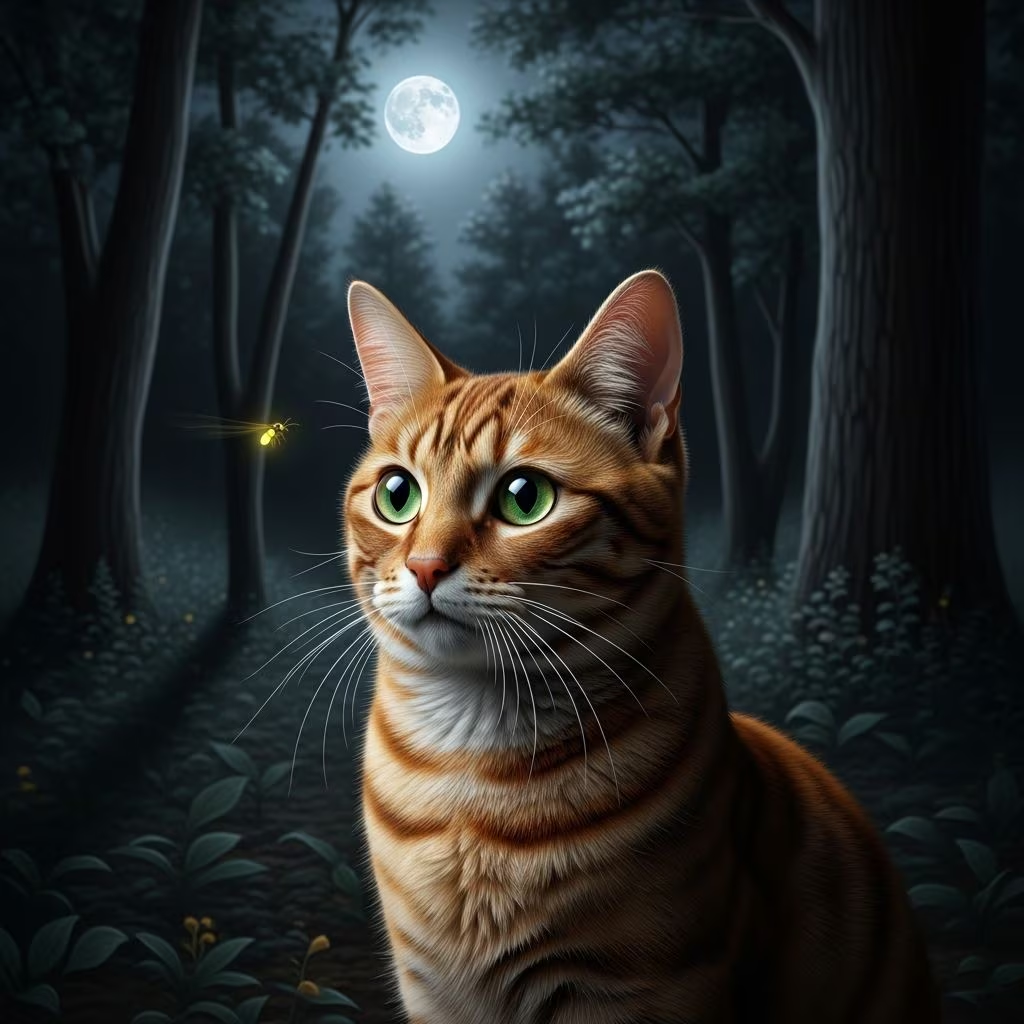
Cats exhibit heightened activity during twilight hours due to their crepuscular nature, rather than being strictly nocturnal. This biological trait stems from ancestral hunting instincts, making evenings and early mornings prime times for play and exploration, often clashing with human sleep schedules.
The Science Behind Feline Activity Cycles
Understanding cat behavior requires distinguishing between common misconceptions and biological facts. Domestic cats are not nocturnal animals that thrive solely in darkness; instead, they are crepuscular, meaning their peak activity aligns with dawn and dusk when prey is most active in the wild. Studies from the 1960s to 1990s, involving direct observations by scientists and owners, confirmed these patterns persist in pets.
Adult cats typically sleep 12 to 18 hours daily, with seniors potentially reaching 20 hours. However, this sleep is polyphasic, interspersed with bursts of energy. Males may show more daytime vigor than females, but all retain twilight peaks. In natural settings, cats hunt small mammals and birds during low-light periods, a rhythm unchanged by domestication.
Common Nighttime Behaviors and What They Signal
Owners frequently report disruptive actions that interrupt rest. These include:
- Zooming across furniture or beds in explosive play sessions.
- Gently nibbling or pouncing on toes and ears under covers.
- Striding over sleeping bodies or vocalizing loudly.
- Yowling, crying, or scratching doors for attention.
Such behaviors, dubbed “night crazies,” arise from pent-up energy or instinctual drives. Younger cats display playful surges as bedtime nears, while exploration urges lead outdoor cats to roam quietly under cover of darkness.
Primary Reasons for Evening and Nighttime Energy
Several factors amplify a cat’s natural crepuscular tendencies, turning mild activity into household disturbances.
Daytime Napping and Evening Rebound
Cats left alone during work hours often slumber extensively, conserving energy for your return. Evening interactions then trigger delayed play, extending into night. This mismatch occurs because free-roaming cats sync with human routines during the day but revert to instincts post-sunset.
Boredom and Social Needs
As social creatures, cats crave stimulation. Isolation breeds boredom, prompting nocturnal bids for interaction via pouncing or meowing. Lack of environmental variety leads to excessive sleep replacing enrichment, fueling night bursts.
Hunger Drives and Feeding Routines
Twilight feeding instincts prompt hunger signals at inconvenient times. Cats may solicit food through persistence, inadvertently reinforced by owners providing midnight snacks.
Age-Related Shifts
Kittens and young adults burst with vigor at dusk. Seniors face altered cycles from cognitive decline, hearing loss, anxiety, or conditions like hyperthyroidism, increasing restlessness.
| Life Stage | Typical Sleep | Nighttime Tendencies |
|---|---|---|
| Kitten/Young Adult | 16-20 hours | High-energy play bursts at twilight |
| Adult | 12-18 hours | Crepuscular peaks, adaptable to owners |
| Senior | 18-20+ hours | Restlessness from health or cognitive issues |
Health Concerns Mimicking Normal Activity
Sudden escalations in nighttime vigor warrant veterinary attention. Conditions like pain, anxiety, hyperthyroidism, chronic illnesses, or dementia disrupt sleep, causing hyperactivity, vocalization, or neediness. Age-related dementia impairs memory and routines, while thyroid issues boost metabolism.
Monitor for:
- Abrupt changes in patterns.
- Accompanied symptoms like weight loss or excessive thirst.
- Inability to settle despite interventions.
A vet exam rules out underlying problems before behavioral adjustments.
Effective Strategies to Curb Nighttime Disruptions
Aligning your cat’s rhythm with yours involves routine tweaks, enrichment, and consistency. Implement gradually for best results.
Optimize Feeding Schedules
Shift dinner to later evenings to induce sleepiness. Use automatic feeders for dawn portions, avoiding mid-night rewards that encourage wakefulness. This mimics natural hunting satiation.
Boost Daytime Engagement
Provide puzzle toys, window perches, and rotating playthings to combat boredom. Schedule 15-30 minute sessions before bed, simulating hunts with wand toys.
Create a Conducive Sleep Environment
Offer cozy, elevated beds away from your room. Pheromone diffusers like FELIWAY Optimum promote calm. Dim lights and quiet spaces signal rest time.
Ignore Attention-Seeking Safely
Resist responding to nocturnal demands; instead, reward quiet daytime behavior. Gradual extinction prevents reinforcement.
Enrichment for Outdoor Inclinations
For explorers, secure catios or timed door access reduce risks while satisfying urges.
Life Stage-Specific Management Tips
- Kittens: Tire them with extended evening play; multiple short naps daytime.
- Adults: Consistent routines sync cycles; vertical spaces for energy release.
- Seniors: Vet checks first; softer foods, heated beds ease discomfort.
Frequently Asked Questions (FAQs)
Why does my cat only get hyperactive at night?
Crepuscular instincts peak then, amplified by daytime naps.
Can diet changes reduce nighttime activity?
Yes, later meals promote pre-bed drowsiness.
Is it normal for older cats to roam more at night?
Possibly, but check for health issues like cognitive dysfunction.
How much play is enough to tire a cat?
Two 15-minute sessions daily, focused on predatory motions.
What if strategies fail?
Consult a vet or behaviorist for tailored plans.
Long-Term Benefits of Balanced Routines
Consistent interventions foster harmony, reducing stress for cat and owner. Healthier cats enjoy enriched lives, preventing obesity from inactivity. Track progress weekly, adjusting as needed. Patience yields a quieter household.
References
- Nighttime Activity in Cats — WebMD. 2023. https://www.webmd.com/pets/cats/nighttime-activity-cats
- Nocturnal Behavior (Cats) — San Francisco SPCA. 2024. https://www.sfspca.org/resource/nocturnal-behavior/
- Are Cats Nocturnal? — Zoetis Petcare. 2024. https://www.zoetispetcare.com/blog/article/are-cats-nocturnal
- Cat Behavior Problems: Nocturnal Activity — Arch Animal Hospital West. 2023. https://archanimalhospitalwest.com/cat-behavior-problems-nocturnal-activity/
- Cat Behavior Problems – Nocturnal Activity — VCA Animal Hospitals. 2024. https://vcahospitals.com/know-your-pet/cat-behavior-problems—nocturnal-activity
- What Do Cats Do at Night? — FELIWAY. 2023. https://www.feliway.co.uk/blogs/news/what-do-cats-do-at-night-a-kittys-point-of-view



