

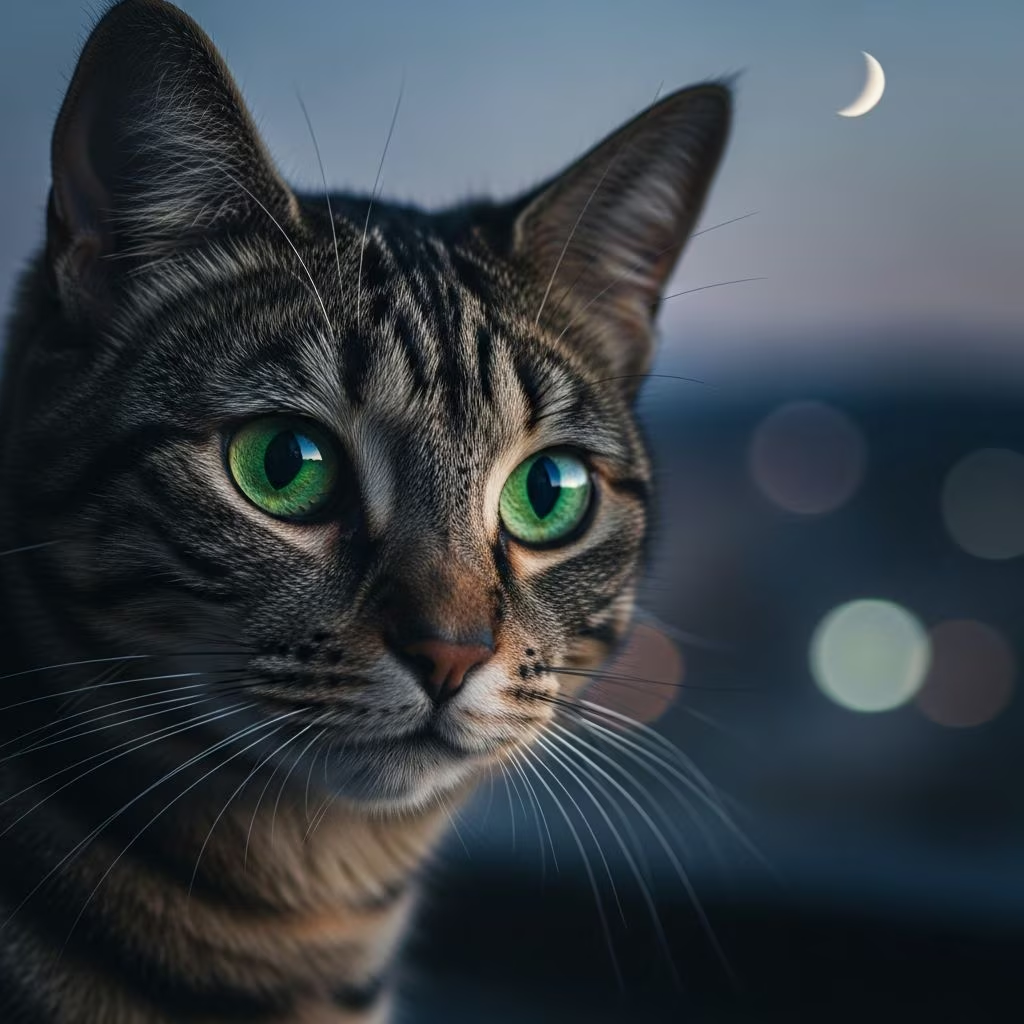
Cats captivate us with their mysterious behaviors, especially their tendency to spring into action when the house quiets down. Far from being strictly nocturnal creatures that thrive solely in darkness, domestic cats follow a crepuscular rhythm, peaking in energy during twilight periods of dawn and dusk. This evolutionary trait stems from their wild ancestors’ hunting strategies, where low-light conditions offered the perfect ambush opportunities against active prey like rodents and birds.
The Science Behind Feline Activity Cycles
Understanding a cat’s daily rhythm requires delving into their biological clock. Crepuscular behavior means cats are wired for short, intense bursts of activity around sunrise and sunset, followed by extended rest periods. Research and observations confirm that adult cats average 12 to 18 hours of sleep daily, often in multiple naps, conserving energy for these prime hunting windows. Kittens and seniors may deviate, with the former displaying more erratic energy and the latter snoozing up to 20 hours.
This pattern persists in domesticated cats despite ample food and safety, as instincts override modern comforts. Indoor cats, lacking wild hunts, channel this drive into play, exploration, or pestering owners—mistakenly labeled as nocturnal mischief. Veterinary insights emphasize that while cats adapt to human schedules, their core crepuscular nature shines through, especially if daytime boredom leads to compensatory nighttime vigor.
Why Your Cat Seems Like a Nighttime Menace
Picture this: you’ve settled into bed, only for your cat to launch zoomies across the mattress or yowl for attention. This isn’t defiance but a mismatch between feline instincts and human diurnal lives. Cats left alone during the day often nap excessively, awakening refreshed as evening falls—coinciding with your bedtime.
- Daytime Isolation: Solo cats sleep through work hours, priming them for evening play.
- Hunger Signals: Dawn meows mimic wild calls for post-hunt meals.
- Play Deprivation: Insufficient stimulation builds pent-up energy for nocturnal release.
- Age Factors: Younger cats burst with vigor; older ones seek comfort.
External influences like multi-pet households or poor introductions can exacerbate this, prompting hide-and-seek games or territorial patrols under cover of night.
Evolutionary Roots of Crepuscular Habits
Cats’ ancestors, small wild felids, honed crepuscularity for survival. Twilight minimized risks from diurnal predators while maximizing encounters with crepuscular prey. Excellent low-light vision—thanks to a reflective tapetum lucidum layer behind the retina—equipped them for stealthy stalks.
Domestication hasn’t erased this; indoor cats retain the ‘predatory cycle’: hunt (or play), eat, groom, sleep. Without fulfilling hunts, they simulate through toys or owner interactions, often timing these to natural peaks. Studies from veterinary behaviorists note that this cycle, disrupted in captivity, manifests as bedtime disruptions if not addressed.
Decoding Common Nighttime Behaviors
| Behavior | Possible Cause | Wild Equivalent |
|---|---|---|
| Zoomies or Pouncing | Energy Surplus from Day Naps | Hunting Sprints |
| Nibbling Toes/Ears | Triggered by Movement | Prey Ambush |
| Vocalizing | Hunger or Loneliness | Mating Calls/Territory |
| Exploration/Hiding | Curiosity or Stress | Territorial Patrols |
These actions, while endearing in daylight, turn frustrating at 3 AM. Owners sometimes reinforce them unwittingly by responding with pets or treats, teaching cats that night is interaction prime time.
Proven Strategies to Align Cat and Owner Sleep
Harmonizing schedules demands consistency, mimicking the wild cycle. Start with structured evenings: vigorous play sessions 1-2 hours before bed simulate hunts, tiring your cat naturally. Follow with a meal to replicate post-hunt feasting, cueing rest.
- Establish Routines: Fixed play, feed, sleep times train internal clocks.
- Boost Daytime Engagement: Puzzle feeders, window perches combat boredom.
- Exercise Regimens: Wand toys, laser pointers for 15-30 minute bursts.
- Bedroom Boundaries: No play in sleep zones; use separate rooms if needed.
- Ignore Night Calls: Withhold attention to extinguish demands.
For multi-cat homes, provide ample resources—litter boxes, beds, scratchers—to reduce competition-fueled nights. Environmental enrichments like cat trees or tunnels channel instincts safely.
Health Checks: When Activity Signals Trouble
Sudden spikes in nighttime activity warrant vet visits. Hyperthyroidism, arthritis, or cognitive dysfunction in seniors can disrupt sleep. Pain prompts restlessness; monitor for weight loss, thirst, or litter changes. Baseline sleep of 12-18 hours shouldn’t plummet or surge without reason—track patterns and consult professionals.
Kittens overtired from growth may crash unpredictably, while obese cats struggle with mobility, leading to frustrated nights. Nutritional tweaks or meds often restore balance.
Enhancing Your Cat’s Environment for Better Nights
A stimulated cat naps contentedly. Invest in vertical spaces for climbing, interactive feeders for mental workouts, and safe outdoor access via enclosures for natural exploration. Dim nightlights aid vision without full alertness. Pheromone diffusers calm stress-induced prowls.
Seasonal shifts affect patterns; shorter days amplify dusk energy. Adjust play to match, ensuring year-round harmony.
Frequently Asked Questions (FAQs)
Can I train my cat to sleep through the night?
Yes, through consistent routines, evening exertion, and ignoring nocturnal bids for attention. Patience yields results in weeks.
Are some breeds more crepuscular than others?
All domestic cats share this trait, though high-energy breeds like Bengals may amplify it.
What if my senior cat is suddenly active at night?
Rule out medical issues like hyperthyroidism; vets can diagnose via bloodwork.
Do outdoor cats exhibit less nighttime activity?
They fulfill instincts outside, often sleeping more soundly indoors post-patrols.
Is it okay to free-feed to curb dawn hunger?
No; timed meals reinforce schedules better than constant access.
Long-Term Benefits of Rhythm Synchronization
Addressing crepuscular quirks fosters deeper bonds, reduces stress, and promotes health. Peaceful nights mean happier humans and fulfilled felines, honoring their evolutionary legacy in modern homes.
References
- Are Cats Nocturnal? — Zoetis Petcare. 2023. https://www.zoetispetcare.com/blog/article/are-cats-nocturnal
- Nocturnal Behavior (Cats) — San Francisco SPCA. 2024. https://www.sfspca.org/resource/nocturnal-behavior/
- Cat Behavior Problems: Nocturnal Activity — Arch Animal Hospital West. 2023. https://archanimalhospitalwest.com/cat-behavior-problems-nocturnal-activity/
- What Do Cats Do at Night? A Kitty’s Point of View! — Feliway UK. 2024. https://www.feliway.co.uk/blogs/news/what-do-cats-do-at-night-a-kittys-point-of-view
- Cat Behavior Problems – Nocturnal Activity — VCA Animal Hospitals. 2023. https://vcahospitals.com/know-your-pet/cat-behavior-problems—nocturnal-activity



