

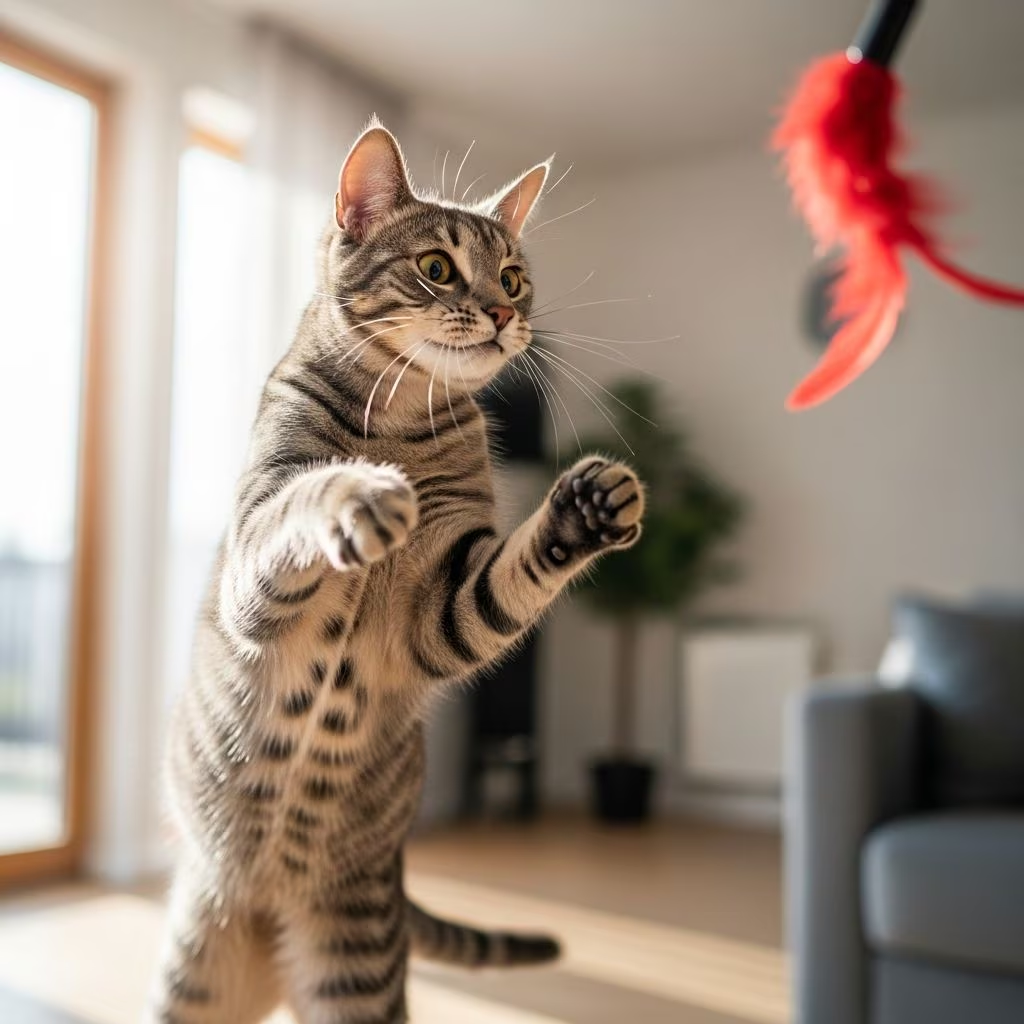
Cats are inherently playful creatures, engaging in play to mimic hunting, develop skills, release energy, and bond with humans and other cats. This natural behavior is essential for their physical health, mental stimulation, and emotional well-being, evolving from kittenhood through adulthood and into senior years.
Why Do Cats Play?
Play is not mere entertainment for cats; it is a fundamental instinct rooted in their predatory ancestry. Even well-fed indoor cats retain the drive to stalk, chase, and pounce, using play to practice survival skills like coordination, reflexes, and social interaction.
Kittens begin with rough-and-tumble wrestling to build motor skills and learn bite inhibition, transitioning to more sophisticated stalking and ambushing as they mature. Adult cats play to combat boredom, maintain fitness, alleviate stress, and strengthen bonds with owners. Without adequate play, cats may exhibit destructive behaviors, obesity, or frustration.
- Play mimics hunting sequences: crouching, wiggling hindquarters, and pouncing.
- It provides mental stimulation, preventing cognitive decline.
- Interactive play fosters trust and affection between cat and owner.
Types of Cat Play
Cats exhibit diverse play styles, each serving specific needs. Understanding these helps tailor enrichment to your cat’s preferences.
Predatory Play
The most instinctive form, involving stalking, chasing, and pouncing on toys or moving objects. This satisfies their inner hunter, keeping them sharp and active. Toys like feather wands or laser pointers excel here.
Social Play
Between compatible cats or with humans, this includes wrestling, chasing, and mutual grooming. Play fighting features forward ears, relaxed bodies, and no vocalization like growling. Distinguish it from aggression by body language.
Object Play
Cats bat, carry, or chase small items like crumpled paper or toy mice. This exploratory behavior triggers prey responses when objects move unpredictably.
Solitary Play
Independent cats, especially seniors, enjoy self-directed play with automated toys that move or make noise, ideal for when owners are away.
Observe your cat to identify favorites—some prefer solo batting, others interactive chases—for personalized routines.
Cat Play Behavior Explained
Typical play sequences mirror hunts: intense staring, tail flicking for alertness, crouching low, butt-wiggling, and explosive pouncing. Tail quivering signals excitement, while flicking indicates focus during stimulation.
Exploratory pawing turns into chasing when items roll, fulfilling curiosity and hunting drives. Happy cats may zoom around, rubbing against owners (allorubbing) post-play to share scents and bond.
Indoor cats rely on owners for this stimulation, as they lack natural outlets, making daily sessions crucial to curb issues like night-time zoomies or furniture scratching.
Benefits of Play for Cats
Regular play yields multifaceted advantages:
- Physical Health: Burns calories, builds muscle, prevents obesity.
- Mental Stimulation: Reduces boredom, sharpens cognition.
- Behavioral Control: Channels energy, minimizing aggression or destruction.
- Bonding: Strengthens human-cat relationships through shared ‘hunting’ success.
- Stress Relief: Lowers anxiety, promotes relaxation.
Without it, cats face frustration, weight gain, or stress-related illnesses. Structured play is the easiest path to balance.
Interactive Play with Your Cat
The most rewarding play involves direct engagement, using toys to simulate prey. Dangle strings, drag toys, or toss balls to trigger instincts while keeping hands safe.
End sessions on a high note with treats or affection to reinforce positive associations. Vary routines to prevent habituation—cats tire of static toys quickly.
Play Aggression in Cats
Play can intensify into aggression via overstimulation. Common in young or understimulated cats, it features sudden bites, scratches, or ambushes on hands/feet.
Warning Signs:
- Dilated pupils
- Flattened ears
- Lashing or flicking tail
- Tense body, twitching skin
- Growling, hissing
Redirect immediately with toys, ignore rough behavior, and never punish—it erodes trust. Use long toys to maintain distance.
Preventing and Managing Play Aggression
Proactive strategies include:
- Daily 10-15 minute sessions, twice daily.
- Enrichment toys: puzzle feeders, cat trees, window perches.
- Socialization for kittens to learn boundaries.
- Neutering to temper hormones.
- Environmental rotation: rearrange furniture for novelty.
If aggression persists, consult a vet to rule out pain or medical issues.
Enrichment Ideas for Playful Cats
Boost stimulation beyond toys:
- Cardboard boxes, tunnels, scratching posts.
- Automated toys, treat-dispensing balls.
- Safe plants, shelves for climbing.
- Window bird feeders for ‘hunting’ views.
- Rotation: swap toys weekly.
These spark curiosity, mimicking wild exploration.
Cat Play by Age
| Life Stage | Play Characteristics | Tips |
|---|---|---|
| Kittens | High energy, wrestling, chasing; builds skills. | Short, frequent sessions; supervise multi-cat play. |
| Adults | Consistent predatory/object play; boredom-prone. | Daily interactive routines; vary toys. |
| Seniors | Gentle, low-impact; shorter bursts. | Soft toys, no high jumps; vet-guided plans. |
Signs Your Cat Needs More Play
Behavioral cues include restlessness, excessive meowing, night zoomies, destructive scratching, or lethargy from boredom.
- Overly intense pouncing on owners.
- Hiding or sudden disinterest.
- Weight gain or low activity.
- Inter-cat tension.
Initiate play to redirect; persistent changes warrant veterinary checks for health issues.
Frequently Asked Questions (FAQs)
What age are cats most playful?
Kittens and young adults (up to 2-3 years) show peak playfulness, with energy tapering in seniors but never vanishing entirely.
Why does my cat bite during play?
Overstimulation or poor bite inhibition; redirect to toys and end sessions at early signs like tail thrashing.
How much play do cats need daily?
15-30 minutes of interactive play, split into sessions, plus self-play opportunities.
Is my cat playing or being aggressive?
Play: relaxed body, forward ears, no growls. Aggression: stiff posture, hissing, pinned ears.
Can older cats still play?
Yes, adapt to gentle activities like slow chasing to maintain health without strain.
Conclusion
Embracing your cat’s playful side enriches their life and yours. Consistent, varied play prevents issues, promotes vitality, and deepens bonds. Tailor activities to their age and preferences for optimal joy.
References
- Cat Play Behavior — Taylorsville Veterinary Clinic. 2025-11-14. https://mtairyvets.com/2025/11/14/cat-play-behavior/
- Decoding Common Cat Behavior — MedVet Blog. N/A. https://www.medvet.com/cat-behaviors/
- Understanding Feline Play and Play Aggression — Express Vets North Woodstock. N/A. https://www.expressvetswoodstock.com/blog/understanding-feline-play-and-play-aggression-express-vets-north-woodstock
- Understanding Cat’s Gentle Biting: Playful Nips and Affectionate — bfahnh.com. N/A. https://bfahnh.com/blog/cat-play-biting/
- The Definitive Guide to Cat Behavior and Body Language — Tuft & Paw. N/A. https://www.tuftandpaw.com/blogs/cat-guides/the-definitive-guide-to-cat-behavior-and-body-language
- Behavior Tips: Is my cat playing or aggressive? — University of Prince Edward Island Veterinary Teaching Hospital. 2023-05. https://vth.upei.ca/wp-content/uploads/2023/05/Behaviour-Tips-2022-Is-my-cat-playing-or-aggressive.pdf
- The 12 Signs of an Extremely Happy Cat — Cats.com. N/A. https://cats.com/signs-of-a-happy-cat



