

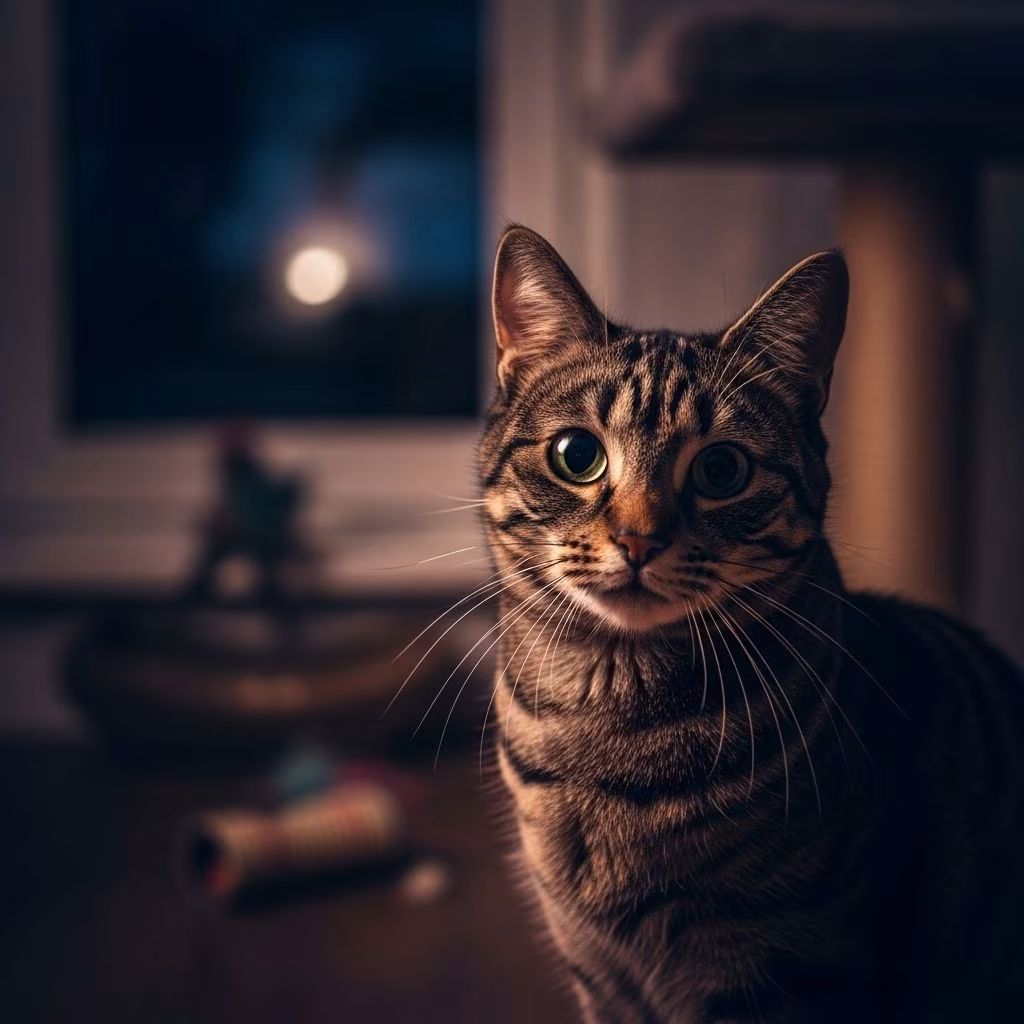
Cats are not nocturnal but **crepuscular**, meaning they are most active during twilight hours at dawn and dusk when their wild prey is also active. This natural rhythm often clashes with human sleep schedules, leading to frustrating nighttime antics, but understanding their biology allows owners to manage it effectively.
What Does Crepuscular Mean?
The term **crepuscular** describes animals active primarily during low-light periods of dawn and dusk, unlike nocturnal animals (active at night) or diurnal ones (active daytime). Cats evolved this pattern as skilled hunters targeting rodents and birds most vulnerable in twilight, with excellent low-light vision aiding their pursuits.
Domestic cats retain these instincts despite not needing to hunt for survival. Studies from the 1960s-1990s, including behavioral observations, confirm cats sleep 12-18 hours daily in polyphasic patterns—short naps interspersed with activity bursts—but peak energy aligns with twilight. Kittens and young cats show more pronounced bursts, while seniors may sleep up to 20 hours.
Cat Sleep Patterns
Adult cats average 12-18 hours of sleep per day, often in 20-30 minute naps rather than consolidated nighttime rest. This polyphasic schedule suits their ancestral needs: conserve energy for hunting, rest between meals. Indoor cats adapt somewhat to human routines but revert to crepuscular peaks if bored or understimulated.
- Daytime:** Extended naps due to low stimulation, especially if owners are away.
- Twilight:** Hunting/exploration peaks.
- Night:** Generally quieter, but disruptions like hunger or play-seeking occur.
Sudden changes in sleep patterns warrant veterinary checks for issues like hyperthyroidism or pain.
Signs of Nocturnal Cat Behavior
Owners often mistake crepuscular activity for nocturnal mischief. Common disruptive behaviors include:
- Wild zooming or ‘night crazies’ across furniture.
- Nibbling/attacking toes, ears, or walking on sleeping owners.
- Yowling, crying, or meowing loudly.
- Scratching doors or knocking objects.
- Explosive play sessions disrupting sleep.
These peak in evenings or early mornings, frustrating sleep-deprived owners.
Why Are Cats Active at Night?
Several factors amplify crepuscular tendencies into perceived nocturnal activity:
- Natural Instincts:** Twilight hunting/traveling.
- Daytime Boredom/Loneliness:** Cats sleep excessively alone, unleashing energy at night.
- Hunger:** Feeding aligns with dawn/dusk hunts; empty bowls prompt wake-ups.
- Lack of Stimulation:** Insufficient play leads to attention-seeking.
- Age:** Kittens burst with energy; unspayed females may yowl in heat.
- Multi-Pet Homes:** Competition or hiding prompts nighttime exploration.
Owners unintentionally reinforce by responding with food/attention.
How to Manage Your Cat’s Nighttime Activity
Align your cat’s schedule with yours through routine, exercise, and environment tweaks. Veterinary behaviorists recommend:
1. Establish a Consistent Routine
Feed, play, and bedtime at fixed times to mimic natural cycles. Evening play followed by a meal simulates hunt-eat-rest.
2. Increase Daytime Exercise and Stimulation
Schedule 4×10-minute interactive sessions daily with wand toys, lasers. Tire them out before your bedtime. Designate play zones; rotate toys to prevent boredom.
- Use puzzle feeders for mental workouts.
- Provide vertical spaces: cat trees, shelves for exploration.
3. Prevent Daytime Oversleeping
Wake cat periodically for play to reset polyphasic sleep toward human nights.
4. Nighttime Strategies
Ignore demands to avoid reinforcement; use automatic feeders for midnight hunger. Create cozy, safe hideaways with pheromone diffusers like Feliway for security.
| Problem | Solution |
|---|---|
| Zoomies/Yowling | Pre-bed play + meal |
| Attacking in Bed | Separate sleep area; daytime tiring |
| Hunger Wakes | Scheduled dinner; timed feeder |
| Boredom | Enrichment toys, routines |
5. When to See a Vet
If strategies fail, rule out medical causes: thyroid issues, arthritis, or cognitive dysfunction in seniors.
Are Kittens More Active at Night?
Yes, kittens exhibit extreme crepuscular bursts due to high energy and play drives, often called ‘witching hour.’ Extra sessions and kitten-proofing help; they mature into calmer patterns by 1-2 years.
Do Outdoor Cats Act Differently?
Outdoor cats fully embrace crepuscular exploring/hunting at night, scent-marking territory with less traffic. Indoor cats mimic this via indoor hunts.
Frequently Asked Questions (FAQs)
Are cats really nocturnal?
No, cats are crepuscular—active at dawn/dusk, not full nights.
Why does my cat wake me up at night?
Likely hunger, boredom from daytime naps, or crepuscular peaks.
How can I stop my cat’s nighttime zoomies?
Play vigorously before bed, feed, then ignore. Add daytime stimulation.
Do older cats become more nocturnal?
They sleep more overall but may wander due to discomfort; vet check advised.
Is it normal for cats to yowl at night?
Often yes (instinct/attention), but persistent cases need health evaluation.
References
- Nighttime Activity in Cats — WebMD. 2023-05-15. https://www.webmd.com/pets/cats/nighttime-activity-cats
- Nocturnal Behavior (Cats) — San Francisco SPCA. 2024-02-10. https://www.sfspca.org/resource/nocturnal-behavior/
- Are Cats Nocturnal? — Zoetis Petcare. 2024-08-22. https://www.zoetispetcare.com/blog/article/are-cats-nocturnal
- Cat Behavior Problems – Nocturnal Activity — VCA Animal Hospitals. 2023-11-01. https://vcahospitals.com/know-your-pet/cat-behavior-problems—nocturnal-activity
- Cat Behavior Problems: Nocturnal Activity — Arch Animal Hospital West. 2024-01-12. https://archanimalhospitalwest.com/cat-behavior-problems-nocturnal-activity/
- What Do Cats Do at Night? — Feliway UK. 2023-09-18. https://www.feliway.co.uk/blogs/news/what-do-cats-do-at-night-a-kittys-point-of-view
- Are Cats Nocturnal? — PetMD. 2024-06-05. https://www.petmd.com/cat/general-health/are-cats-nocturnal



