

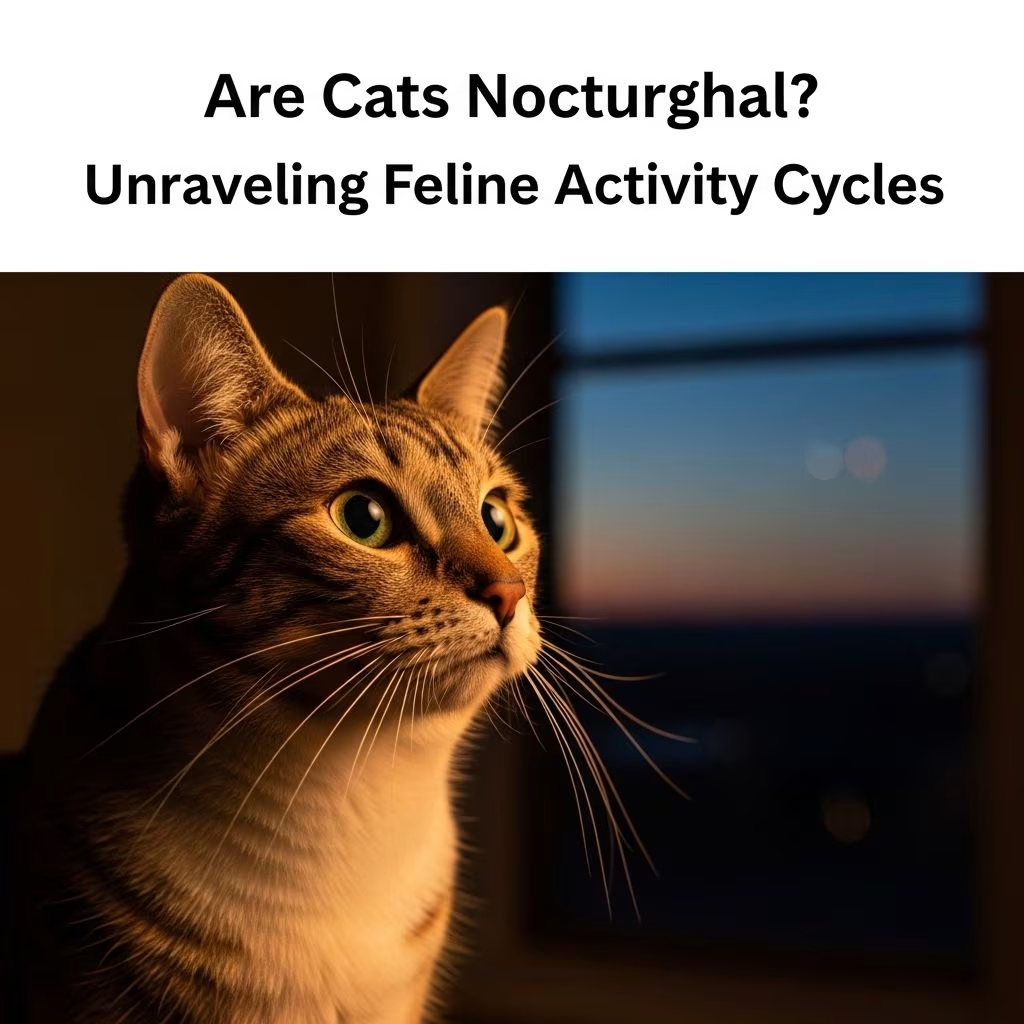
Cats display peak energy during twilight hours, making them crepuscular rather than nocturnal. This natural rhythm stems from their evolutionary hunting instincts, active primarily at dawn and dusk when prey is abundant.
The Science Behind Cat Circadian Rhythms
Feline circadian rhythms differ markedly from human schedules. Adult cats typically sleep 12-18 hours daily, often in short naps, conserving energy for bursts of activity. Kittens and seniors may exceed 20 hours, while activity spikes align with low-light periods.
Research from veterinary behaviorists confirms cats’ crepuscular profile: most vigilant and playful from dusk until dawn’s first light. This pattern persists in domestic settings, overriding full nocturnal adaptation.
Evolutionary Roots of Twilight Activity
In the wild, cats thrived by targeting rodents and birds active at twilight. Their superior low-light vision—thanks to a reflective tapetum lucidum layer behind the retina—enabled stealthy approaches in dim conditions.
Domestic cats retain these traits despite reliable meals. Indoor felines nap through daylight, awakening as shadows lengthen, mimicking ancestral hunts. This explains why your cat might zoom across furniture precisely when you dim the lights.
Why Your Cat Acts Like a Nighttime Terror
Many owners mistake crepuscular vigor for nocturnal habits because cats nap all day during human absence. Evening returns trigger play, feeding, and social time, extending into night.
- Daytime Boredom: Solitary cats sleep excessively while alone, unleashing pent-up energy post-sunset.
- Inadvertent Reinforcement: Midnight treats or pets reward wakefulness, perpetuating cycles.
- Age Factors: Younger cats exhibit explosive play; older ones seek comfort or hunt instinctively.
Gender differences appear: males often roam more actively day and night compared to females.
Health Indicators in Sleep Disruptions
Sudden changes in activity warrant veterinary checks. Hyperactivity might signal hyperthyroidism, pain, or cognitive decline in seniors. Conversely, lethargy could indicate illness.
| Sleep Change | Possible Cause | Action |
|---|---|---|
| Increased Night Activity | Boredom, Instinct | Enrich Environment |
| Sudden Sleepiness | Illness, Age | Vet Visit |
| Erratic Patterns | Stress, Diet | Routine Adjustment |
Proven Strategies to Align Cat and Human Schedules
Resetting your cat’s rhythm requires consistency, mimicking the predatory cycle: hunt, eat, sleep. Implement these vet-recommended steps for quieter nights.
Establish a Consistent Daily Routine
Feed, play, and retire at fixed times. Evening sessions tire cats naturally, promoting overnight rest. Avoid bedroom play to associate it solely with sleep.
Boost Daytime Engagement
Interactive toys, puzzle feeders, and vertical spaces prevent daytime naps. Rotate toys to sustain interest, channeling energy appropriately.
- Laser pointers for chase simulations.
- Cat trees for climbing and perching.
- Window perches for bird-watching.
Pre-Bedtime Hunt-and-Feast Protocol
20-30 minutes of vigorous play before your bedtime, followed by a meal, replicates wild patterns. Exhausted and satiated, cats settle.
Minimize Nighttime Rewards
Ignore meows or pounces; respond only during designated hours. Use automatic feeders for early risers without full engagement.
Environmental Tweaks for Peaceful Nights
Designate play-free zones, especially bedrooms. Provide cozy, elevated sleep spots away from human beds to encourage independent rest.
For multi-cat homes, ensure ample resources—litter boxes, bowls, scratchers—to reduce territorial night patrols.
Understanding Nocturnal vs. Crepuscular: Key Differences
| Term | Peak Activity | Examples | Cat Fit |
|---|---|---|---|
| Nocturnal | Full Night | Bats, Owls | No |
| Crepuscular | Dawn/Dusk | Deer, Rabbits | Yes |
| Diurnal | Daytime | Dogs, Humans | No |
Special Considerations for Kittens, Seniors, and Multi-Pet Homes
Kittens demand frequent play to match growth spurts. Seniors may vocalize due to disorientation; pheromone diffusers like Feliway calm nerves.
In shared homes, separate playtimes prevent overstimulation. Outdoor access at night risks fights or hazards—keep indoors.
FAQs: Common Questions on Feline Night Habits
Will My Cat Ever Sleep Through the Night Like Me?
Full synchronization is unlikely due to biology, but routines reduce disruptions significantly.
Is Night Zooming Normal?
Yes, it’s crepuscular expression. Channel it productively.
What If My Cat’s Behavior Worsens?
Consult a vet to rule out medical issues.
Can Diet Influence Activity?
High-protein evening meals promote satiety and sleep.
Do All Cats Follow This Pattern?
Most do, with variations by age, health, and environment.
Long-Term Benefits of Rhythm Synchronization
Harmonized schedules enhance cat well-being, reducing stress and obesity from inactivity. Owners gain uninterrupted rest, fostering stronger bonds.
Monitor progress over 2-4 weeks; persistence may need professional behaviorists.
References
- Are Cats Nocturnal? – Zoetis Petcare — Zoetis Petcare. 2023. https://www.zoetispetcare.com/blog/article/are-cats-nocturnal
- Nocturnal Behavior (Cats) — San Francisco SPCA. 2024. https://www.sfspca.org/resource/nocturnal-behavior/
- Cat Behavior Problems: Nocturnal Activity — Arch Animal Hospital West. 2023. https://archanimalhospitalwest.com/cat-behavior-problems-nocturnal-activity/
- Cat Behavior Problems – Nocturnal Activity — VCA Animal Hospitals. 2024. https://vcahospitals.com/know-your-pet/cat-behavior-problems—nocturnal-activity
- Are Cats Nocturnal? — PetMD. 2024. https://www.petmd.com/cat/general-health/are-cats-nocturnal



