

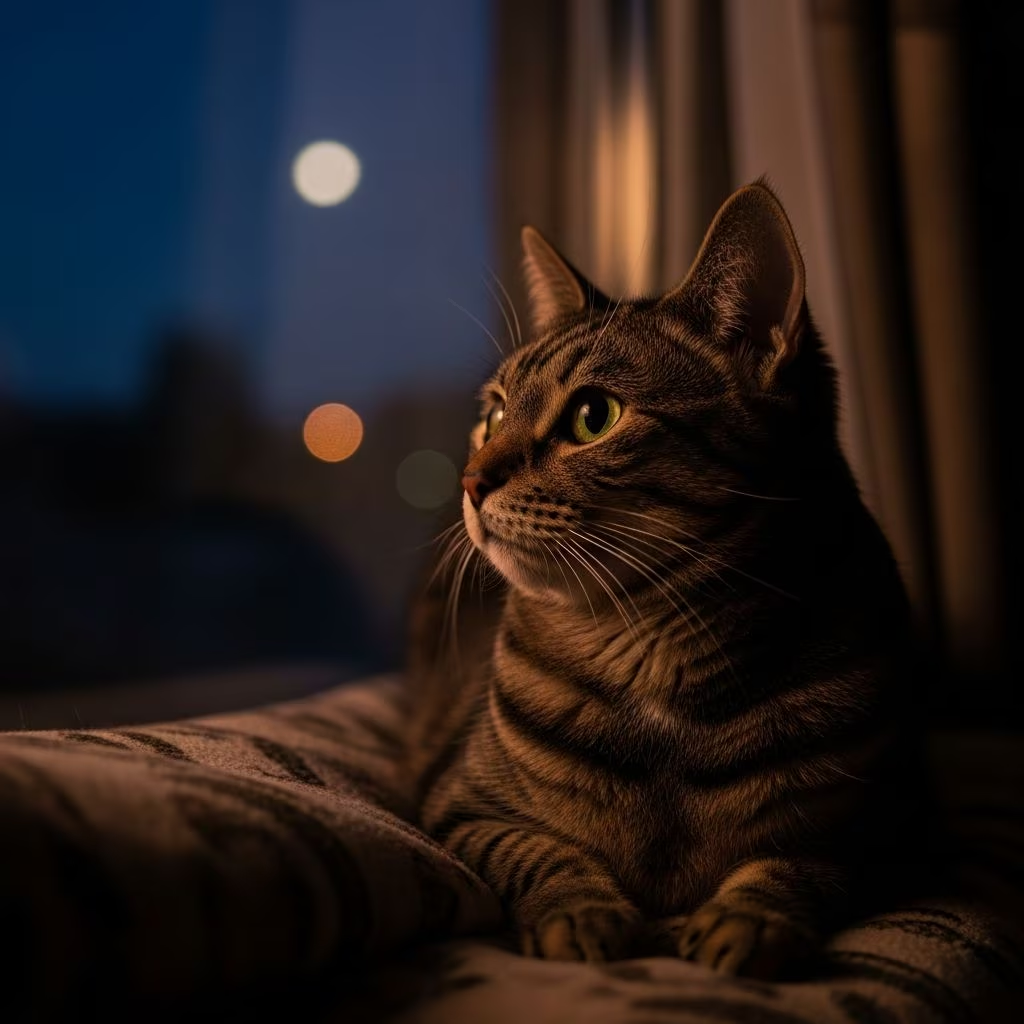
Are Cats Nocturnal? Understanding Your Cat’s Sleep Schedule
If you’ve ever been jolted awake at 3 a.m. by your cat racing through your bedroom or pouncing on your feet, you might assume cats are nocturnal creatures. However, this is one of the most common misconceptions about feline behavior. Despite their reputation as creatures of the night, domestic cats are not actually nocturnal—they are crepuscular.
Understanding the difference between nocturnal and crepuscular behavior is crucial for cat owners who want to better manage their pets’ activity levels and ensure everyone in the household gets quality sleep. Let’s explore what it truly means for your cat to be crepuscular and how this natural instinct impacts your daily life.
What Does Crepuscular Mean?
Crepuscular animals are those that are most active during twilight hours—specifically at dawn and dusk—rather than throughout the entire night or during daylight hours. The word “crepuscular” comes from the Latin word “crepusculum,” meaning twilight.
For cats, these twilight periods represent the optimal hunting times in nature. During these hours, their prey—such as birds, mice, insects, and small reptiles—are most active and searching for their own food. Cats have evolved exceptional vision in low-light conditions, allowing them to hunt effectively during these times when larger predators are less active.
This is fundamentally different from nocturnal animals, which are active throughout the night and sleep during the day. Nocturnal creatures like owls and raccoons have adapted to be awake and hunting all night long. Cats, on the other hand, actually spend most of the late-night hours sleeping unless they’re in a situation that prevents them from resting or feel unsafe.
Why Cats Are Crepuscular: The Evolutionary Advantage
The crepuscular nature of cats isn’t random—it’s a result of millions of years of evolution. In the wild, cats developed this behavior because it provides significant survival advantages.
Optimal Hunting Conditions: Dawn and dusk are when prey animals are most active. Birds wake up to forage in the early morning, and rodents emerge from their burrows during twilight hours to search for food. Cats have naturally synchronized their activity patterns to match these peak times, maximizing their hunting success rates.
Protection from Larger Predators: The twilight hours also offer protection from larger predators that hunt during full daylight or deep darkness. By being active during these transitional periods, cats avoid competition from lions, hyenas, and other large carnivores that have different activity schedules.
Enhanced Vision: Cats possess a unique adaptation called the tapetum lucidum—a reflective layer behind the retina that amplifies light and allows them to see six times better in low-light conditions than humans. This biological advantage makes twilight the perfect hunting window for felines.
Understanding Your Cat’s Sleep Patterns
Despite their reputation for nighttime activities, adult cats are actually champion sleepers. Most adult cats sleep between 12 to 18 hours per day, with some sleeping even more as they age. Older cats often sleep up to 20 hours daily, making them some of the sleepiest animals in the animal kingdom.
Interestingly, cats don’t all follow the same sleep schedule. Some adult cats sleep in predictable, consistent patterns, while others experience bursts of activity throughout the day and night. Additionally, research suggests that male cats tend to be more active throughout the day than female cats, though individual personality and environment also play significant roles.
It’s important to note that if your cat’s sleep patterns change suddenly or dramatically, you should consult with your veterinarian. Changes in sleep behavior can sometimes indicate underlying health issues or stress.
The “Night Crazies”: Why Your Cat Goes Wild at Bedtime
Many cat owners experience what’s commonly called the “night crazies” or “zoomies”—those explosive bursts of uncontrollable energy that often occur right when you’re settling down for bed. During these episodes, your cat might:
– Sprint wildly across furniture and floors
– Pounce on your feet or hands under the blankets
– Attack your ears or toes while you sleep
– Walk across your body repeatedly
– Produce loud vocalizations or yowling
– Engage in intense, aggressive play with toys
These behaviors are completely natural—they’re your cat’s way of expressing their crepuscular hunting instincts. During twilight hours (even indoors), cats experience surges of energy that their ancestors would have used for hunting expeditions.
Causes of Excessive Nighttime Activity in Cats
While some nighttime activity is completely normal and expected, excessive nocturnal behavior can indicate other issues beyond your cat’s natural instincts. Several factors can contribute to your cat being overly active at night:
Daytime Inactivity: Many indoor cats spend much of the day alone while their owners are at work or school. During these long hours of solitude, cats may sleep most of the day, storing up energy for nighttime activity. This reversal of the natural rhythm can lead to particularly hyperactive cats when you’re trying to sleep.
Boredom: If your cat lacks sufficient mental and physical stimulation during the day, they may seek entertainment and attention at night. Cats are social animals with complex cognitive needs. A bored cat is more likely to develop behavioral problems, including disruptive nighttime activity.
Hunger: Cats have natural instincts to hunt and feed during twilight hours. If your cat isn’t receiving adequate food or if their feeding schedule doesn’t align with their natural activity patterns, they may wake you up searching for food. Indoor cats often miss out on the full predatory cycle—the hunt followed by a meal and then sleep—which can affect their sleep-wake balance.
Insufficient Exercise: Young cats, in particular, have tremendous energy reserves. Without adequate physical activity during daytime hours, they accumulate excess energy that needs an outlet, often resulting in nighttime hyperactivity.
Age-Related Factors: Young kittens are naturally more energetic and playful, so nighttime activities are especially pronounced. Conversely, older cats may experience sleep disruptions due to age-related issues, pain, or cognitive decline.
Health and Behavioral Issues: Cats in heat may be more vocal and active at night. Additionally, stress, anxiety, or underlying medical conditions can disrupt normal sleep patterns. If your cat’s nighttime behavior seems unusual or concerning, consult your veterinarian.
What Cats Actually Do at Dawn and Dusk
Understanding what cats are naturally inclined to do during twilight hours can help you appreciate their behavior and work with their instincts rather than against them.
Hunting: Hunting is the primary activity cats engage in during dawn and dusk. They stalk birds, mice, insects, snakes, and lizards—whatever prey is available in their environment. Interestingly, studies show that even well-fed indoor cats retain strong hunting instincts and will hunt if given the opportunity. This isn’t about hunger; it’s an intrinsic behavioral need.
Exploration: The quieter nighttime hours provide cats with safer opportunities to explore their territory. There’s less human activity, fewer vehicles on the road, and fewer loud noises compared to daytime. This allows cats to map out their surroundings, discover new areas, and establish their territorial boundaries by leaving scent marks.
Social Interaction: Cats may seek mates during these hours or encounter other cats in the neighborhood. These social encounters are important for establishing territory and social hierarchies within their outdoor community.
Hiding and Resting: Sometimes cats use nighttime hours simply to find safe, quiet places to rest undisturbed. If there are multiple cats in the household or other pets, a cat might retreat outside at night to find a comfortable spot for an undisturbed sleep.
Strategies to Manage Nighttime Cat Behavior
If your cat’s nighttime activities are disrupting your sleep or causing problems, there are several evidence-based strategies you can implement:
Establish a Consistent Routine: Set regular feeding times, play sessions, and interaction schedules. Consistency helps regulate your cat’s internal clock and can shift their peak activity times to align better with your waking hours.
Schedule Vigorous Playtime Before Bedtime: Engage your cat in active, exhausting play sessions in the hours before you go to bed. This mimics the natural predatory cycle where hunting is followed by a meal and rest. Follow the play session with feeding to further encourage sleep afterward.
Provide Mental Stimulation: Puzzle feeders, interactive toys, and environmental enrichment during daytime hours can help tire your cat mentally, reducing nighttime energy surges.
Create Separate Play Zones: Designate specific areas for daytime play and activity, keeping your bedroom as a quiet, restful space separate from play areas.
Ignore Nighttime Attention-Seeking: If your cat is vocalizing or disturbing you at night seeking attention, resist the urge to reward this behavior with food, petting, or interaction. Inadvertently rewarding nighttime activity reinforces the behavior.
Store Toys Away at Night: Remove toys from sight before bedtime to eliminate temptations for play and to signal that nighttime is rest time.
Environmental Considerations: Ensure your cat has a comfortable, safe sleeping area indoors. Provide window perches during daytime for visual stimulation while you’re away, and consider using calming aids if your cat experiences anxiety.
Understanding the Predatory Cycle
One key concept in managing indoor cat behavior is understanding the natural predatory cycle. In the wild, cats follow a predictable pattern: hunt (exerting short bursts of energy), catch and consume prey (a meal), rest and digest (sleep), then repeat. This cycle is hardwired into feline biology.
Indoor cats often experience only partial versions of this cycle. They may play intensely but then be offered meals at human-convenient times rather than immediately after activity. This disruption can contribute to irregular sleep-wake patterns. By mimicking the natural cycle—vigorous play followed immediately by feeding—you can help reset your indoor cat’s rhythm to be more aligned with your household’s schedule.
When to Consult a Veterinarian
While nighttime activity is normal for crepuscular cats, sudden changes in behavior warrant professional evaluation. Contact your veterinarian if:
– Your cat’s sleep patterns change dramatically
– Nighttime vocalization becomes excessive or distressing
– Your cat seems confused or disoriented at night
– Nighttime hyperactivity develops in older cats
– Your cat appears to be in pain or discomfort
– The behavior develops suddenly without obvious environmental changes
These changes could indicate medical issues, cognitive dysfunction, or other health concerns that require professional assessment.
Frequently Asked Questions
Q: Are all cats crepuscular?
A: Most domestic cats exhibit crepuscular behavior due to evolutionary adaptation, though individual cats may vary. Some cats are more flexible in their activity patterns, especially if they’re adapted to living with humans who have different schedules. However, the underlying crepuscular instinct remains strong.
Q: Can I change my cat’s sleep schedule?
A: You can influence your cat’s activity patterns through consistent routines, scheduled playtime, and feeding times. However, you’re working with their natural instincts rather than completely changing them. The goal is typically to manage peak activity times rather than eliminate crepuscular behavior entirely.
Q: How many hours should my cat sleep?
A: Adult cats typically sleep 12-18 hours per day, while senior cats may sleep up to 20 hours. The exact amount varies by individual, but if your cat is sleeping significantly less or more than these ranges, consult your veterinarian.
Q: Is it cruel to keep my cat indoors?
A: Indoor cats can live perfectly healthy, happy lives when provided with adequate mental and physical stimulation, proper environmental enrichment, and regular interaction. Many veterinarians recommend indoor living due to safety concerns, disease risk, and reduced lifespan for outdoor cats.
Q: Why does my cat suddenly become active when I’m trying to sleep?
A: This typically occurs because your activity level decreases at night, and your cat interprets this as an ideal time for play and interaction. Your movement in bed can also trigger their hunting instincts. Establishing a bedtime routine that includes active play before you sleep can help redirect this energy.
References
- Nighttime Activity in Cats — WebMD Pets. Accessed 2025-11-28. https://www.webmd.com/pets/cats/nighttime-activity-cats
- Nocturnal Behavior in Cats — San Francisco SPCA. Accessed 2025-11-28. https://www.sfspca.org/resource/nocturnal-behavior/
- Are Cats Nocturnal? — Zoetis Pet Care. Accessed 2025-11-28. https://www.zoetispetcare.com/blog/article/are-cats-nocturnal
- What Cats Do When They’re Out at Night — Preventive Vet. Accessed 2025-11-28. https://www.preventivevet.com/cats/cat-behaviors-at-night
- Cat Behavior Problems – Nocturnal Activity — VCA Animal Hospitals. Accessed 2025-11-28. https://vcahospitals.com/know-your-pet/cat-behavior-problems—nocturnal-activity
- Are Cats Nocturnal? — PetMD. Accessed 2025-11-28. https://www.petmd.com/cat/general-health/are-cats-nocturnal
- Nocturnal Cats – Dealing with Nighttime Troublemakers — PAWS. Accessed 2025-11-28. https://www.paws.org/resources/nocturnal-problems/



