

Are Cats Lactose Intolerant?
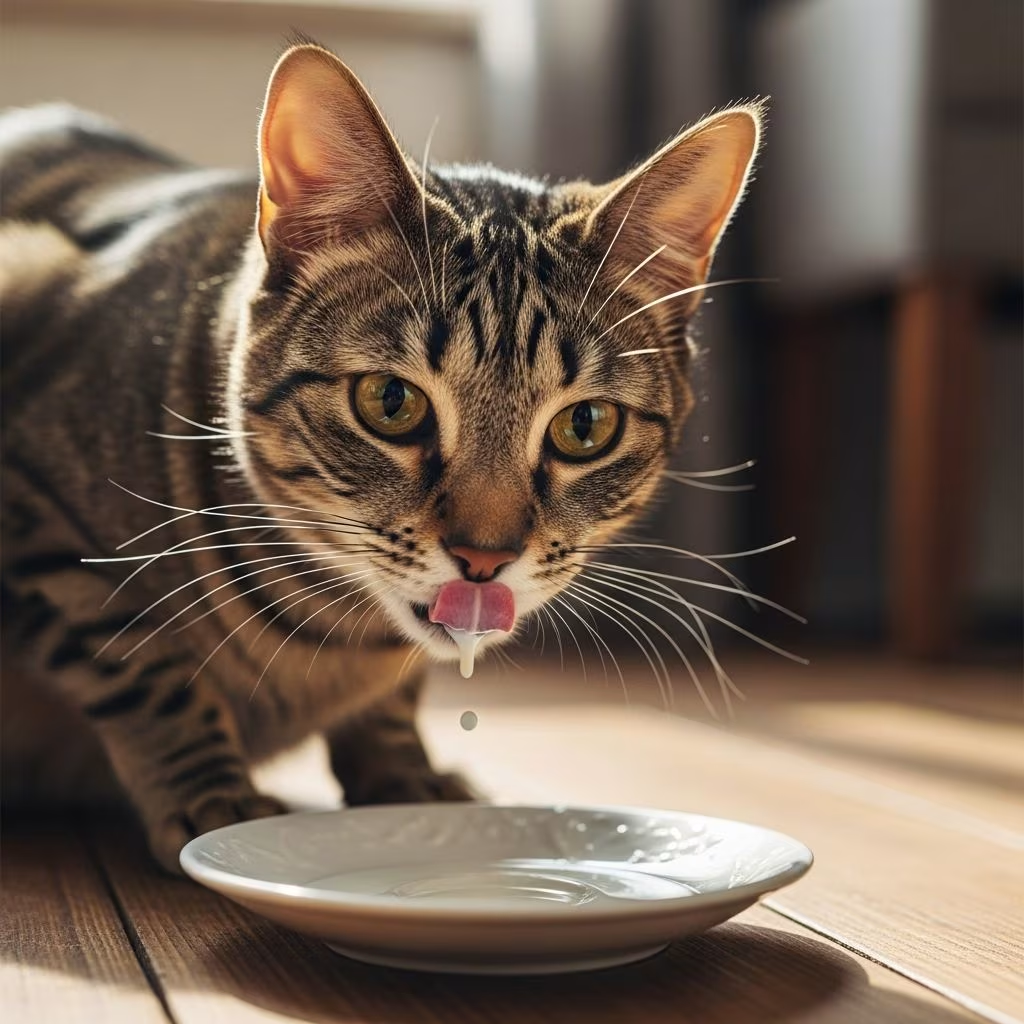
The image of a contented cat lapping milk from a saucer is a classic one in popular culture, but this charming picture doesn’t reflect reality for most feline companions. The truth is that the vast majority of adult cats are lactose intolerant, and feeding them cow’s milk can lead to digestive distress and discomfort. Understanding why cats cannot properly digest milk is essential for any responsible pet owner who wants to keep their furry friend healthy and happy.
Understanding Cat Lactose Intolerance
Lactose intolerance in cats is a natural biological process that occurs as they mature. When kittens are born, they possess the enzyme lactase, which enables them to break down lactose—the primary sugar found in their mother’s milk. This enzyme is crucial during the nursing period, allowing young cats to digest the nutrients they need for growth and development. However, as cats age and are weaned from their mother, their bodies naturally produce less and less lactase.
By the time a cat reaches adulthood, lactase production typically ceases almost entirely or drops to minimal levels. This happens because in the wild, adult cats would never consume milk—their natural diet consists of prey animals. Since milk consumption is not part of a cat’s evolutionary dietary pattern, their bodies stop producing the enzyme needed to process it.
The Science Behind Lactose Intolerance in Cats
When an adult cat consumes milk or dairy products without sufficient lactase to break down the lactose, the undigested lactose remains in the digestive system. This creates a cascade of uncomfortable digestive processes. The undigested lactose molecules draw water into the intestines through osmosis, which can lead to loose stools and diarrhea. Additionally, bacteria in the colon ferment the undigested lactose, producing volatile fatty acids and gases that cause bloating, flatulence, and abdominal discomfort.
Most cats will begin experiencing symptoms of lactose intolerance within 8 to 12 hours after consuming dairy products. The severity of symptoms can vary depending on the amount of lactose consumed and the individual cat’s sensitivity level.
Common Symptoms of Lactose Intolerance in Cats
Pet owners should be aware of the following symptoms that may indicate their cat has consumed dairy or is experiencing lactose intolerance:
– Diarrhea- Vomiting- Abdominal pain or cramping- Excessive gas or flatulence- Bloating- Loss of appetite- Lethargy or decreased activity levels- Dehydration
If your cat exhibits any of these symptoms after consuming milk or dairy products, it’s important to contact your veterinarian. While most cases of mild lactose intolerance resolve on their own within a day or two, severe cases may require veterinary attention to prevent dehydration and more serious complications.
Why Are Cats Drawn to Milk?
Despite their inability to digest milk properly, many cats seem attracted to dairy products. This attraction is primarily driven by the high fat content in milk and cream rather than any nutritional need for lactose. Cats have taste receptors that are particularly sensitive to fats, and they find the rich, creamy texture appealing. Fresh cow’s milk, in particular, can be especially attractive to cats because of its fresh fat content.
The irony is that while cats find milk tempting, consuming it causes them gastrointestinal distress. Just because a cat wants to drink milk doesn’t mean it’s safe or healthy for them to do so.
The Myth of Adult Cat Milk
Pet stores sell specially formulated adult cat milk that is marketed as lactose-free and safe for cats. While these products are indeed safe alternatives to regular cow’s milk, they are not essential for most cats. A balanced diet formulated for feline nutritional needs will provide all the nutrients your cat requires. Commercial cat milk products are expensive and unnecessary for the vast majority of healthy adult cats.
Safe Alternatives to Cow’s Milk
If you want to give your cat a special treat or additional liquid in their diet, there are several safe alternatives to consider:
Water
Plain, fresh water is always the best choice for cats. Ensure your cat has access to clean water throughout the day. Some cats prefer running water, so a cat water fountain may encourage them to drink more.
Lactose-Free Cat Milk
If you specifically want to offer a milk-like treat, lactose-free cat milk formulated for feline consumption is a safe option, though it’s not necessary for most cats.
Bone Broth
Unsalted, unseasoned bone broth (free from onions, garlic, and other harmful ingredients) can be a nutritious and appealing treat for cats.
Wet Cat Food
High-quality wet cat food designed for feline nutrition provides hydration and essential nutrients without the digestive issues associated with dairy.
Specially Formulated Treats
Many pet food companies offer treats specifically designed for cats that provide nutritional value and satisfy the desire for a special snack.
Individual Variation in Lactose Tolerance
While most adult cats are lactose intolerant, there is some individual variation in the degree of intolerance. Some cats may tolerate very small amounts of lactose—approximately 1.3 grams per kilogram of body weight—without experiencing severe symptoms. However, the average lactose content in cow’s milk is approximately 4.62 grams per 100 milliliters, which exceeds the tolerance level for most cats.
The key indicator of whether your specific cat can tolerate dairy is the state of their stools. If your cat develops diarrhea after consuming milk, this is a clear sign that they should avoid dairy products entirely.
Long-Term Health Consequences of Regular Dairy Consumption
Occasionally giving a cat a tiny taste of milk may not cause serious harm, but regular consumption of dairy products can lead to chronic health problems. Cats that consume milk regularly may develop chronic gastrointestinal issues including:
– Chronic diarrhea or loose stools- Colitis (inflammation of the colon)- Irritable bowel syndrome- Malabsorption issues- Pancreatitis- Liver complications
Additionally, regular consumption of cow’s milk provides inadequate levels of taurine, an essential amino acid that cats require for heart and eye health. Deficiency in taurine can lead to serious conditions including dilated cardiomyopathy (heart disease) and retinal degeneration (potentially causing blindness).
What About Kittens and Milk?
Even though kittens can initially digest milk from their mother, it’s important not to feed kittens regular cow’s milk as a substitute for mother’s milk or kitten formula. If a kitten has been separated from its mother before weaning, it should be fed commercial kitten formula specifically designed to meet their nutritional needs. Cow’s milk lacks the proper balance of nutrients, particularly taurine, that growing kittens require.
After weaning (typically around 8-10 weeks of age), kittens begin to naturally produce less lactase and should be transitioned to high-quality kitten food and water.
Understanding Dairy Products Beyond Milk
Pet owners should be aware that lactose intolerance in cats isn’t limited to liquid milk. Other dairy products can also cause problems:
– Cheese- Yogurt- Ice cream- Butter- Cream- Milk-based desserts- Pizza with cheese- Other foods containing dairy ingredients
While some fermented dairy products like aged cheese contain less lactose than fresh milk, it’s still best to avoid feeding these to your cat to prevent digestive upset.
Signs You Should Contact Your Veterinarian
Most cases of mild lactose intolerance in cats resolve on their own within 24 hours. However, contact your veterinarian if:
– Your cat shows severe symptoms of vomiting or diarrhea- Symptoms persist for more than 48 hours- Your cat shows signs of dehydration (dry mouth, sunken eyes, lethargy)- Your cat refuses to eat after the incident- You’re concerned about your cat’s digestive health- Your cat accidentally consumed a large amount of dairy
Your veterinarian can provide supportive care if needed and ensure that no other underlying conditions are contributing to your cat’s digestive upset.
Frequently Asked Questions About Cat Lactose Intolerance
Q: Can cats ever safely drink regular cow’s milk?
A: Most adult cats should avoid regular cow’s milk entirely due to lactose intolerance. While some cats may tolerate very small amounts without severe symptoms, the risk of digestive upset is generally not worth the potential benefit. Water and specially formulated cat food are healthier choices.
Q: Is lactose-free milk a good option for cats?
A: Lactose-free cat milk is safe but not essential for most cats. It can be used occasionally as a treat, but a balanced diet of quality cat food and fresh water provides all the nutrition your cat needs.
Q: How long after drinking milk will my cat show symptoms?
A: Most cats will begin showing symptoms of lactose intolerance within 8 to 12 hours after consuming dairy products. Symptoms may include diarrhea, vomiting, abdominal discomfort, and gas.
Q: What should I do if my cat accidentally drinks milk?
A: Monitor your cat for symptoms over the next 8-12 hours. Most cases resolve without intervention. Ensure your cat has access to water and continues eating normally. Contact your veterinarian if symptoms are severe or persist beyond 24-48 hours.
Q: Are some cats less lactose intolerant than others?
A: Yes, there is individual variation in lactose tolerance among cats. Some cats may tolerate small amounts better than others, but the majority are significantly intolerant. The best way to determine your cat’s tolerance is to observe their reaction to dairy products.
Q: What’s the best way to give my cat a special treat?
A: Consider offering cat-specific treats, small amounts of high-quality wet food, cooked chicken (without seasoning), or other feline-safe foods. These options provide variety and satisfaction without the digestive risks associated with dairy.
Q: Do cats need any dairy in their diet?
A: No, adult cats do not require dairy products in their diet. All essential nutrients can be obtained from high-quality commercial cat food and water. Dairy is not a necessary component of feline nutrition.
Conclusion
Understanding that most cats are lactose intolerant is crucial for responsible pet ownership. While the image of a cat enjoying a saucer of milk is appealing, the reality is that this can cause unnecessary digestive distress and long-term health problems for your feline companion. Instead of offering milk, focus on providing your cat with fresh water, high-quality cat food formulated for their specific life stage and health needs, and cat-safe treats. By making informed choices about your cat’s diet, you can help ensure that your beloved pet enjoys a healthy, comfortable life free from preventable digestive issues. When in doubt about your cat’s diet or nutritional needs, consult with your veterinarian for personalized guidance based on your individual cat’s age, health status, and dietary requirements.
References
- Are Cats Lactose Intolerant? — Zoetis Petcare. 2024. https://www.zoetispetcare.com/blog/article/are-cats-lactose-intolerant
- Why Cats and Cow’s Milk Don’t Mix — Lombard Veterinary Hospital. 2024. https://www.lombardvet.com/services/cats/blog/why-cats-and-cows-milk-dont-mix
- Can Cats Drink Milk? The Truth About Feline Lactose Intolerance — PetsCare. 2024. https://www.petscare.com/news/post/can-cats-drink-milk
- Milk Is Not Good for Cats — FOUR PAWS International. 2024. https://www.four-paws.org/our-stories/publications-guides/milk-is-not-good-for-cats
- Why can’t cats drink milk? Plus 6 other feline myths — Science Focus. 2024. https://www.sciencefocus.com/nature/why-cant-cats-drink-milk-plus-6-other-feline-myths
- The Truth About Cats And Milk — Hill’s Pet Nutrition. 2024. https://www.hillspet.com.au/cat-care/nutrition-feeding/is-milk-good-for-cats
- Cats can drink cow’s milk, TRUE or FALSE? — Chaire bien-être animal. 2024. https://chaire-bea.vetagro-sup.fr/en/cats-can-drink-cows-milk-true-or-false/



