

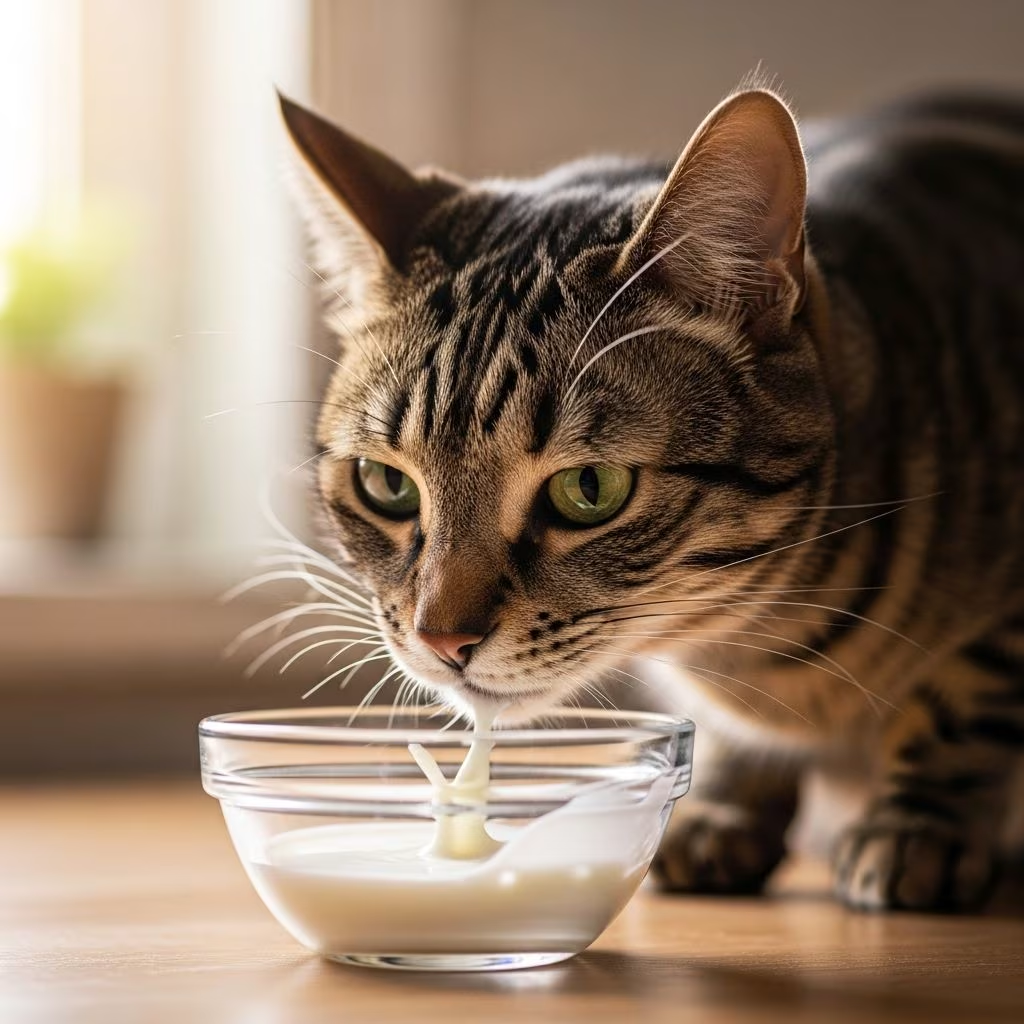
Yes, the majority of adult cats are lactose intolerant, meaning they lack sufficient lactase enzyme to digest the lactose sugar in dairy products effectively. This condition arises naturally after weaning, when lactase production declines sharply, turning milk from a kittenhood staple into a potential digestive disruptor for grown cats.
The Science Behind Feline Lactose Intolerance
Newborn kittens rely on their mother’s milk, which contains lactose as a primary energy source. At this stage, their small intestines produce ample lactase, the enzyme that breaks down lactose into absorbable glucose and galactose. Weaning typically occurs around 8 weeks, after which lactase levels drop dramatically in most cats—often ceasing production entirely by the first year of life.
This evolutionary adaptation suits cats’ obligate carnivore biology, where post-weaning diets shift to meat-based nutrition low in carbohydrates like lactose. When adult cats consume dairy, undigested lactose lingers in the gut, fermenting via bacterial action. This process draws water into the intestines (osmotic effect) and generates gas, volatile fatty acids, and discomfort.
Studies confirm this prevalence: veterinary sources estimate most adult cats exhibit some degree of intolerance, though exact percentages vary since not all show severe reactions. A clinical observation of 181 cats consuming cow’s milk regularly revealed worsening symptoms over months, underscoring the risks of habitual dairy feeding.
Recognizing Symptoms of Dairy Sensitivity in Cats
Signs of lactose intolerance typically emerge 8-12 hours post-consumption, allowing time for fermentation. Common manifestations include:
- Diarrhea: Loose, watery stools due to osmotic pull of water into the colon.
- Vomiting: Often a response to gastric irritation from undigested sugars.
- Bloating and gas: Fermentation produces painful flatulence and abdominal distension.
- Lethargy and appetite loss: Secondary to discomfort, potentially leading to dehydration.
Chronic exposure exacerbates issues. In one study, daily milk intake over three months progressed from transient upset to acute gastroenteritis, colitis, irritable bowel syndrome, and even hepatic lipidosis in older cats—marked by jaundice, dark urine, and cardiac irregularities. Cats with allergic histories showed heightened vulnerability, with ultrasound detecting enlarged lymph nodes and pancreatic inflammation.
Why Cow’s Milk Poses Unique Risks
Cow’s milk compounds problems beyond lactose: it boasts higher lactose (4-5%) and casein levels than feline milk, overwhelming immature or deficient digestive systems. Pasteurization kills bacteria but leaves lactose intact, offering no relief. Nutritionally, it provides minimal taurine—vital for feline heart and eye health—while disrupting overall protein absorption.
| Dairy Type | Lactose Content | Suitability for Adult Cats |
|---|---|---|
| Cow’s Milk | High (4.8%) | Poor; causes fermentation and diarrhea |
| Cat Mother’s Milk | Lower | Ideal for kittens only; unavailable post-weaning |
| Goat’s Milk | Moderate (4.1%) | Still risky; similar intolerance issues |
| Lactose-Free Milk | Negligible | Occasional treat option |
Kittens vs. Adults: A Developmental Divide
Kittens thrive on maternal milk or substitutes until 8-10 weeks, when lactase persists. Post-weaning, enzyme decline mirrors human lactase non-persistence, a normal mammalian trait. Offering cow’s milk to weanlings risks early intolerance, as levels don’t match. Transition to solid, lactose-free kitten food supports healthy gut maturation.
Safe Dairy Alternatives and Hydration Strategies
Water remains the gold standard for feline hydration; cats’ poor thirst drive necessitates fresh sources like fountains. For treats, opt for:
- Lactose-free cat milk: Commercially formulated with reduced sugars, safe sporadically.
- Yogurt or kefir: Fermented products with lower lactose, but portion-control essential.
- Cheese in moderation: Hard varieties have less lactose; monitor reactions.
- Commercial wet food: High-moisture, nutritionally complete without dairy risks.
Veterinarians advise against routine dairy, even tolerated amounts, due to zero nutritional upside and upset potential. In lactose-free trials, symptomatic cats recovered within 3-6 weeks.
Long-Term Health Implications of Dairy Feeding
Persistent lactose challenges impair nutrient uptake, fostering malnutrition, weight loss, and immune suppression—evidenced by lowered monocytes in milk-fed cats. Gastrointestinal inflammation evolves into chronic conditions like enteritis or colitis, with blood-streaked stools and pain. Liver strain from lipidosis poses life-threatening risks in seniors.
Preventive exclusion of dairy preserves gut integrity, aligning with cats’ meat-centric needs. Owners noting preferences for milk should redirect to taurine-rich meats or vet-formulated toppers.
FAQs on Cats and Dairy
Can all cats tolerate some milk?
No, while exceptions exist, most adults cannot; tolerance is rare.
Is lactose intolerance curable?
It’s physiological, not pathological—no cure, but avoidance resolves symptoms.
What if my cat loves milk?
Switch to lactose-free alternatives; their affection doesn’t override biology.
How much dairy is safe occasionally?
Minimal amounts for tolerant cats, but abstinence is safest.
Does breed affect intolerance?
No universal data; individual variation prevails.
Expert Tips for Optimal Feline Nutrition
Consult vets for tailored diets, especially with history of GI issues. Monitor stools post-novel foods; probiotics may aid mild cases but don’t counter lactose. Prioritize AAFCO-approved foods ensuring taurine sufficiency.
References
- Are Cats Lactose Intolerant? — Zoetis Petcare. 2023. https://www.zoetispetcare.com/blog/article/are-cats-lactose-intolerant
- The Truth About Cats and Milk — Dixie Road Pet Clinic. 2023. https://dixieroadpet.com/cats-milk/
- Why Cats and Cow’s Milk Don’t Mix — Belton Veterinary Clinic. 2023. https://www.beltonvetclinic.com/services/cats/blog/why-cats-and-cows-milk-dont-mix
- Are Cats Lactose Intolerant? Can Cats Drink Milk? — Chewy. 2023. https://www.chewy.com/education/cat/health-and-wellness/are-cats-lactose-intolerant
- Clinical and Morphological Manifestations of Disorders of the Gastrointestinal Tract of Cats with Regular Consumption of Lactose — Biotech Asia. 2019-12-31. https://www.biotech-asia.org/vol16no4/clinical-and-morphological-manifestations-of-disorders-of-the-gastrointestinal-tract-of-cats-with-regular-consumption-of-lactose/
- Cats and Dairy — Smyrna Animal Hospital. 2016-01-15. https://www.smyrnaveterinary.com/2016/01/15/marietta-ga-vet-cats-dairy/
- Cats and Milk: Lactose Intolerance and Other Dietary Concerns — WebMD. 2023. https://www.webmd.com/pets/cats/features/cats-and-dairy-get-the-facts



