

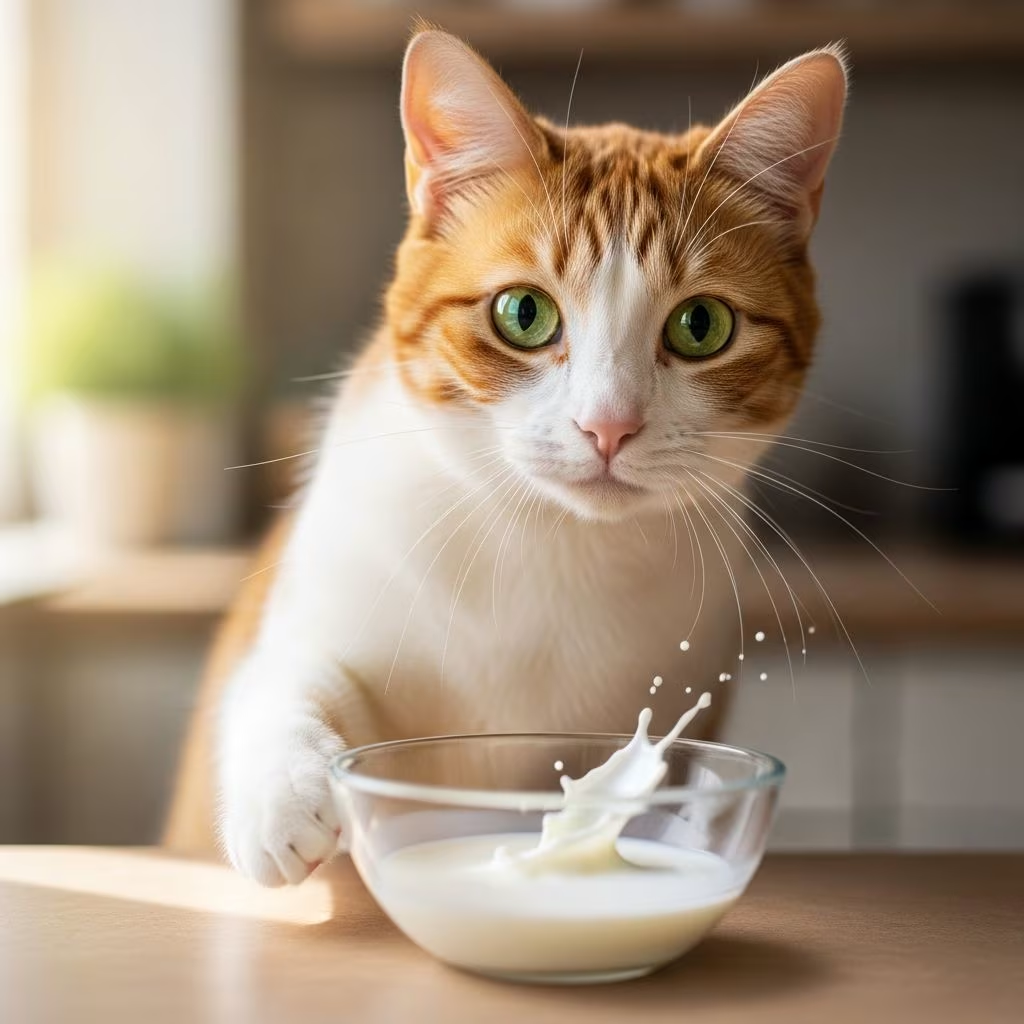
The image of a cat lapping up a saucer of milk is iconic, but is it safe? Most adult cats are indeed lactose intolerant, meaning they struggle to digest the sugar in dairy products. This common condition stems from a natural decline in the enzyme lactase after kittenhood, leading to potential gastrointestinal distress if they consume milk or cheese.
The Science Behind Feline Lactose Intolerance
Lactose, the primary sugar in milk, requires the enzyme lactase to break down into simpler sugars for absorption in the small intestine. Kittens produce ample lactase to digest their mother’s milk, which provides crucial energy and nutrients during early development. However, as they wean onto solid food around 4-8 weeks of age, lactase production sharply decreases.
By adulthood, many cats produce little to no lactase, rendering them unable to process lactose effectively. Undigested lactose then travels to the large intestine, where gut bacteria ferment it, producing gas, acids, and drawing water into the bowel. This osmotic effect results in diarrhea, bloating, and discomfort. Studies indicate that while not all cats react identically, the majority show intolerance, with tolerance thresholds around 1.3g of lactose per kg of body weight before symptoms appear.
Why Kittens Differ from Adult Cats
Newborn kittens rely on their mother’s milk, rich in lactose tailored to their high lactase levels. This milk supports rapid growth, immune function, and gut health. Weaning typically begins at 3-4 weeks, with full transition by 6-8 weeks, coinciding with declining lactase.
- Neonatal phase (0-4 weeks): High lactase activity; milk is essential.
- Weaning (4-8 weeks): Lactase drops; introduce solids.
- Adulthood: Minimal lactase; dairy often problematic.
This evolutionary adaptation suits cats’ carnivorous diets, as wild felines rarely encounter milk post-weaning.
Recognizing Symptoms of Dairy Intolerance
Signs of lactose intolerance in cats usually emerge 8-12 hours after dairy consumption, though some appear within 30 minutes to a few hours depending on amount ingested and individual sensitivity.
| Symptom | Description | Onset Time |
|---|---|---|
| Diarrhea | Loose, watery stools due to water drawn into intestines | 8-12 hours |
| Vomiting | Regurgitation or stomach upset | 30 min-12 hours |
| Gas/Bloating | Flatulence and abdominal distension from fermentation | Hours after ingestion |
| Lethargy | Reduced activity from discomfort | Concurrent with GI issues |
| Appetite Loss | Refusal of food due to nausea | Variable |
Severe or repeated episodes can lead to dehydration, requiring veterinary intervention. Monitor litter box habits and behavior post-dairy exposure.
Debunking the Milk Myth: Culture vs. Biology
The ‘cat and milk’ trope persists in cartoons and folklore, but veterinary experts unanimously advise against it. Cow’s milk, commonly offered, contains higher lactose (about 4.6g/100ml) than many cats can tolerate— a 3.5kg cat might handle 100ml max without issues, but smaller amounts still risk upset. Pasteurization kills bacteria but doesn’t reduce lactose.
Even cheese or cream, appearing in treats, ferments similarly. A small lick might not harm, but regular feeding invites chronic problems like weight gain or nutrient malabsorption.
Safe and Healthy Alternatives to Dairy
Skip milk; opt for cat-specific options to indulge your pet safely.
- Lactose-free cat milk: Commercially available, formulated without lactose or with added lactase.
- Water or broth: Enhances hydration; low-sodium chicken broth appeals to taste buds.
- Commercial treats: Fish-flavored or meat-based; check for dairy-free labels.
- High-quality wet food: Moisture-rich, mimics milk’s appeal without sugars.
- Freeze-dried meats: Pure protein treats for palatability without fillers.
A balanced commercial diet meets all nutritional needs; treats should comprise less than 10% of calories.
Individual Variations in Cat Tolerance
Not every cat reacts dramatically—some tolerate tiny dairy amounts due to residual lactase or gut flora differences. Breeds like Siamese may show higher sensitivity, but test cautiously: offer a teaspoon, observe 24 hours. Older cats or those with health issues (e.g., IBD) face amplified risks.
If diarrhea follows, discontinue and consult a vet to rule out allergies or other conditions.
Nutritional Essentials for Adult Cats
Cats are obligate carnivores needing taurine, arachidonic acid, and precise protein/fat ratios—absent in dairy-heavy diets. Prioritize AAFCO-approved kibble/wet food for complete nutrition. Hydration is key; fountains encourage drinking over milk-seeking behavior.
Veterinary Perspectives and Research Insights
Organizations like Cornell’s College of Veterinary Medicine confirm fermentation of undigested lactose causes volatile fatty acids and osmotic diarrhea. A 1990s study pegged tolerance at low doses, but modern advice errs conservative. Recent reviews (post-2020) reinforce: dairy’s appeal is sensory, not nutritional.
FAQs: Cats and Dairy Dilemmas
Can a little milk hurt my cat?
Occasional small amounts may pass unnoticed, but risks outweigh rewards for most.
What if my cat loves milk and shows no symptoms?
They might tolerate it minimally, but silent damage like bloating can occur. Switch to alternatives.
Is goat’s milk better for cats?
It has less lactose but still enough to bother intolerant cats; not vet-recommended.
How do I wean kittens properly?
Gradually introduce solids from 4 weeks; by 8 weeks, fully transitioned. Use kitten formula if needed.
Can lactose intolerance be treated?
No cure, but avoidance prevents issues. Probiotics may aid mild cases, per vet advice.
Preventing Digestive Drama in Your Feline Friend
Proactive care keeps cats thriving: regular vet checkups, quality diet, and no dairy. Educate family on myths to avoid accidental exposure. With the right choices, your cat enjoys treats without tummy aches.
References
- Are Cats Lactose Intolerant? — Zoetis Petcare. 2021-05-20. https://www.zoetispetcare.com/blog/article/are-cats-lactose-intolerant
- The Truth About Cats and Milk — Dixie Road Pet Clinic. Accessed 2026. https://dixieroadpet.com/cats-milk/
- Why Cats and Cow’s Milk Don’t Mix — Lombard Veterinary Hospital. Accessed 2026. https://www.lombardvet.com/services/cats/blog/why-cats-and-cows-milk-dont-mix
- Cats can drink cow’s milk, TRUE or FALSE? — Chaire bien-être animal, VetAgro Sup. Accessed 2026. https://chaire-bea.vetagro-sup.fr/en/cats-can-drink-cows-milk-true-or-false/
- Cats and Milk: Lactose Intolerance and Other Dietary Concerns — WebMD Pets. Accessed 2026. https://www.webmd.com/pets/cats/features/cats-and-dairy-get-the-facts
- Are cats lactose intolerant? — Cats Protection. Accessed 2026. https://www.cats.org.uk/cats-blog/are-cats-lactose-intolerant
- Milk Is Not Good for Cats — FOUR PAWS International. Accessed 2026. https://www.four-paws.org/our-stories/publications-guides/milk-is-not-good-for-cats



