

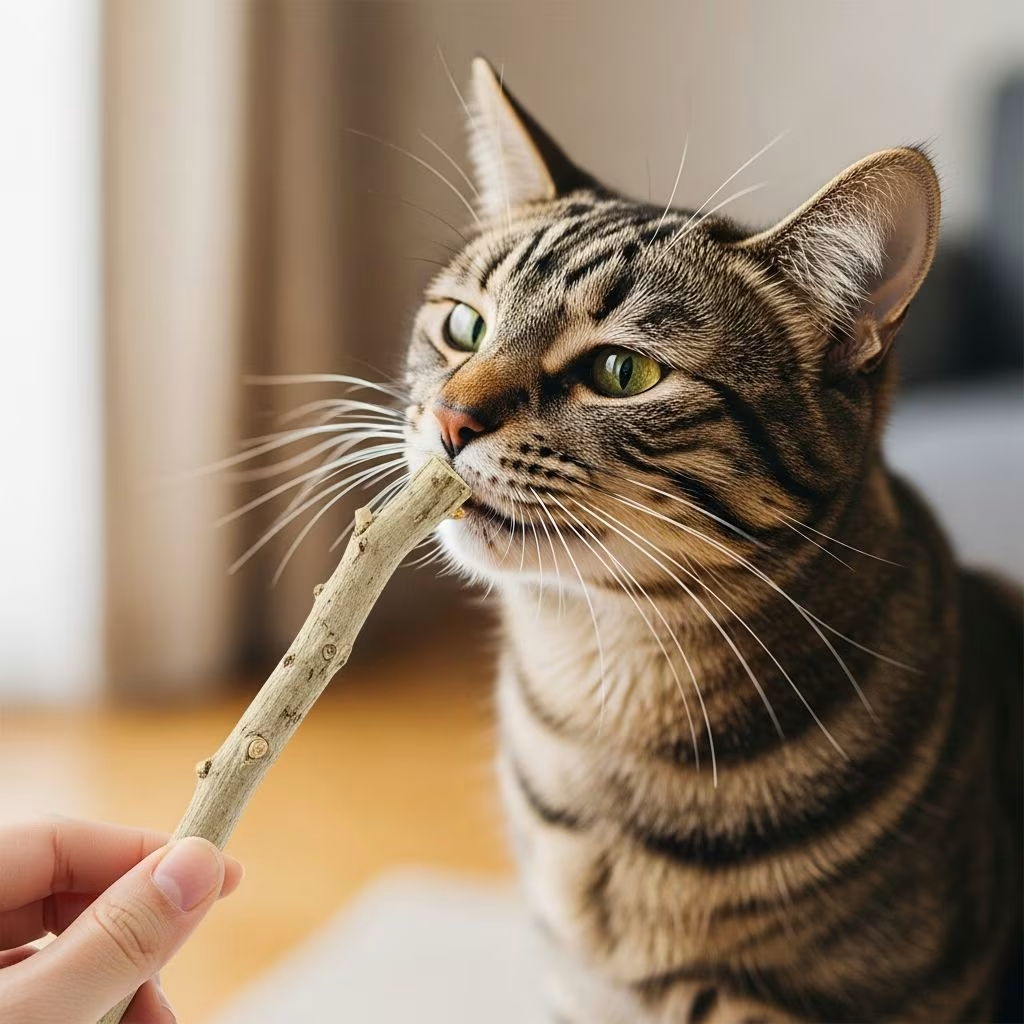
Catnip sticks offer a fun, natural way to enrich your cat’s life, but many pet owners wonder about their safety. These treats, often made from catnip or silvervine stems, are **non-toxic and safe for cats** when given in moderation and supervised properly. They provide sensory stimulation through compounds like nepetalactone, leading to playful or relaxing behaviors without long-term harm.
This comprehensive guide dives into the science behind catnip sticks, their benefits, potential risks, suitability for kittens, and best practices for use. Whether your cat responds to catnip or prefers silvervine, understanding these details ensures safe enjoyment.
What Are Catnip Sticks?
Catnip sticks are chewable treats derived from the **Nepeta cataria** plant, commonly known as catnip, or alternatives like silvervine (Actinidia polygama). They resemble thin, woody stems filled with potent aromatic compounds that trigger euphoric responses in sensitive cats.
The active ingredient in catnip is **nepetalactone**, a volatile oil released when cats chew, rub, or sniff the sticks. This compound binds to olfactory receptors, mimicking feline pheromones and eliciting behaviors like rolling, purring, head shaking, and energetic zooming. Silvervine sticks contain similar attractants such as actinidine, iridomyrmecin, and isodihydronepetalactone, making them ideal for the 30-50% of cats unresponsive to catnip.
These sticks are popular for their durability, providing long-lasting entertainment compared to loose catnip, which loses potency quickly. Manufacturers often source them from wild, organic plants, ensuring natural appeal without additives.
Why Do Cats Love Chewing Catnip Sticks?
Cats find catnip sticks irresistible due to the sensory pleasure they provide. When chewed, the fragile plant bulbs rupture, releasing nepetalactone that stimulates the cat’s vomeronasal organ—their pheromone detector. This creates a burst of excitement, relaxation, or even heat-like behaviors such as vocalizing, licking, and rubbing.
Nepetalactone evolved as a plant defense against aphids, mimicking insect sex pheromones to repel them. For cats, it offers harmless olfactory enrichment, satisfying natural instincts in indoor environments. Behaviors vary: some cats become hyperactive, batting and chasing the stick, while others melt into contentment, drooling and flopping over.
Silvervine provides a comparable high, often stronger and longer-lasting. Studies from Tufts University indicate 80% of cats respond to silvervine versus 66-70% for catnip, making it a versatile option. Chewing also taps into destructive chewing urges, redirecting them from furniture to appropriate outlets.
Are Catnip Sticks Safe for Cats?
**Yes, catnip and silvervine sticks are non-toxic and safe** for cats when used correctly. The ASPCA confirms catnip poses no toxicity risk, and veterinary sources like PetMD endorse silvervine similarly. Cats can chew them freely under supervision, experiencing temporary mood boosts without addiction or dependency.
However, safety hinges on moderation and oversight. Key risks include:
- Choking hazard: Swallowing large chunks can block airways or intestines.
- Mouth/throat injury: Splintered pieces may cut gums, teeth, or throats.
- GI upset: Overindulgence might cause vomiting or diarrhea, though rare and short-lived.
Supervise all sessions, remove frayed sticks, and limit to 10-15 minutes. No evidence suggests long-term health issues from proper use.
Is It Safe to Give My Cat Catnip Sticks Daily?
Daily use is safe but not recommended. Veterinarians advise **1-2 sessions per week** to prevent tolerance, where cats become desensitized to nepetalactone after 10-15 minutes of exposure. Spacing sessions maintains the ‘high’s’ novelty.
Daily treats during play or training are fine occasionally, but overexposure dulls effects. Rotate with other toys for balanced enrichment. Always supervise to mitigate splinter risks—discard if sticks sharpen or break.
For multi-cat homes, individual sticks prevent competition and ensure fair access.
Catnip Sticks for Kittens: What to Know
Kittens under 6-8 months often lack sensitivity to catnip or silvervine, as the response is genetic and matures around 6 weeks to 6 months. Once responsive, **catnip sticks are safe for kittens** in moderation during supervised play.
Benefits include stress relief during weaning or adoption transitions. Start small, observing reactions—no adverse effects noted in young cats. Silvervine may appeal more broadly, even to non-catnip responders. Avoid very young kittens (<3 months) to prevent accidental ingestion.
Are Catnip Sticks Beneficial for Cats?
Beyond fun, catnip sticks offer tangible health perks:
- Dental hygiene: Chewing scrapes tartar, flosses teeth, and freshens breath, reducing plaque buildup.
- Stress/anxiety relief: Calms cats during moves, vet visits, or changes; nearly 50% of cats face emotional issues.
- Exercise and enrichment: Encourages hunting play, burning energy and preventing boredom/obesity.
- Digestion aid: Mild peristalsis promotion supports gut health.
They’re ideal for chewers, redirecting destructive habits and promoting mental stimulation.
Fresh vs. Dry Catnip Sticks: Which Is Better?
| Aspect | Fresh Catnip Sticks | Dry Catnip Sticks |
|---|---|---|
| Potency | Higher nepetalactone release; intense reaction | Milder but consistent; preferred by most cats |
| Shelf Life | Short; wilts quickly | Long-lasting if airtight-stored |
| Availability | Home-grown or specialty | Commercial, convenient |
| Preference | Variable; test your cat | Most popular for chewing |
Dry sticks dominate markets for durability and portability. Store in airtight containers to preserve oils. Experiment to match your cat’s taste.
Will a Catnip Overdose Kill My Cat?
**No, catnip overdose is not fatal.** Excessive exposure causes transient symptoms like nausea, vomiting, diarrhea, or lethargy, per ASPCA guidelines. These resolve in hours without intervention.
Rarely, prolonged vomiting warrants a vet check for dehydration. Prevention: small introductions, supervision. Silvervine shares this profile—no toxicity, even in kittens or seniors.
Tips for Safely Offering Catnip Sticks
- Supervise every session; intervene if splintering occurs.
- Limit to 10-15 minutes, 1-2 times weekly.
- Choose quality, organic products without fillers.
- Rotate with silvervine for variety.
- Monitor for allergies (rare: excessive drooling, hives).
- Combine with interactive play for maximum benefit.
Frequently Asked Questions (FAQs)
Are catnip sticks safe for daily use?
Moderation is key—limit to 1-2 times weekly to avoid tolerance, but daily short sessions are generally safe under supervision.
Can kittens have catnip sticks?
Yes, for kittens over 6-8 months responsive to catnip; supervise to prevent choking.
What’s the difference between catnip and silvervine sticks?
Silvervine attracts more cats (80%) with compounds like actinidine; both safe, but silvervine lasts longer.
Do catnip sticks help with dental health?
Yes, chewing removes plaque and tartar, promoting oral hygiene.
Can cats overdose on catnip sticks?
No fatal risk; excess may cause mild GI upset, resolving quickly.
Catnip sticks enhance your cat’s well-being safely. Consult vets for personalized advice.
References
- Are Catnip Sticks Safe for Cats? Vet-Reviewed Health & Safety — Catster. 2023-10-15. https://www.catster.com/cat-health-care/are-catnip-sticks-safe-for-cats/
- Silvervine Sticks: A Fun Alternative to Cat Nip! — Only One Treats. 2024-05-20. https://onlyonetreats.com/en-us/blogs/blog-catalogue-dog-blog-pet-blog/are-silvervine-sticks-safe-for-cats-a-fun-alternative-to-cat-nip
- Are catnip sticks safe to chew on? — Gus & Bella. 2023-08-12. https://gusandbella.com/blogs/news/are-catnip-sticks-safe-to-chew-on
- Silvervine Plant: An Alternative to Catnip — PetMD. 2024-02-10. https://www.petmd.com/cat/general-health/silver-vine-plant-alternative-catnip
- Catnip Sticks — Frank & Oph. 2023-11-05. http://www.frankandoph.com/products/catnip-sticks/



