

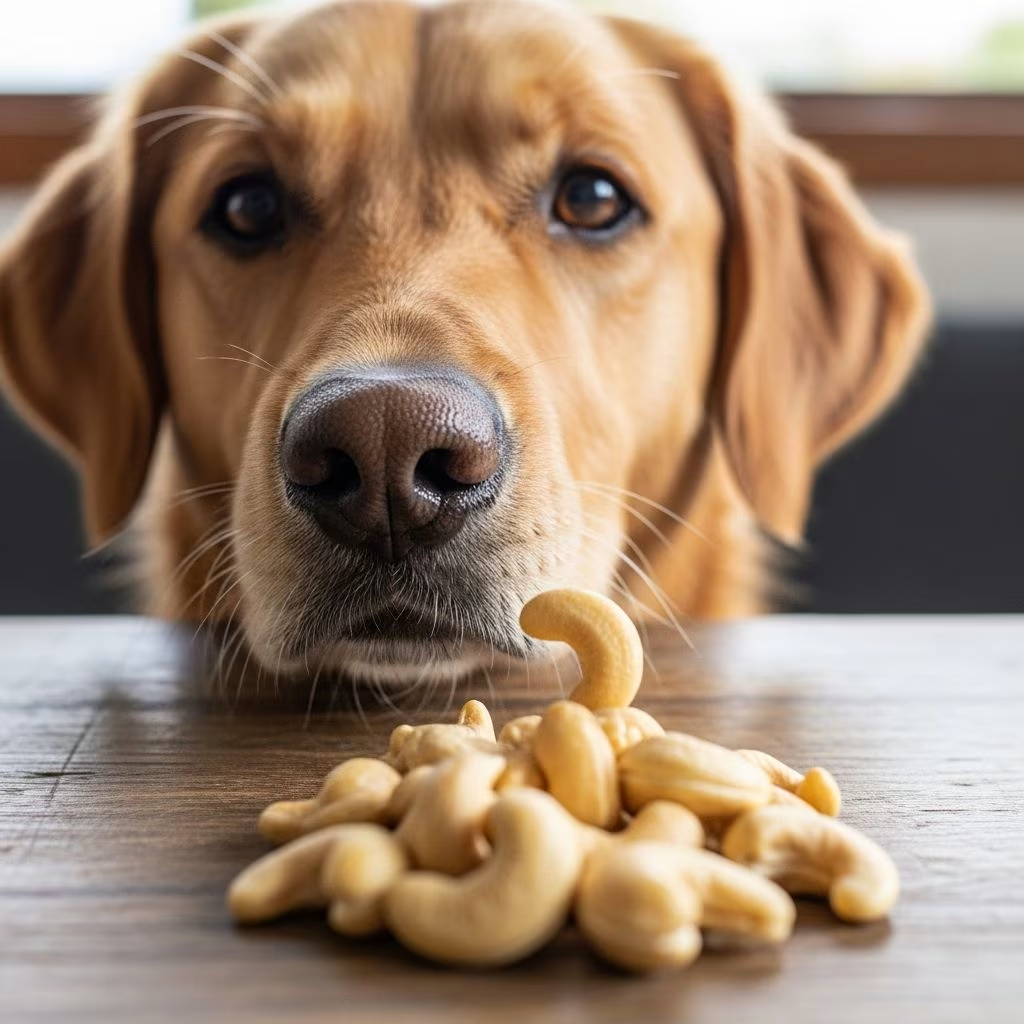
Cashews are not toxic to dogs and can be offered occasionally as a treat, but their high fat and calorie content means they should only be given in small amounts to prevent health problems like pancreatitis or weight gain.
Nutritional Profile of Cashews and Relevance to Canine Diets
Cashews provide proteins, healthy fats, fiber, and minerals such as magnesium and copper, which support muscle function and energy metabolism in humans. For dogs, however, these nutrients do not align perfectly with their dietary needs. Dogs thrive on balanced commercial kibble formulated for their species, where treats like cashews should comprise no more than 10% of daily caloric intake to avoid nutritional imbalances.
The high fat levels—around 12 grams per ounce—can overwhelm a dog’s digestive system if overconsumed. Unlike humans, dogs lack the same efficiency in processing excess fats, leading to potential gastrointestinal upset.
Key Health Risks Associated with Cashews for Dogs
While cashews pose no direct toxicity like macadamia nuts, several risks warrant caution.
- Pancreatitis: Excessive fat intake triggers inflammation of the pancreas, a serious condition causing vomiting, abdominal pain, and lethargy. Veterinary intervention is often required.
- Obesity: Calorie-dense cashews contribute to weight gain, increasing risks for diabetes, arthritis, and heart disease in dogs.
- Salt Toxicity: Commercial cashews are typically salted, and sodium overload can lead to tremors, seizures, or even death in severe cases.
- Choking and Blockages: Whole nuts present choking hazards, especially for small breeds, and may cause intestinal obstructions.
- Mixed Nut Dangers: Holiday mixes often include toxic macadamias, making them unsafe.
Understanding Allergic Reactions and Intolerances
Nut allergies in dogs are uncommon, with no reported cases of anaphylaxis despite human prevalence. Monitor for itching, hives, swelling, or digestive issues after initial feeding. Fat intolerance, rather than true allergy, more commonly causes vomiting or diarrhea.
Introduce cashews singly: offer one small piece and observe for 24-48 hours. Discontinue if any adverse signs appear and consult a veterinarian.
Safe Preparation Methods for Cashew Treats
To minimize risks, select plain, unsalted, raw or dry-roasted cashews without seasonings, chocolate, or xylitol.
- Chop or grind into powder for small dogs to prevent choking.
- Mix powdered cashews into meals as a topper.
- Create homemade cashew butter: blend plain cashews until smooth, avoiding additives.
Cashew butter is safer in controlled portions but verify no toxic ingredients like nutmeg or macadamias.
Dog Size-Based Feeding Guidelines
Portion sizes vary by weight to stay within safe caloric limits. The table below outlines recommendations based on veterinary insights.
| Dog Size | Weight Range | Max Cashews per Treat | Max Cashew Butter (per day) |
|---|---|---|---|
| Extra-Small | 2-20 lbs | 1-2 | ¼ tbsp (twice daily) |
| Small | 21-30 lbs | 2-3 | ½ tbsp (twice daily) |
| Medium | 31-50 lbs | 5-6 | ¾ tbsp (twice daily) |
| Large | 51-90 lbs | 10-12 | 1 tbsp (twice daily) |
| Extra-Large | 91+ lbs | 12-18 | 1½-2 tbsp (twice daily) |
These limits ensure treats do not exceed 10% of daily calories. Adjust for activity level and consult a vet for obese or health-compromised dogs.
Healthier Alternatives to Cashews for Dogs
Opt for dog-specific treats or low-fat human foods over nuts.
- Vegetables: Carrots, green beans, or cucumber slices provide crunch without fat.
- Fruits: Apple slices (no seeds) or blueberries offer antioxidants.
- Commercial Treats: Choose low-calorie, vet-formulated options.
- Peanuts: Shelled, unsalted peanuts in moderation as a nut alternative.
These substitutes deliver enjoyment and nutrition without cashew risks.
Expert Recommendations from Veterinary Organizations
The American Kennel Club advises against routine nut feeding due to fat concerns, prioritizing dog kibble. PetMD echoes this, emphasizing supervision and moderation. For personalized advice, especially with pre-existing conditions, veterinarians remain the best resource.
Frequently Asked Questions
Can dogs eat salted cashews?
No, salted cashews risk sodium toxicity. Always choose unsalted varieties.
Is cashew butter safe for dogs?
Plain cashew butter without xylitol or seasonings is safe in small amounts.
What if my dog eats a whole bag of cashews?
Contact a vet immediately; monitor for vomiting, diarrhea, or lethargy indicating pancreatitis.
Are raw cashews better than roasted for dogs?
Both are acceptable if plain, but raw avoids added oils in roasting.
Can puppies eat cashews?
Avoid in puppies under one year due to sensitive digestion; stick to puppy food.
Conclusion: Moderation is Key
Cashews offer no unique benefits justifying regular inclusion in a dog’s diet. Reserve them for rare treats, prioritizing safety through plain preparation and tiny portions. A vet consultation ensures tailored guidance for your pet’s needs.
References
- Can My Pets Eat Cashews? — Beyond the Nut. 2023. https://beyondthenut.com/can-my-pets-eat-cashews/
- Can Dogs Eat Cashews? — American Kennel Club. 2024-01-15. https://www.akc.org/expert-advice/nutrition/can-dogs-eat-cashews/
- Can Dogs Eat Cashews? — PetMD. 2024-05-20. https://www.petmd.com/dog/nutrition/can-dogs-eat-cashews
- Can Dogs Eat Nuts? — Nutrish. 2023-11-10. https://www.nutrish.com/blog/can-dogs-eat-nuts/



